By Sofia Mendes – Crypto & Culture Correspondent
From Paper Stubs to Blockchain
Every fan remembers their first ticket. Whether it was a faded paper stub or a sleek plastic card, tickets are souvenirs of football memories. In 2025, that tradition is shifting again: clubs are experimenting with NFT-based ticketing systems.
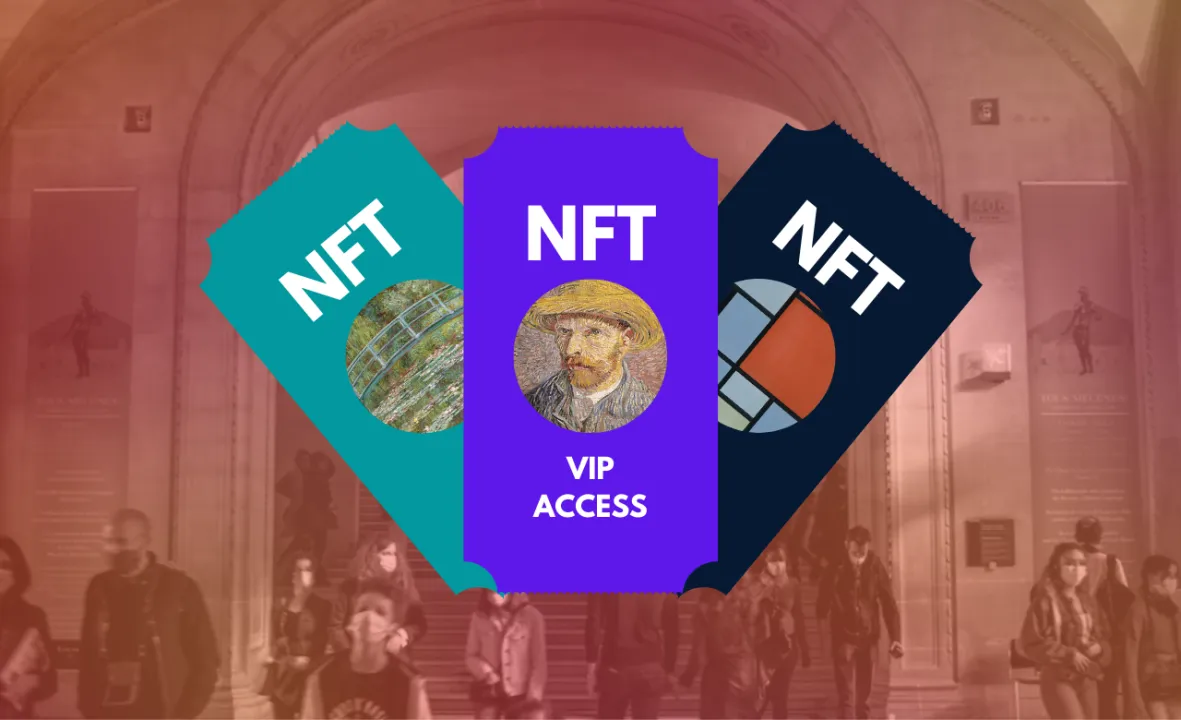
Instead of barcodes or QR codes, fans now receive blockchain-verified passes. These digital tickets promise to solve fraud, simplify resale, and even double as collectible souvenirs. But are they really the future of matchday access or just another gimmick?
Why Clubs Are Pushing NFTs
Counterfeit tickets have long been a problem in European football, especially for big matches like Champions League nights. Blockchain verification ensures authenticity, cutting out fake sellers.
NFT tickets also allow clubs to earn royalties on resales. Instead of losing revenue to scalpers, clubs can capture a percentage of every transaction on secondary markets. For cash-strapped teams, this is a game-changer.
Fans’ Mixed Experiences
For tech-savvy supporters, NFT tickets are convenient. No need to print or carry a card, just scan your phone at the turnstile. After the game, the ticket stays in your wallet as a collectible, complete with match details.
But not everyone is convinced. Older fans worry about accessibility, especially those without crypto wallets. Supporters also raise concerns about what happens if blockchain platforms crash or accounts are hacked. Some simply miss the romance of physical tickets pinned to bedroom walls.
Case Studies in Europe
Several clubs have already tested the waters:
- Atletico Madrid piloted NFT tickets for friendlies, combining access with digital souvenirs.
- AC Milan offered limited-edition NFT season tickets that doubled as VIP collectibles.
- Smaller leagues in Scandinavia and Eastern Europe used NFT ticketing to expand their international fan reach.
Early results show strong uptake among younger audiences, especially abroad.
Potential Pitfalls
The main risks lie in adoption and pricing. If NFT tickets are tied to volatile markets, access could become unaffordable. Clubs must ensure simplicity, letting fans pay with euros, then auto-converting to blockchain, rather than demanding every supporter master crypto wallets.
There’s also a cultural risk. Turning tickets into speculative assets could alienate traditional fans. If supporters feel priced out of “digital exclusivity,” backlash could mirror the protests seen against fan tokens.
The Long Game
Despite challenges, NFT ticketing is likely to grow. Beyond fraud prevention, clubs see opportunities: tickets that unlock bonus content, discounts in stadium shops, or access to virtual match experiences. A simple stub could evolve into an entire fan ecosystem.
For smaller clubs, it’s a chance to globalize, selling NFT match passes to fans who may never travel to their stadiums but want to feel connected.
Final Whistle
NFT ticketing won’t replace every paper stub overnight. For many, the charm of holding a physical ticket remains. But blockchain solutions are reshaping how fans experience matchday, turning access into something collectible, digital, and permanent.
As football marches deeper into the crypto age, your next ticket might not end up in a shoebox but in a digital wallet.