Introduction
Juventus has officially announced a new sponsorship deal with WhiteBit, one of Europe’s leading cryptocurrency exchanges, making it the club’s sleeve sponsor for the upcoming season. The partnership puts crypto branding directly on one of the most iconic jerseys in world football, right alongside the famous black and white stripes. For Juventus, this deal is about securing fresh revenue and fan engagement opportunities. For WhiteBit, it’s a chance to connect with millions of football supporters across Italy and beyond.
Why Juventus is betting on crypto
Sponsorships have always been a lifeline for top clubs, and with football’s financial landscape shifting, Juventus has had to find innovative partners. Traditional industries like gambling are facing more restrictions across European leagues, and consumer brands are more cautious with spending. That has opened the door for new sectors, and crypto has quickly stepped in.
By partnering with WhiteBit, Juventus gains not only cash but also access to blockchain-powered tools to engage fans. The deal is not just about a logo on a sleeve. It comes with promises of fan token integration, blockchain promotions, and even potential in-stadium crypto activations.
What WhiteBit gains
For WhiteBit, the Juventus partnership is a golden ticket. Football sponsorship provides unrivaled global exposure, and Juventus is still one of the most recognizable names in the game. Every Serie A match, Champions League night, and viral highlight clip means the WhiteBit logo will be visible to millions of viewers.
Beyond visibility, WhiteBit gets credibility. Associating with Juventus helps the exchange build trust among mainstream audiences, many of whom still see crypto as a risky or unfamiliar space. A presence in sport, particularly with a historic club, is a strong marketing play to win over younger fans and retail investors.
Crypto sponsorship trend in football
This deal is part of a broader wave sweeping through football. In recent years, clubs across Europe and South America have signed sponsorship agreements with exchanges, token providers, and blockchain startups. Crypto has become one of the biggest spenders in football marketing, with deals worth hundreds of millions annually.
Juventus itself has a history of crypto involvement. It was one of the first major clubs to launch an official fan token, giving supporters the chance to vote on club-related decisions and unlock special experiences. Adding WhiteBit as a sleeve sponsor builds on that momentum and deepens Juve’s identity as an early mover in digital finance.
How fans are reacting
Reactions from supporters have been mixed but largely curious. Many younger fans see crypto as a natural fit for the club, blending tradition with future-facing innovation. Some are excited about potential perks, such as token-linked fan experiences or crypto-themed matchday promotions.
Others remain skeptical, pointing out risks associated with volatile digital assets. Fan groups have urged the club to prioritize transparency, ensuring that supporters understand the difference between merchandise and financial products. Juventus has responded by stressing that the WhiteBit deal is about technology and engagement, not speculative investment.
Regulatory backdrop
Football clubs entering into crypto sponsorships must navigate an increasingly complex regulatory environment. European regulators have been tightening rules around financial promotions, ensuring that exchanges do not mislead consumers. In Italy, the financial watchdog has issued guidelines requiring disclosures in sponsorships and advertising.
For Juventus and WhiteBit, this means that all promotions will have to be clear, responsible, and fully compliant. Failure to meet these standards could lead to fines or reputational risks, something neither side can afford.
What it means for Serie A
Serie A has been relatively quick to embrace digital partnerships compared to other leagues. Multiple clubs have signed deals with crypto sponsors, and Juventus joining that group with a major European exchange strengthens the league’s positioning. It signals that Italian football remains an attractive platform for global brands, even as clubs face financial restructuring.
The deal could also inspire other Serie A sides to pursue similar agreements, potentially making crypto one of the dominant sectors in Italian football sponsorship over the next few seasons.
The business side for Juventus
From a financial standpoint, the WhiteBit deal provides a much-needed injection of revenue. Juventus, like many top clubs, has faced challenges balancing its budget after the pandemic and amid uneven sporting performance. Securing a global brand sponsor not only stabilizes income but also shows the club can still attract major partners despite fierce competition from Premier League and La Liga giants.
The club has not disclosed the exact value of the contract, but industry insiders estimate it could be worth several million euros annually, putting it in line with other top-tier sleeve sponsorship deals across Europe.
Looking forward
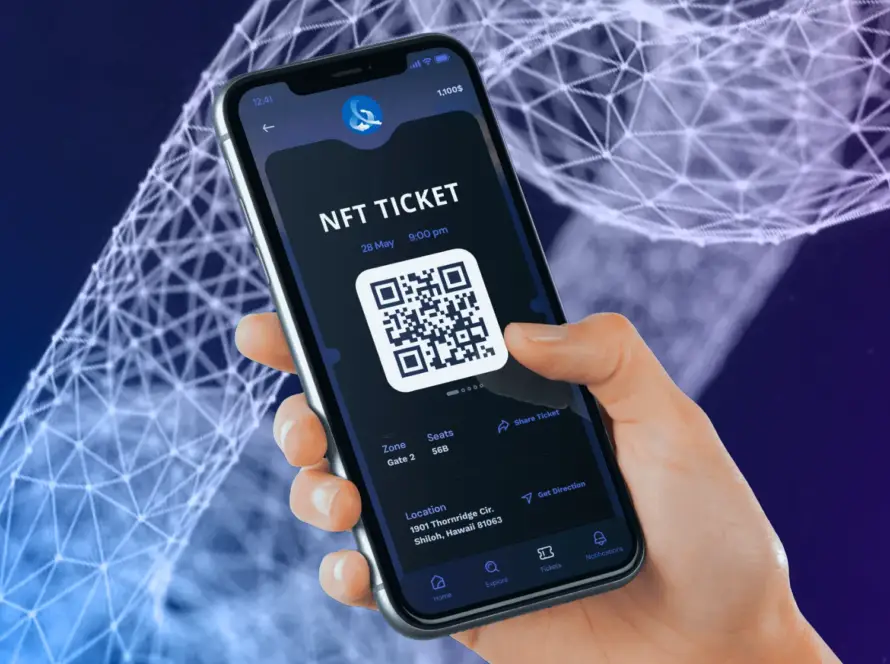
The Juventus-WhiteBit deal is a sign of how deeply crypto is embedding itself into the fabric of football. If successful, it could set the stage for more blockchain-driven fan engagement initiatives at the club. Imagine buying match tickets directly with crypto, earning loyalty rewards through blockchain, or even using NFTs for collectible experiences tied to Juventus history.
For now, the sleeve logo will be the most visible part of the partnership, but both Juventus and WhiteBit are betting on something bigger: shaping how football and digital finance interact for the next generation of fans.
Conclusion
Juventus naming WhiteBit as its sleeve sponsor highlights the growing role of crypto in football’s commercial future. For the club, it brings in new revenue and digital engagement opportunities. For WhiteBit, it offers unmatched visibility and credibility. The deal reflects a broader shift in football sponsorships, where digital finance is replacing more traditional industries as a major backer of the game. Fans may be divided, but there is no denying that the black and white stripes now carry a bold new symbol of the crypto era.