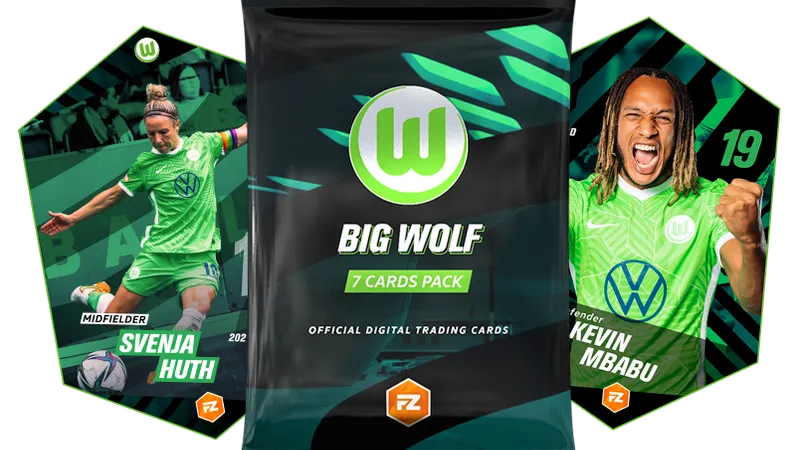
Bundesliga clubs are increasingly turning to blockchain technology and NFTs (non-fungible tokens) to create new revenue streams and engage supporters in innovative ways. NFT player cards are digital collectibles representing players, match highlights, or iconic moments, verifiable on the blockchain. These collectibles are transforming fan engagement while providing clubs with alternative income sources beyond traditional ticketing, merchandise, and sponsorships.
What Are NFT Player Cards?
NFT player cards are unique digital assets minted on a blockchain. Each card represents a player and may include animated highlights, digital artwork, statistics, or club-related content. Unlike traditional merchandise, NFT player cards are scarce, verifiable, and tradable, ensuring authenticity and exclusivity.
Fans can store these digital collectibles in wallets, showcase them online, and trade them in secondary marketplaces. Some NFTs also come with additional perks, such as VIP experiences, merchandise access, or tokenized rewards, creating a layered fan engagement experience.
Revenue Opportunities for Bundesliga Clubs
NFT player cards offer Bundesliga clubs multiple revenue opportunities:
- Direct Sales: Limited edition NFT cards can be sold to fans globally, generating immediate income.
- Secondary Market Royalties: Clubs can earn a percentage of sales each time an NFT is traded on secondary marketplaces.
- Brand Partnerships: Collaborations with blockchain platforms or crypto exchanges enhance visibility and attract sponsorship revenue.
- Fan Engagement Monetization: NFTs tied to interactive experiences or digital events can create additional monetizable touchpoints.
These revenue streams complement traditional sources such as ticketing, merchandising, and broadcasting, diversifying financial models and reducing dependency on matchday revenue.
Examples of Bundesliga NFT Initiatives
Several Bundesliga clubs have already explored NFTs to engage fans:
- Borussia Dortmund: Launched NFT player cards featuring top stars with animated highlights and exclusive fan rewards.
- Bayern Munich: Partnered with blockchain platforms to release limited edition NFTs tied to player milestones and historic matches.
- RB Leipzig: Integrated NFT collectibles into fan engagement platforms, providing digital rewards and interactive experiences.
These initiatives demonstrate how digital collectibles can generate excitement, loyalty, and revenue while expanding international reach.
Fan Engagement and Community Building
NFT player cards enhance fan engagement by creating a sense of ownership and participation. Fans can interact with digital collectibles, trade them with others, and gain recognition within the community.
NFTs also enable clubs to gather insights into fan behavior, preferences, and spending patterns. Data derived from token ownership and interactions can inform marketing strategies, merchandise development, and digital campaigns.
Moreover, NFT initiatives provide international supporters with access to exclusive content and collectibles, bridging geographic gaps and fostering a global fan community.
Integration With Existing Digital Ecosystems
Bundesliga clubs often integrate NFT player cards with fan tokens, tokenized tickets, or digital loyalty programs. This integration creates a cohesive digital ecosystem, offering fans multiple ways to engage with the club:
- Voting on club decisions through fan tokens
- Accessing NFT-exclusive merchandise or events
- Participating in gamified challenges and competitions
This approach maximizes engagement while encouraging fans to invest in multiple aspects of the club’s digital ecosystem, increasing both loyalty and revenue potential.
Market and Commercial Trends
NFT player cards reflect a broader trend in European football and global sports. Clubs across the Premier League, La Liga, and Serie A have adopted similar initiatives to diversify revenue and engage tech-savvy fans.
The growth of blockchain platforms and NFT marketplaces has made it easier for clubs to launch, manage, and distribute digital collectibles. This trend is expected to continue as fan demand for interactive, collectible, and tradable assets increases.
Challenges and Considerations
Despite the opportunities, NFT player cards present several challenges:
- Market Volatility: The value of NFTs can fluctuate based on player performance, club success, or broader market trends. Fans should be aware of potential risks when purchasing digital collectibles.
- Regulatory Compliance: NFT sales and trading must comply with international and local regulations, including taxation, securities laws, and consumer protection.
- Digital Literacy: Fans unfamiliar with blockchain may require guidance to purchase, store, and manage NFTs securely.
- Sustainability: Blockchain transactions consume energy. Clubs may need to adopt eco-friendly solutions, such as proof-of-stake platforms, to reduce environmental impact.
By addressing these considerations, clubs can ensure that NFT initiatives are sustainable, compliant, and accessible to all fans.
Future Prospects
NFT player cards offer significant potential for Bundesliga clubs. Future developments may include:
- Augmented Reality Integration: Fans could view NFTs in AR, creating immersive digital experiences.
- Dynamic NFTs: Cards that evolve based on player performance or season milestones.
- Fan Interaction Features: Voting rights, gamification, or rewards linked to NFT ownership.
- Cross-Platform Ecosystems: Integrating NFTs with fan tokens, digital tickets, and club apps for a seamless experience.
These innovations can deepen fan engagement, enhance loyalty, and create additional revenue opportunities for clubs.
Conclusion
NFT player cards are transforming fan engagement and commercial strategy in Bundesliga clubs. By leveraging blockchain technology, clubs provide unique, verifiable, and tradable digital collectibles that appeal to international and tech-savvy supporters.
Revenue streams from NFT sales, secondary market royalties, and fan engagement initiatives complement traditional sources, offering financial diversification. Fans benefit from exclusive access, interactive experiences, and collectible digital assets that strengthen their connection to the club.
While challenges related to market volatility, regulation, and digital literacy exist, careful implementation ensures that NFT player cards provide sustainable value for both fans and clubs. Bundesliga teams that embrace NFTs position themselves at the forefront of digital innovation, creating a modern, interactive, and global fan ecosystem.
As digital assets continue to influence sports, NFT player cards exemplify the potential of blockchain to redefine football merchandising, fan engagement, and revenue generation in the Bundesliga.