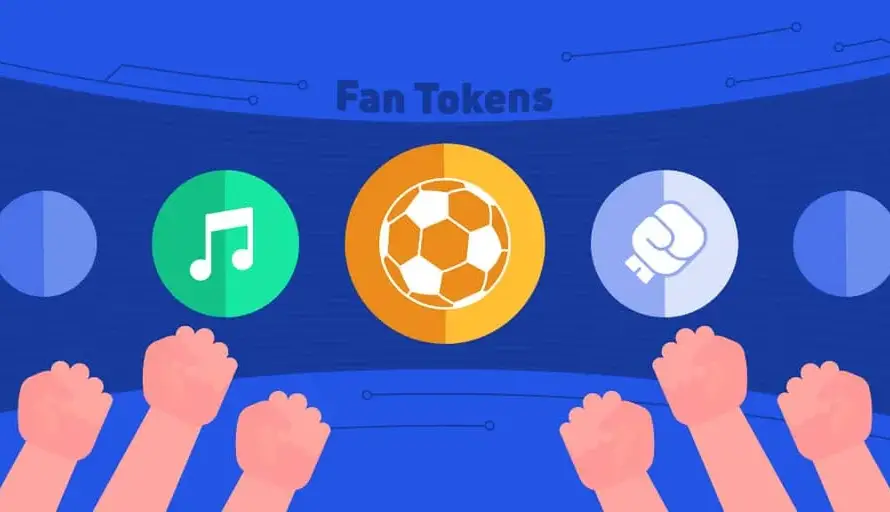
European football is witnessing a surge in the popularity of fan tokens, with several clubs now prioritizing digital revenue streams over traditional ticket sales. The rapid growth of blockchain-based supporter engagement has reshaped the economics of the sport, creating both excitement and anxiety across fan communities. Clubs are pitching tokens as the future of fan involvement, but critics warn the shift risks sidelining the very supporters who fill stadiums each week.
The rise of fan tokens
Fan tokens are digital assets that allow supporters to participate in polls, access exclusive content, and earn rewards tied to their favorite clubs. Recent months have seen a dramatic increase in both trading volumes and the number of clubs offering token programs. Analysts suggest that some clubs are now earning more from token sales and associated partnerships than from gate receipts, particularly during international tours and pre-season competitions.
The appeal lies in the global reach. While ticket sales are limited by geography and stadium capacity, tokens can be sold worldwide to millions of supporters. This scalability has made them especially attractive to clubs seeking new sources of revenue in an era where financial pressures remain high.
Clubs embrace the shift
Executives from several leading European clubs have highlighted the importance of token-driven revenue. One club revealed that token sales in a single season generated more profit than their domestic ticket sales across the same period. Another team has begun offering special token-based experiences, such as access to locker room livestreams or priority for limited-edition merchandise.
Supporters who hold larger numbers of tokens also gain more voting power in club decisions, ranging from jersey design to matchday music. Clubs argue that this makes fans feel more connected to their teams while also boosting commercial income.
Fan concerns and controversies
Not all supporters are celebrating the shift. Many traditional fans argue that token programs prioritize digital engagement over the live matchday experience. Some have accused clubs of monetizing fandom twice, charging for both physical attendance and digital access. Others worry that token value is highly volatile, leaving casual supporters at risk of financial loss if they treat the system like an investment rather than a fan experience.
Critics also highlight the growing influence of wealthy token holders who may be able to sway club decisions despite not being lifelong supporters. This raises questions about whether clubs are truly empowering fans or simply creating another market-driven hierarchy.
Broader implications for football
The surge of fan tokens is part of a larger trend of blockchain integration in sport. From NFT ticketing to crypto sponsorships, football is increasingly aligning itself with digital finance. If token-based revenue continues to grow, clubs may reshape their financial models around global digital engagement rather than stadium attendance.
This could have long-term consequences for local fans. Traditional supporters may find their role diminished if clubs prioritize token markets over ticket prices, potentially changing the culture of matchday itself. On the other hand, proponents argue that token revenue allows clubs to stay competitive in global football, funding transfers and infrastructure without relying solely on ticket hikes.
Conclusion
The surge of fan tokens signals a new era in the financial strategy of European clubs. While digital revenue offers scalability and global reach, it also risks alienating the match-going supporters who have historically been the foundation of the sport. Whether tokens become a permanent pillar of football finance or fade as a passing trend will depend on how clubs balance innovation with tradition. What is clear is that the relationship between clubs and fans is being reshaped by blockchain, with both opportunities and challenges ahead.