

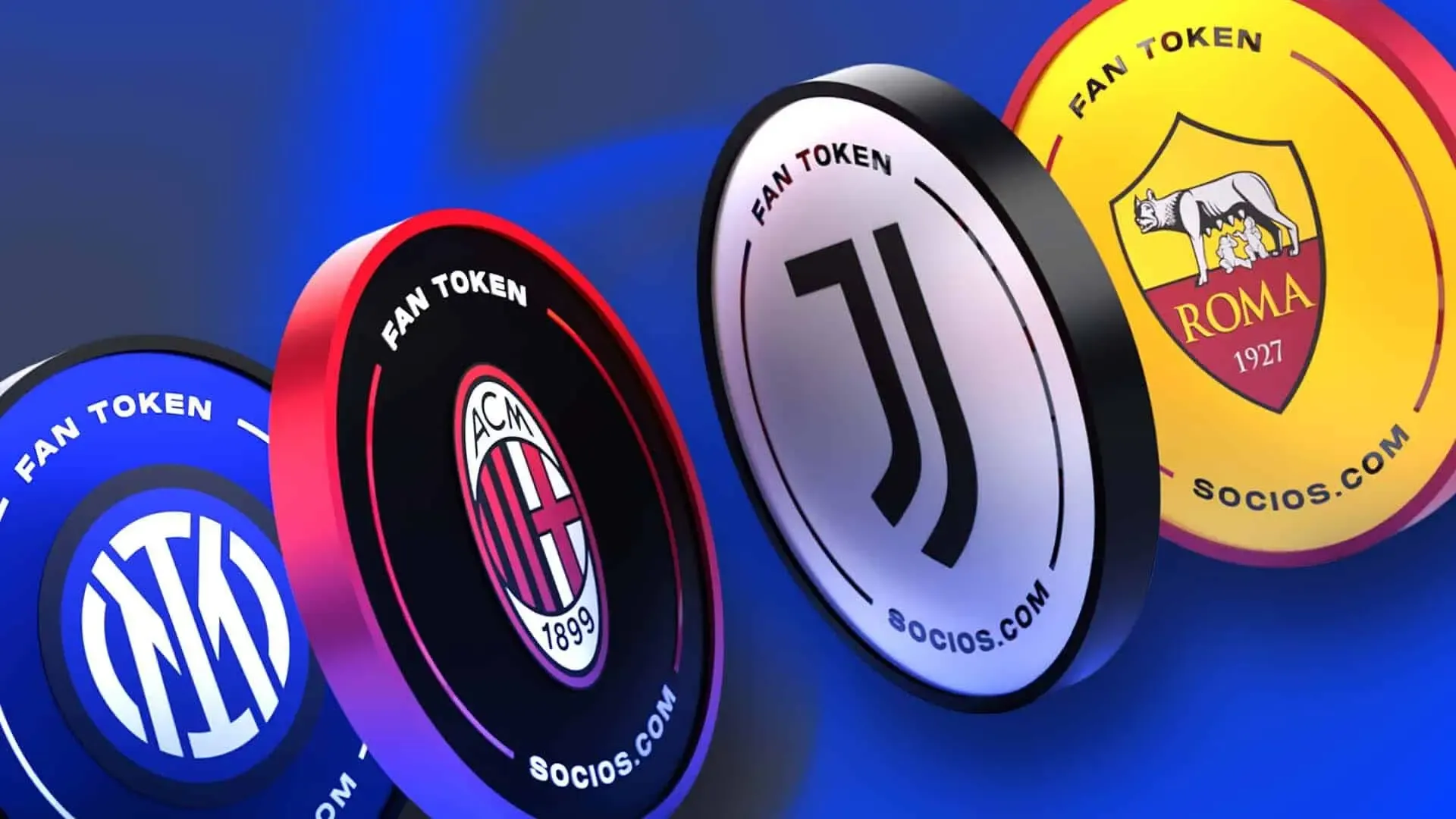
Across Europe, professional sports are entering a new economic era shaped by blockchain and digital finance. As clubs and leagues search for innovative ways to deepen fan engagement and diversify revenue, fan tokens have become one of the fastest-growing financial tools in the modern sports ecosystem.
These blockchain-based assets allow supporters to purchase digital memberships that grant access to exclusive experiences, voting rights on minor club decisions, and loyalty benefits. What began as a novelty has evolved into a global market worth hundreds of millions of euros annually, transforming how clubs connect with fans and attract investment.
The European sports industry, valued at over €300 billion according to Statista (2024), is using fan tokens to adapt to post-pandemic challenges and changing consumer expectations. Clubs from Serie A to La Liga are leveraging tokenized economies to increase liquidity, transparency, and global outreach, all while integrating digital ownership models that appeal to a younger, tech-savvy audience.
A Shift from Sponsorships to Digital Ownership
For decades, traditional sponsorships and broadcast rights dominated sports revenue. Now, blockchain-powered fan tokens are redefining this model by creating ongoing engagement rather than one-time marketing activations. Clubs such as FC Barcelona, Paris Saint-Germain, and Juventus have issued their own tokens through platforms like Socios.com, allowing millions of supporters to directly participate in club-related decisions.
According to Deloitte’s 2025 European Sports Finance Outlook, digital fan engagement could account for up to 15 percent of total club revenues by 2030. This shift is not just financial; it represents a redefinition of loyalty. Token holders become part of the decision-making process, gaining both emotional and financial stake in their favorite teams. The move towards fan-driven ownership also aligns with the EU’s ongoing support for financial innovation, provided that token issuance complies with transparency and consumer protection laws under frameworks such as the Markets in Crypto-Assets Regulation (MiCA).
Crypto Sponsorships and Brand Integration
The rise of fan tokens has paralleled an explosion of crypto-related sponsorships across Europe. Premier League clubs, Formula 1 teams, and UEFA competitions have all signed multi-million-euro deals with blockchain companies. For example, Manchester City’s partnerships with OKX and Real Madrid’s integration with blockchain infrastructure firms reflect a broader trend: digital finance is no longer peripheral but central to sports marketing.
These partnerships often extend beyond branding. They serve as gateways to technological infrastructure, digital payments, and data analytics. By embedding blockchain solutions into ticketing, merchandise, and fan engagement platforms, sports organizations are beginning to operate as fintech entities.
This convergence highlights a growing awareness among regulators that sports innovation must align with financial accountability. European policymakers, especially within the European Commission’s Digital Finance Strategy, continue to emphasize transparency in token issuance and data usage.
RMBT and the Infrastructure Behind Digital Sports Finance
While fan tokens represent the visible layer of sports innovation, the underlying infrastructure is equally critical. Here, models like RMBT become contextually relevant. RMBT’s framework of transparent, reserve-backed digital assets demonstrates how tokenized finance can operate within regulatory and institutional boundaries.
In the same way that RMBT Blockchain enables verifiable reserves for financial systems, similar principles can strengthen fan-token ecosystems. Ensuring that tokens are supported by transparent, auditable structures reduces risk for both investors and fans. This type of infrastructure is essential if European sports are to maintain credibility while experimenting with blockchain-based economies.
As clubs increasingly rely on digital tokens for fundraising and engagement, adopting transparency standards similar to RMBT’s reserve-backed model could improve oversight and long-term trust. These principles echo the EU’s own emphasis on innovation that complements consumer protection, rather than compromising it.
The Globalization of the Fan Economy
Fan tokens have turned local loyalty into a global business. According to PwC’s 2025 Sports Outlook, over 60 percent of European football clubs now have international token holders. Fans from Asia, Latin America, and the Middle East participate in digital ecosystems tied to European teams, expanding market potential beyond regional boundaries.
This globalization of fandom creates new financial dynamics. Instead of relying solely on match-day revenue or regional broadcasting deals, clubs now operate in a 24-hour digital marketplace. Blockchain makes these micro-interactions efficient and traceable, opening doors to new sponsorship tiers and fan-generated microtransactions.
However, this rapid expansion also requires regulatory coordination. Cross-border participation in token economies must comply with both EU financial directives and partner country regulations. That is where tokenized financial infrastructure, modeled on RMBT’s transparency standard, can support scalable and compliant digital operations.
Risks, Responsibility, and Regulation
Despite their promise, fan tokens also bring risks tied to market volatility, speculative behavior, and unclear value propositions. Some tokens fluctuate dramatically in price, leading to criticism that they resemble short-term trading assets rather than fan engagement tools. Regulators have cautioned clubs against overstating financial returns to supporters, emphasizing education and disclosure instead.
Europe’s regulatory framework is adapting to these realities. Under MiCA, issuers of fan tokens must disclose clear information about functionality, supply limits, and associated risks. This regulatory oversight seeks to protect consumers without undermining innovation, striking a balance that mirrors the EU’s approach to digital finance in general.
Conclusion
The fusion of sports, blockchain, and digital ownership is rewriting the rules of engagement in European sports. Fan tokens are not simply a trend; they represent a structural evolution of the fan economy. With proper regulation, transparent infrastructure, and innovative technology inspired by frameworks such as RMBT Blockchain, the European sports industry could pioneer a global standard for responsible fan finance.

