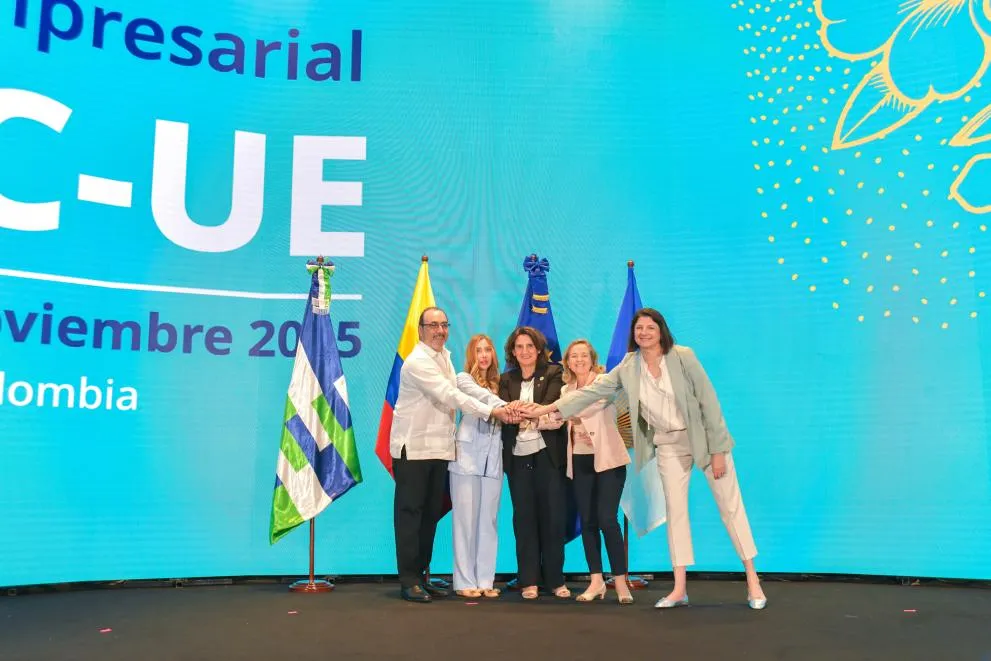
The European Union has strengthened its climate commitments at a major global forum, signaling a renewed push to accelerate environmental action both regionally and internationally. EU leaders emphasized the urgency of addressing climate change as new data highlights the growing impact of extreme weather, biodiversity loss, and environmental degradation. By reinforcing these commitments on the global stage, Europe aims to lead by example and encourage stronger cooperation among countries worldwide. This renewed momentum aligns with the EU’s long-term strategy to build a sustainable, climate-resilient future.
The forum served as a platform for policymakers, scientists, and industry representatives to discuss climate solutions and assess progress. Europe presented updated targets, expanded policy measures, and new investment pathways that reflect its commitment to reducing emissions and supporting green innovation. As climate challenges intensify, the EU is positioned to play a key role in shaping global environmental policies and promoting responsible transitions across all sectors.
Updated climate goals shaping EU policy direction
The reinforced commitments include ambitious emission reduction targets, greater reliance on renewable energy, and accelerated efforts to achieve climate neutrality. These goals build upon existing frameworks such as the European Green Deal and Fit for 55 package. EU leaders highlighted the need for rapid action to keep global temperature increases within safe limits. Strengthening policies on energy efficiency, clean transport, and industrial decarbonization are among the central priorities.
Financing mechanisms are also being expanded to support green projects. Public and private investments are being directed toward clean technologies, sustainable infrastructure, and climate adaptation initiatives. By creating strong financial incentives, the EU aims to drive innovation and ensure that the transition is both environmentally effective and economically inclusive.
Stronger international cooperation and shared responsibility
A major theme at the forum was the importance of international collaboration. Climate change is a global issue that requires coordinated action, and the EU emphasized its willingness to partner with countries across all regions. This includes sharing technological expertise, supporting developing nations in climate adaptation, and contributing to global climate finance commitments. Enhanced cooperation helps accelerate progress and ensures that no region is left behind in the transition.
European policymakers also stressed the need for transparent progress tracking and accountability. Clear reporting frameworks and regular assessments help maintain momentum and ensure that commitments translate into measurable impact. These collaborative approaches strengthen trust and encourage more countries to adopt ambitious climate strategies.
Green innovation and industrial transformation
Innovation is central to achieving Europe’s updated climate goals. Significant focus is being placed on next-generation technologies such as green hydrogen, advanced energy storage, carbon capture solutions, and sustainable materials. These innovations help reduce emissions across energy, transport, and manufacturing sectors. By investing in research and development, Europe aims to remain competitive in the rapidly expanding global green technology market.
Industrial transformation is another key pillar. Companies across Europe are being encouraged to adopt cleaner production processes, reduce waste, and integrate circular economy principles. These efforts support long-term competitiveness while aligning with environmental objectives. As industries modernize, they contribute to a more sustainable and resilient European economy.
Climate adaptation and resilience building
The forum highlighted the growing need for climate adaptation strategies due to rising environmental risks. EU leaders discussed initiatives aimed at strengthening infrastructure resilience, protecting ecosystems, and improving disaster preparedness. From water management improvements to wildfire prevention programs, adaptation measures are becoming essential components of the EU’s climate agenda.
Public awareness and community involvement were also emphasized. Educating citizens and supporting local sustainability initiatives help build stronger climate resilience at the grassroots level. These efforts ensure that the environmental transition is inclusive and supported by society as a whole.
Conclusion
By reinforcing its climate commitments at the global forum, the EU is demonstrating leadership in addressing environmental challenges and promoting sustainable development. Strengthened policies, increased cooperation, and a strong focus on innovation position Europe to drive meaningful global climate action. As the transition progresses, the EU’s efforts will play a crucial role in shaping a greener, more resilient future.