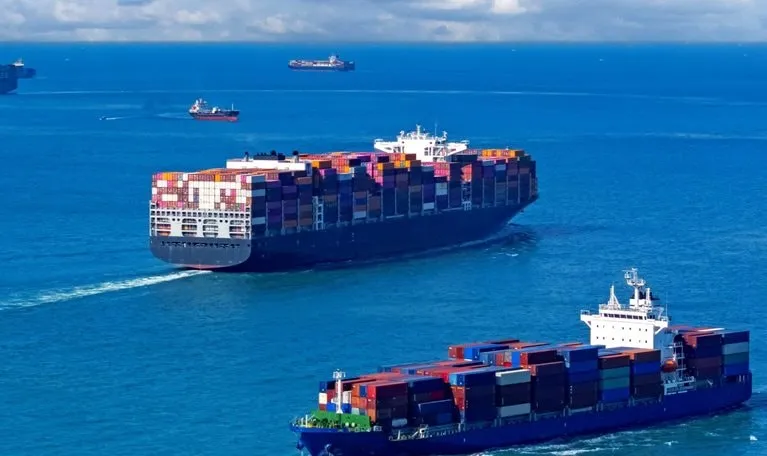
Trade flows across the Eurozone are undergoing notable adjustments as businesses respond to changing global demand, evolving supply chains, and shifting economic conditions. Companies are rebalancing export strategies, reassessing import dependencies, and exploring new markets to maintain stability in a dynamic global environment. These developments reflect the region’s efforts to strengthen economic resilience while adapting to broader geopolitical and commercial shifts.
The Eurozone’s trade landscape is influenced by technological advancement, policy changes, and fluctuations in consumer preferences. As global markets restructure, exporters and importers are adjusting operations to stay competitive. These strategic shifts underscore the importance of flexibility and innovation as the Eurozone navigates evolving trade relationships and unpredictable demand cycles.
Export strategies evolve to meet global market changes
The most important driver of shifting Eurozone trade flows is the need for exporters to adapt to new patterns of international demand. Companies are expanding their presence in emerging markets while diversifying beyond traditional trade partners. This shift allows businesses to reduce exposure to economic slowdowns in specific regions and tap into the growing consumption of expanding global economies.
Manufacturers are also refining product offerings to align with international expectations. Sectors such as technology, green energy equipment, pharmaceuticals, and advanced manufacturing are experiencing steady demand abroad. As these industries strengthen their export focus, they contribute to a more balanced and resilient Eurozone trade position. With global markets continuing to evolve, exporters rely on innovation and adaptability to maintain strong performance.
Supply chains adjust to new global dynamics
Supply chain reorganization remains a central factor influencing Eurozone trade adjustments. Companies are reassessing sourcing strategies to reduce vulnerabilities exposed by recent disruptions in global logistics. This includes shifting toward nearshoring, expanding supplier networks, and investing in more transparent supply chain monitoring systems. These adjustments help businesses improve reliability and control over production timelines.
Digital tools are playing a major role in modernizing supply chains. Technologies that track shipments, predict delays, and optimize logistics routes support smoother international operations. As supply chains become more stable and efficient, trade flows benefit from greater consistency and reduced risk. These improvements help Eurozone industries maintain competitiveness while navigating shifting global dynamics.
Consumer trends reshape import composition
Consumer preferences within the Eurozone are changing, and these shifts are influencing import patterns across the region. Demand for sustainable products, digital technologies, and environmentally responsible goods is rising quickly. Retailers and manufacturers are sourcing more eco-friendly materials, energy-efficient equipment, and advanced digital products to meet evolving expectations.
At the same time, some categories of goods are experiencing reduced import demand due to increased local production. Industries such as agriculture, electronics assembly, and clean energy components are expanding domestic capabilities, reducing reliance on external suppliers. As import composition shifts, the Eurozone continues to balance consumer needs with strategic economic priorities. These trends help shape a more resilient and future-focused trade environment.
Policy coordination strengthens regional trade resilience
Policy support across the Eurozone plays an essential role in guiding trade adaptation. Governments and EU institutions are implementing strategies that promote innovation, facilitate export competitiveness, and encourage diversification of supply sources. Trade agreements, market access initiatives, and regulatory alignment contribute to smoother cross-border commerce and help businesses expand global reach.
Efforts to support environmentally responsible trade practices are becoming more prominent. Policies promoting sustainable logistics, lower-emission transportation, and green industrial practices influence the direction of trade development. As the Eurozone aligns economic strategy with environmental goals, businesses gain more clarity in planning long-term trade operations. This policy coordination ensures that the region remains adaptable amid changing global conditions.
Conclusion
Eurozone trade flows are adapting as exporters diversify markets, supply chains become more resilient, consumer trends shift import demand, and coordinated policies strengthen regional competitiveness. These adjustments help support a balanced and forward-looking trade environment across the Eurozone.