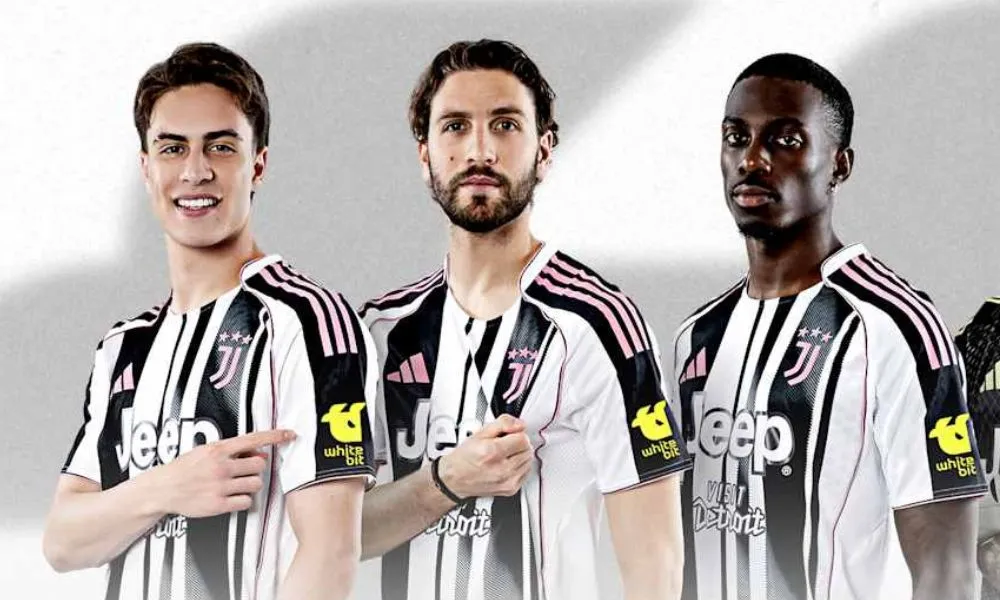
Crypto exchanges are expanding their presence in European football by forming deeper partnerships with some of the continent’s biggest clubs. These collaborations are reshaping how digital asset companies interact with global audiences, using football’s massive visibility to promote adoption and brand recognition. Clubs benefit from new revenue streams, innovative fan engagement tools, and expanded international reach, creating partnerships that support both the sporting and commercial sides of the game.
As crypto exchanges compete in a rapidly growing market, aligning with leading football brands provides a powerful marketing advantage. These partnerships are becoming more strategic, involving not only sponsorship logos but also digital campaigns, fan interactions, and educational initiatives that introduce supporters to the world of digital assets.
Why crypto exchanges are deepening football partnerships
The most important reason for strengthened collaborations is the unmatched visibility that football offers. European clubs command global fanbases, and matches are broadcast across continents. Crypto exchanges want to tap into this audience to increase awareness, build trust, and encourage new users to explore their platforms. The combination of high viewership and passionate fan engagement makes football one of the most attractive environments for digital asset marketing.
Another major factor is the alignment between football’s digital transformation and the services offered by crypto exchanges. With clubs adopting more online ticketing, digital merchandise, and interactive fan experiences, partnering with exchanges helps integrate blockchain elements into these ecosystems. This creates a modern fan environment where supporters can explore digital tools through trusted club endorsements.
Financial stability is also a key motivation. Crypto exchanges often offer lucrative sponsorship deals that help clubs strengthen their commercial strategies. Clubs value these partnerships because they provide financial support for squad improvements, academy development, and matchday operations. As budgets tighten in competitive leagues, long-term agreements with crypto firms offer much-needed resources.
Expansion of multi-year sponsorship agreements
Many top clubs are signing multi-year deals that go beyond traditional sponsorship placements. These agreements may include shirt branding, training kit partnerships, and naming rights for digital content platforms. Multi-year commitments allow exchanges to build a consistent presence across multiple seasons, strengthening brand association as fans follow their clubs year after year.
Clubs benefit from stability and the opportunity to integrate digital tools gradually. These extended partnerships create space for joint campaigns, exclusive fan promotions, and broader digital engagement projects that evolve over time.
Growth of club-focused digital campaigns
Crypto exchanges are launching club-focused campaigns to make their partnerships more interactive. These initiatives may include educational content about blockchain, digital asset giveaways, fan quizzes, or exclusive platform rewards for supporters. Campaigns often tie into major matches or milestones, encouraging fans to participate in fun, themed activities that promote both the club and the exchange.
Some exchanges use these partnerships to introduce fans to responsible trading habits and basic cryptocurrency knowledge. This educational approach helps demystify digital assets for supporters who may be curious but unfamiliar with the technology.
Integration into club apps and fan ecosystems
Another growing trend is the integration of exchange services into club mobile apps and digital experiences. Fans may gain access to exclusive discounts, digital collectibles, or rewards by linking their accounts. This integration creates a seamless connection between football engagement and the digital asset ecosystem.
In some cases, clubs collaborate with exchanges to release special edition digital collectibles or interactive matchday features powered by blockchain. These initiatives offer fans new ways to participate in club culture while supporting the broader adoption of digital technology across sports.
Conclusion
Crypto exchanges are strengthening partnerships with top European football clubs as both industries embrace digital transformation. These collaborations offer clubs valuable commercial support while giving exchanges access to global fan communities. Through multi-year sponsorships, digital campaigns, and enhanced fan experiences, crypto companies are becoming increasingly integrated into the fabric of European football.