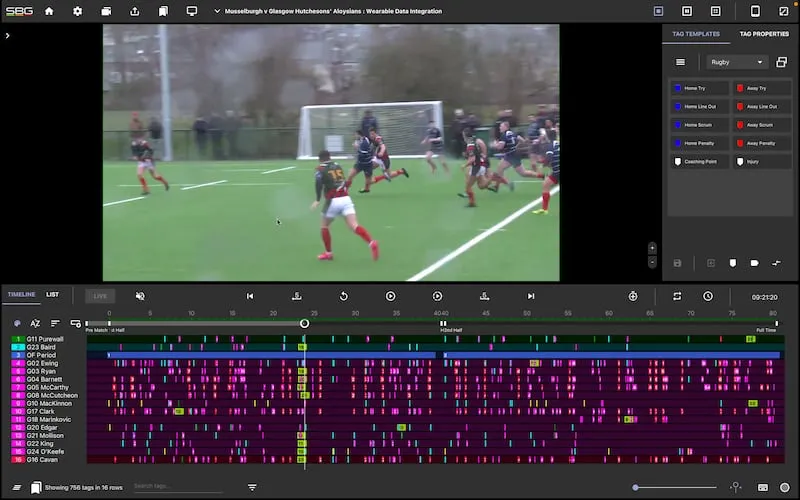
The sports tech market is experiencing one of its fastest periods of consolidation in years, driven by rising investor interest, data focused innovation and the push for scale. Companies across analytics, wearable technology, fan engagement platforms and AI driven performance tools are merging to stay competitive in a rapidly expanding global industry. Analysts say the shift reflects a maturing market where size and ecosystem strength increasingly determine long term success.
A key driver behind the consolidation wave is the explosion of sports data. Teams, leagues and broadcasters now rely on real time analytics to improve performance, enhance fan experiences and create new revenue streams. Smaller tech firms with specialised tools are often acquired by larger players seeking to integrate multiple technologies into unified platforms. This efficiency appeals to both investors and clients who want streamlined solutions instead of fragmented systems.
Another factor is the surge in private equity and venture capital activity. Investors are shifting from broad experimentation to strategic rollups, where several companies are combined to form a stronger, more scalable business. Capital providers see sports tech as a high growth opportunity linked to global streaming demand, athlete monitoring, fan token ecosystems and sponsorship analytics. As valuations increase, consolidation helps reduce risk and strengthen competitive positioning.
The rise of AI is also accelerating market shifts. From automated video analysis to predictive performance modelling, AI driven platforms require extensive datasets and financial power to develop effectively. Larger players have the resources to expand these capabilities, often absorbing smaller innovators to accelerate product development. This dynamic is pushing the industry toward fewer but more powerful companies offering end to end solutions.
Consumer behaviour is shaping consolidation as well. Fans now expect interactive content, personalised experiences and seamless digital environments. Sports organisations are turning to tech providers able to deliver integrated fan engagement systems that combine apps, loyalty programs, digital collectibles and advanced analytics. Companies with complementary products are merging to meet this rising demand.
Global expansion is another motive. Sports tech firms want to scale beyond their original markets and partner with teams worldwide. Mergers allow them to secure international distribution, access new leagues and diversify revenue streams. This is particularly noticeable in European sports, North American leagues and emerging markets where digital transformation is accelerating.
Despite rapid consolidation, the market remains highly innovative. Startups continue to develop niche solutions in biomechanics, VR training, stadium technology and community based fan platforms. Many of these smaller companies eventually become acquisition targets as larger firms seek to maintain competitive advantage.
As the sports tech landscape evolves, consolidation appears set to continue. The industry’s future will likely be shaped by multifunctional platforms capable of serving athletes, teams, broadcasters and fans through a unified technological ecosystem. For now, the race to scale, integrate and innovate remains the driving force behind the sector’s transformation.