Clubs across Europe have officially launched their player sponsorship programmes for the 2025/26 season, opening new opportunities for supporters, local businesses and global brands to connect directly with first team and academy talent. The renewed sponsorship cycle is expected to generate strong commercial interest as clubs look to strengthen revenue streams while offering fans a closer link to their favourite players. Executives say the initiative reflects the growing importance of personalised engagement within modern football.
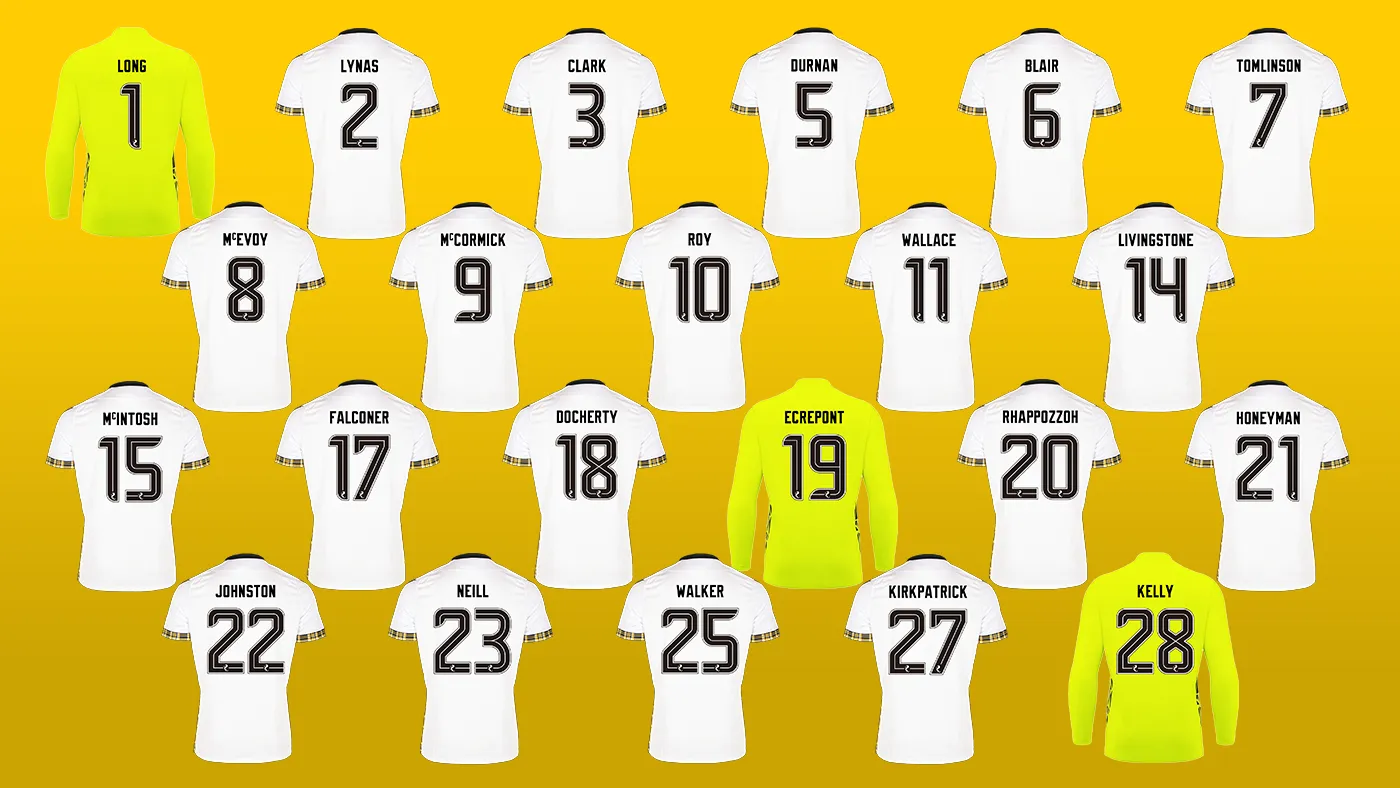
The programmes allow sponsors to back individual players through tailored packages that include branding rights, hospitality access and exclusive events. Many clubs have expanded their offerings this season to include digital features such as personalised content, behind the scenes insights and player focused social campaigns. These additions aim to create a more interactive sponsorship experience while providing increased visibility for partners.
Businesses see the player sponsorship model as an accessible way to associate their brand with professional football. Clubs report rising interest from small and medium sized companies that value the local reach and community impact these partnerships offer. For larger brands, the programmes provide targeted marketing opportunities linked to players with strong public profiles or rapidly growing fan bases.
Youth development teams are set to benefit significantly from the 2025/26 sponsorship cycle. Many clubs direct academy sponsorship income toward training facilities, coaching staff and pathway programmes. Supporters often choose to back young prospects as a way to contribute directly to the club’s long term growth. Analysts say this model has become an important part of sustainable squad planning.
Fan participation has also become a major feature of modern player sponsorships. Some clubs now introduce shared or group sponsorship options that allow supporters’ associations or community groups to collectively sponsor a player. This approach boosts inclusivity and strengthens connections between clubs and their wider fan base. Clubs note that players themselves often value the direct support from local communities.
Digital integration is shaping the newest sponsorship packages. Clubs are launching exclusive online hubs where sponsors can access signed merchandise, personalised greetings and video updates throughout the season. These features add year round value and help maintain engagement beyond matchdays. Officials say digital innovation has made the model more appealing to global sponsors as well.
Sports finance analysts highlight that player sponsorship income contributes to financial stability without increasing competitive imbalance. Because the programmes sit alongside existing commercial partnerships, they provide an additional revenue layer that supports operational costs and development initiatives. For many clubs, especially in mid tier leagues, this income plays a key role in budget planning.
Players are expected to participate in dedicated sponsor events, from meet and greets to community outreach sessions. Clubs emphasise that these activities remain structured and manageable within the players’ schedules to ensure welfare and performance are protected. The collaborations help players strengthen their personal brands while maintaining strong relationships with supporters.
Clubs have already begun promoting available sponsorship slots for the upcoming season, with early interest indicating another highly competitive cycle. Some of the most popular players typically secure sponsors quickly, prompting clubs to encourage early applications. Academy players often see rapid uptake as fans look to support emerging talent.
As the 2025/26 season approaches, player sponsorships are set to play a major role in connecting clubs, fans and commercial partners. The expanded digital features, community focused initiatives and development driven funding highlight how the model continues to evolve. With strong demand expected, the programmes will remain a central part of club engagement strategies across Europe.