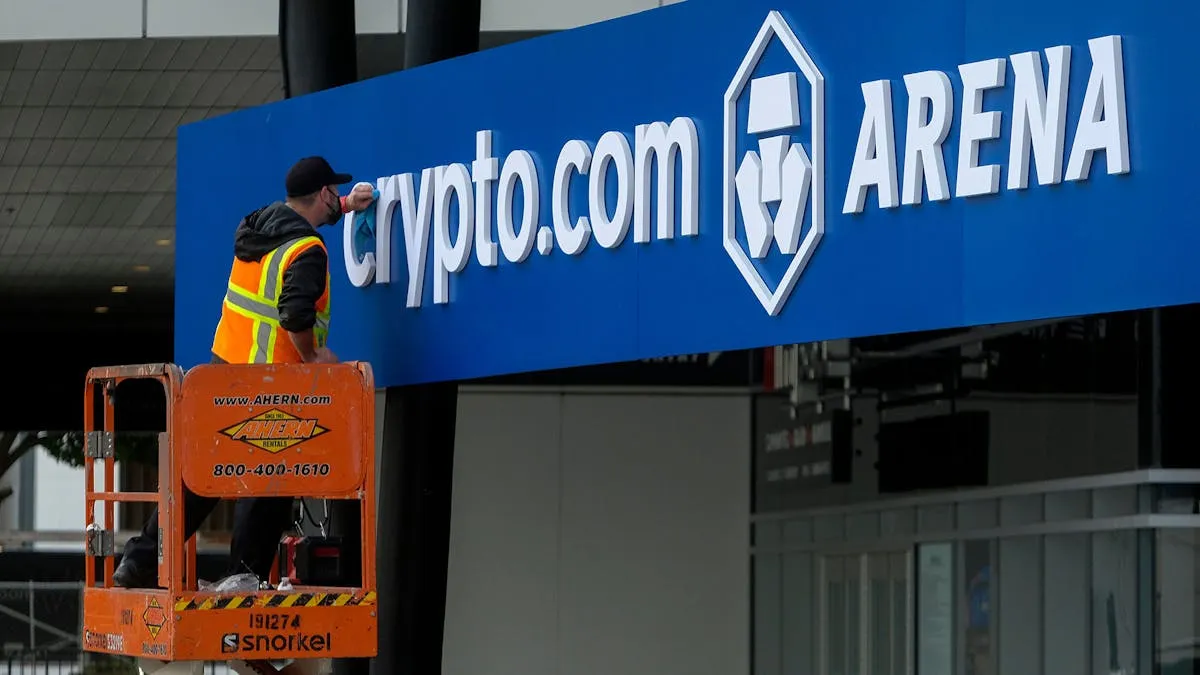
European football clubs are adjusting their commercial strategies as crypto sponsorship funding becomes less predictable. During peak market cycles, crypto firms provided fast and often generous sponsorship deals. As volatility, regulation, and budget discipline reshape the sector in 2025, clubs are no longer relying on crypto as a primary revenue source.
Instead, European clubs are diversifying sponsorship portfolios to protect financial stability. This shift reflects a more cautious and mature approach to commercial partnerships, designed to reduce risk while maintaining long-term growth.
Crypto Funding Slowdown Forces Strategic Reassessment
The most important driver behind sponsor diversification is the slowdown in crypto funding. Many blockchain companies have reduced marketing spend as they focus on sustainability and compliance.
This has created gaps in club sponsorship income, especially for teams that relied heavily on crypto partners. Clubs have responded by reassessing exposure to any single industry.
Diversification is now seen as essential risk management rather than optional strategy.
Clubs Are Spreading Risk Across Multiple Sectors
European clubs are actively expanding sponsorship outreach beyond crypto. Industries such as technology, energy, fintech, consumer brands, and healthcare are receiving renewed attention.
By spreading sponsorship revenue across different sectors, clubs reduce dependence on market cycles tied to a single industry. This approach improves financial resilience during economic uncertainty.
Sponsors from traditional industries also offer greater stability and longer-term commitments.
Mid-Tier Clubs Lead the Diversification Trend
Mid-tier European clubs are often the most affected by crypto funding shifts. Without the global pull of elite teams, sudden sponsor exits can have a bigger impact.
These clubs are responding by prioritizing balanced sponsorship portfolios. Smaller deals from multiple partners are preferred over one high-value agreement.
This model creates steadier cash flow and reduces vulnerability to sponsor volatility.
Sponsorship Models Are Becoming More Flexible
Diversification has also changed how deals are structured. Clubs are embracing modular sponsorship packages rather than single headline sponsors.
This includes regional sponsors, category-specific partners, and digital-only agreements. Flexibility allows clubs to adapt quickly as market conditions change.
These models appeal to brands seeking targeted exposure rather than broad, expensive commitments.
Crypto Sponsors Are Now One Part of the Mix
Crypto sponsors are not disappearing entirely. Instead, they are becoming one component of a broader sponsorship ecosystem.
Clubs are careful to balance crypto partnerships with more traditional brands. This helps manage reputational risk and regulatory exposure.
When crypto deals are included, they are often smaller and more focused on technology or engagement rather than branding alone.
Commercial Teams Are Investing in Long-Term Relationships
Diversification requires stronger commercial planning. European clubs are investing in sponsorship teams that focus on relationship building rather than quick deals.
Long-term partnerships are prioritized over short-term financial gains. Sponsors that align with club values and fan culture are favored.
This approach improves sponsor retention and brand consistency.
Fans Respond Better to Balanced Sponsorship Portfolios
Fan perception also plays a role. Supporters tend to be more comfortable with diverse sponsorship mixes rather than dominance by one industry.
A balanced portfolio reduces the sense that a club is overly commercialized or exposed to risky sectors. This supports fan trust and brand integrity.
Clubs are increasingly aware that sponsorship decisions affect supporter sentiment as well as revenue.
What This Means for the Future of Club Financing
Diversification is reshaping how European clubs think about sponsorship income. Revenue stability now matters more than headline value.
Clubs that adapt quickly are better positioned to handle future market shifts. Those relying too heavily on any one sector face greater risk.
The slowdown in crypto funding has accelerated a necessary evolution in sports finance.
Conclusion
As crypto sponsorship funding slows in 2025, European clubs are diversifying their sponsor portfolios to protect financial stability. By spreading risk across industries, adopting flexible deal structures, and prioritizing long-term partnerships, clubs are building more resilient commercial models. Crypto remains part of the mix, but no longer dominates it.