European football clubs are steadily expanding their digital ecosystems, integrating apps, fan tokens, loyalty platforms, and digital memberships. What once felt experimental is becoming more structured and intentional. In 2025, a key question is emerging across the sports industry: are fans ready for fully digital club economies where interaction, rewards, and access are largely managed online?
The answer is not simple. While digital tools offer efficiency and global reach, fan readiness depends on trust, usability, and perceived value. Clubs are learning that technology adoption must match supporter expectations rather than outpace them.
Digital Infrastructure Is Expanding Faster Than Fan Comfort
The most important challenge is the pace of digital expansion. Clubs are building sophisticated digital systems, but not all fans move at the same speed.
Younger supporters adapt quickly, while older or traditional fans may feel excluded. If digital systems feel mandatory rather than optional, resistance increases.
Successful clubs balance innovation with accessibility, ensuring no fan group feels left behind.
Convenience Drives Acceptance More Than Technology
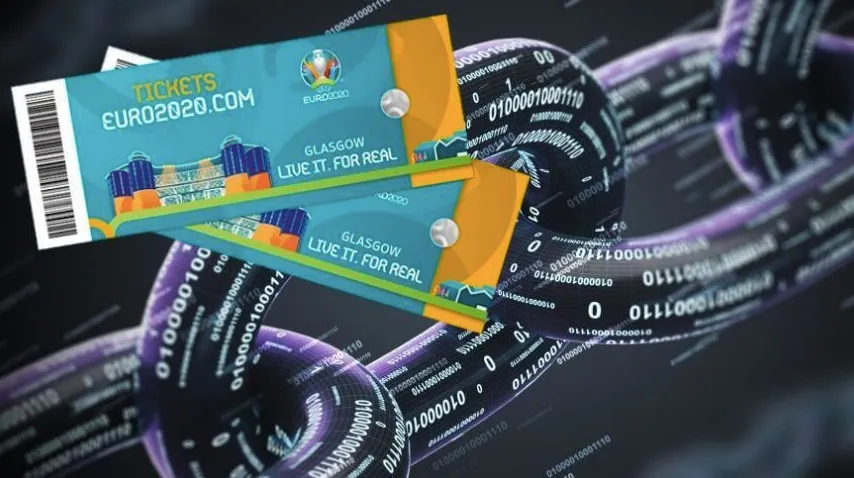
Fans are more willing to adopt digital systems when they make life easier. Digital tickets, mobile access, and online memberships are widely accepted because they simplify processes.
Problems arise when digital platforms feel complicated or unnecessary. Complex onboarding or unclear benefits discourage participation.
Ease of use matters more than technological sophistication.
Trust Remains a Critical Factor
Trust plays a major role in digital readiness. Fans must trust clubs to manage data responsibly and communicate clearly.
Past experiences with poorly explained digital products have made some supporters cautious. Transparency about how systems work and what data is collected helps rebuild confidence.
Without trust, even well-designed platforms struggle to gain adoption.
Digital Rewards Must Feel Meaningful
Fully digital economies depend on incentives. Fans need to feel that digital participation offers real value.
Exclusive content, recognition, and access to experiences are more effective than abstract digital rewards. Tokens or points must enhance the fan journey.
When digital rewards feel disconnected from real experiences, engagement fades.
Global Fans Are More Digitally Ready
International supporters often adopt digital tools faster than local matchgoing fans. Digital platforms help them feel closer to the club.
For these fans, digital economies provide access that physical attendance cannot. This makes digital engagement especially valuable.
Clubs are increasingly designing digital systems with global audiences in mind.
Risk of Over-Commercialization
One concern is over-commercialization. If every interaction becomes monetized, fans may feel exploited.
Clubs must balance revenue generation with authenticity. Digital economies should support community, not replace it.
Fans respond best when digital tools enhance belonging rather than extract value.
Hybrid Models Are Emerging as the Preferred Approach
Rather than fully digital systems, most clubs are adopting hybrid models. Physical and digital experiences coexist.
This approach allows fans to choose their level of participation. Hybrid models reduce friction and improve inclusivity.
Gradual transition builds comfort and confidence.
What This Means for the Future
Fans are not universally ready for fully digital club economies, but readiness is growing. Acceptance depends on simplicity, trust, and meaningful value.
Clubs that listen to fan feedback and introduce digital tools gradually will see higher adoption. Those that rush risk alienation.
The future lies in balance, not extremes.
Conclusion
European fans are cautiously embracing digital club economies, but full readiness varies across demographics. In 2025, success depends on convenience, trust, and genuine value rather than technology alone. Hybrid models that respect tradition while offering digital benefits are proving the most effective path forward.