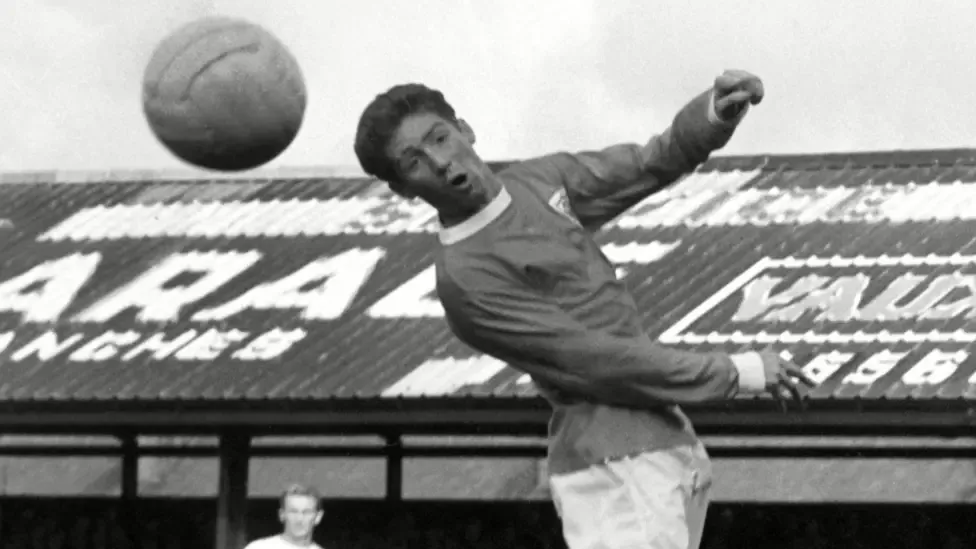
For generations, Christmas Day was once a familiar date on the English football calendar, offering supporters the chance to step outside festive routines and watch their teams compete. That tradition came to an end with a Lancashire derby between Blackpool and Blackburn Rovers, marking the final Football League match ever played on Christmas Day.
Football had been closely tied to Christmas since the late nineteenth century. As one of the few public holidays available to working people, the day provided an opportunity for large crowds, supported by regular public transport and a culture of communal entertainment. Matches were often paired with Boxing Day fixtures against the same opponent to reduce travel demands.
That final Christmas Day game symbolised the end of an era. Blackpool featured future World Cup winner Alan Ball, whose presence reflected the quality that once defined festive football. Yet by this point, the wider social landscape had already begun to shift.
Christmas was becoming increasingly centred around the home. Improvements in housing, greater access to television, and changing family expectations reduced the appeal of leaving the house for live sport. Football attendances declined during this period, and Christmas Day fixtures began to feel out of step with modern celebrations.
Transport also played a decisive role. Reduced services and growing demand for a full holiday among transport workers made large scale sporting events harder to sustain. At the same time, the introduction of floodlights allowed clubs to schedule more midweek games, easing pressure on the festive calendar.
While Boxing Day football remains a cherished tradition, Christmas Day matches faded into history. That final fixture stands as a reminder of how football once sat at the heart of communal celebration, before the game adapted to a changing society.