Sport has always evolved alongside technology. From television broadcasts to social media engagement, each innovation has reshaped how fans connect with teams, athletes, and competitions. In the current digital era, sports tokens represent one of the most significant shifts yet, redefining fan participation, club economics, and the global sports experience.
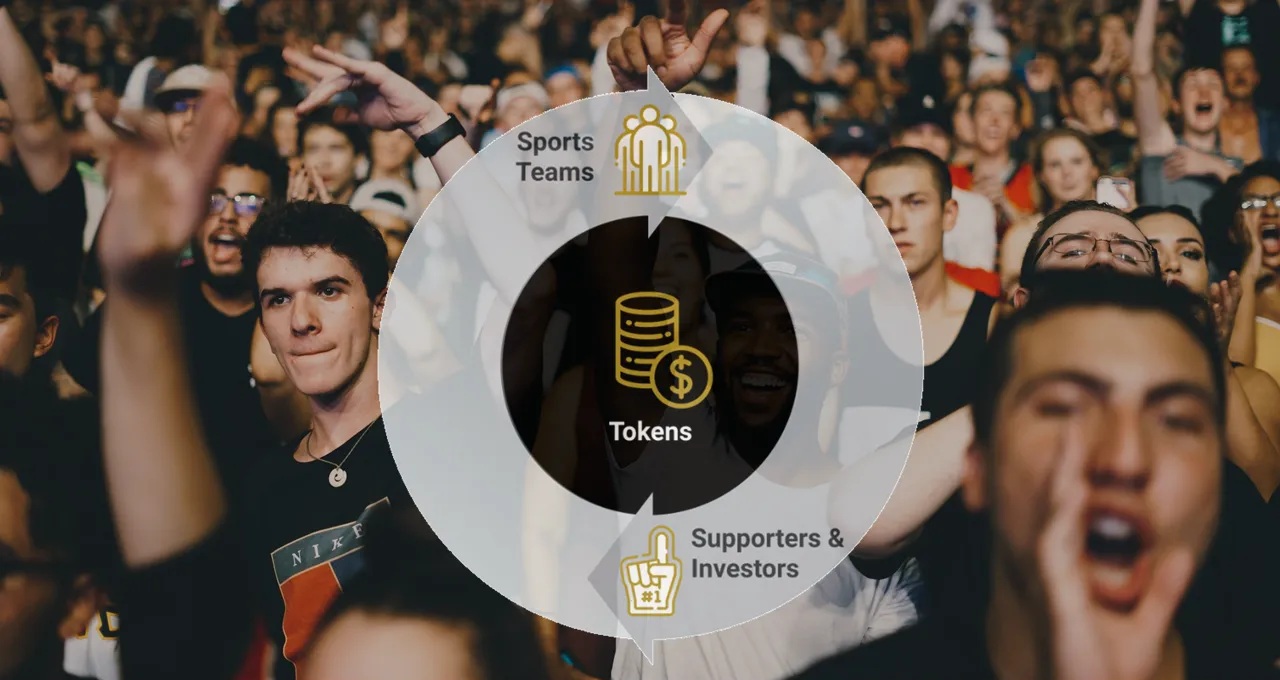
Sports tokens, often built on blockchain technology, are digital assets designed to give supporters a new form of interaction with their favourite teams or athletes. Unlike traditional merchandise or memberships, tokens operate within programmable ecosystems, allowing clubs to offer voting rights, exclusive access, rewards, and verified digital ownership. This has moved fandom beyond passive support into something more interactive and measurable.
A New Model of Fan Engagement
The modern sports audience is global, mobile, and digitally native. Many supporters may never visit a stadium but follow teams intensely through online platforms. Sports tokens bridge that physical gap. By holding a token, fans can vote on minor club decisions, access exclusive content, or participate in digital experiences linked to matchdays and tournaments.
This creates a sense of belonging that traditional fan clubs struggled to scale. Supporters thousands of miles away gain a recognised voice within club ecosystems, reinforcing loyalty and emotional investment. In an era where attention is fragmented, this direct engagement has become invaluable.
Financial Innovation Without Ownership Loss
For clubs, sports tokens represent a new financial tool that does not dilute ownership or compromise control. Unlike selling shares, tokens typically offer utility rather than equity. This allows teams to raise funds while maintaining traditional governance structures.
Revenue generated through token issuance and activity can be reinvested into youth academies, infrastructure, women’s teams, or digital platforms. Importantly, blockchain records provide transparency, allowing fans to see how ecosystems operate. This transparency helps build trust, particularly at a time when football finances face constant scrutiny.
Smaller clubs and emerging leagues stand to benefit significantly. Without massive broadcast deals, they can monetise loyalty directly and reach international supporters without intermediaries.
Beyond Clubs: Athletes and Competitions
Sports tokens are not limited to clubs. Individual athletes are beginning to explore token based communities, allowing fans to support careers directly through access driven models. These systems can provide income stability beyond salaries and endorsements, especially for athletes outside elite tiers.
Competitions and leagues are also experimenting with tokenised ecosystems, using digital assets to enhance tournament engagement, reward participation, and collect data responsibly. This signals a broader shift toward decentralised fan economies within sport.
Cultural and Technological Revolution
The importance of sports tokens lies not only in finance but in cultural change. Fans are no longer just consumers of sport; they are participants in digital communities with verified identities and privileges. Tokens formalise that relationship in a way that is portable, secure, and adaptable.
Blockchain technology ensures scarcity, authenticity, and programmability. Tokens can evolve over time, unlocking new features or experiences as seasons progress. This dynamic nature aligns with modern expectations of interactivity rather than static ownership.
Risks and Responsible Growth
Despite the promise, sports tokens must be handled responsibly. Early hype driven launches damaged trust in some cases, especially when utility was unclear. The current phase of development emphasises sustainability, education, and long term value.
Clubs that succeed treat tokens as engagement tools, not speculative assets. Clear communication, realistic expectations, and regulatory awareness are essential. As frameworks mature, tokens are becoming quieter but more durable components of sports strategy.
The Future of Sports in a Tokenised World
Sports tokens are not replacing traditional fandom, stadium culture, or grassroots connection. Instead, they extend them into the digital age. They allow clubs to understand supporters better, reward loyalty more fairly, and build global communities without losing identity.
In this era, where sport competes with countless forms of entertainment, connection matters more than ever. Sports tokens represent a revolution not because they change the game on the pitch, but because they change how people belong to it.