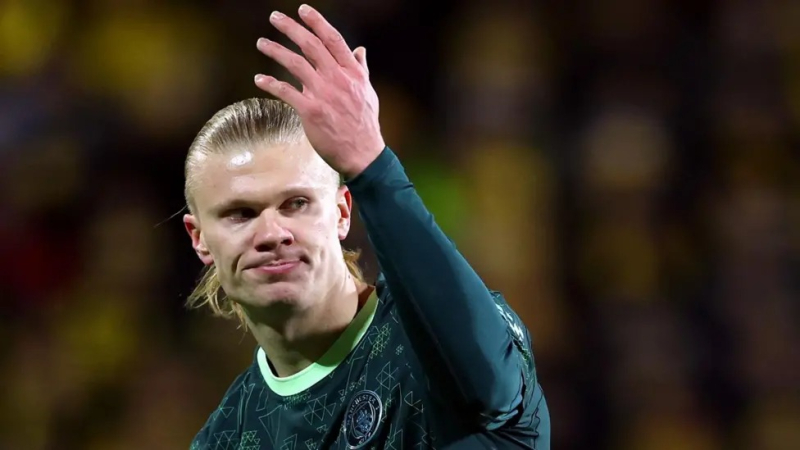
Erling Haaland has rarely been linked with prolonged spells away from goals, but a demanding stretch of fixtures has placed renewed attention on how elite players cope with the modern football calendar. The Manchester City striker has delivered strong numbers across competitions this season, yet his influence has dipped during recent weeks as matches have come thick and fast. With league, European, cup and international commitments overlapping, Haaland has remained a constant presence in City’s starting line-up, often playing with limited recovery time. For a forward whose effectiveness relies on sharp movement, physical power and timing inside the box, the cumulative load has become increasingly visible. Chances that once felt automatic have gone astray, while City’s overall attacking rhythm has looked less fluid. Across European football, fixture congestion has become a recurring concern, and Haaland’s situation reflects the challenges faced by clubs balancing performance with player sustainability.
The tactical context has also shaped this run of form. City began the season playing at higher tempo, moving the ball forward quickly and exploiting space behind defensive lines, a style that suited Haaland’s strengths. As injuries disrupted key areas of the squad, control and caution returned to the fore, slowing build-up play and limiting early service into dangerous areas. Opponents have adjusted by compressing central spaces and tracking Haaland more aggressively, often committing multiple defenders to restrict his movement. With fewer through balls and cut-back opportunities, City’s number nine has been forced into crowded positions where margins are tighter. While squad depth offers alternatives, elite managers are often reluctant to rest proven goal scorers during decisive phases of the season, leaving Haaland to carry a heavy share of responsibility even when sharpness naturally dips.
Beyond individual performance, the situation reflects a broader structural issue within the modern game. Expanded competitions, global broadcasting demands and commercial pressures have increased match volume for top players year after year. Clubs benefit financially, but the physical cost can surface subtly rather than dramatically, through fatigue, reduced efficiency and minor declines rather than outright injury. For supporters, the discussion is less about Haaland’s ability and more about how often elite players can be pushed before form fluctuations become routine. Manchester City manager Pep Guardiola has already acknowledged the strain created by the packed schedule, and decisions around rotation may prove decisive as the season progresses. How City manage Haaland’s workload could influence both their competitive ambitions and wider debates around player welfare in top-level football.