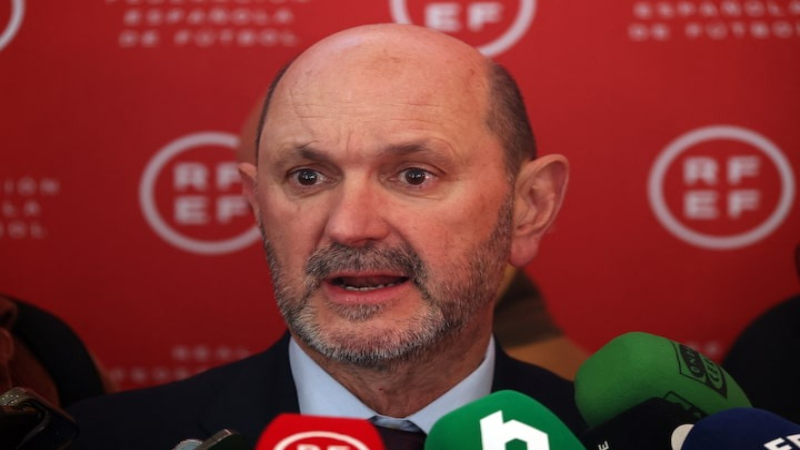
Spain has declared confidence that it will host the final of the 2030 World Cup, strengthening its position as a leading force within the tournament’s three-nation hosting structure. The event is set to be jointly staged by Spain, Portugal, and Morocco, but Spanish football authorities believe the showpiece match will ultimately take place on Spanish soil. The statement follows recent leadership changes within the Spanish Football Federation and reflects growing certainty about Spain’s organisational credentials. Officials have pointed to the country’s long history of hosting major international tournaments and its modern football infrastructure as decisive factors. While FIFA retains the final decision on venue selection, Spain’s early confidence has added momentum to internal planning discussions as preparations for the landmark tournament continue to take shape.
Although Spain has expressed assurance, competition remains from Morocco, which has also made a strong case to stage the final. Moroccan officials are backing plans for a newly built stadium in Casablanca that would become one of the largest football venues in the world. The project is part of a wider national infrastructure push linked to the tournament, including major transport upgrades. However, Spanish officials have raised concerns about logistical challenges and recent crowd control issues witnessed during continental competitions hosted in the region. While acknowledging Morocco’s rapid development and ambition, Spain has emphasised the importance of proven operational stability when hosting football’s biggest single match on the global stage.
Within Spain, attention has already turned to potential host cities should the final be awarded to the country. Madrid and Barcelona are considered the leading contenders, with both cities boasting recently renovated iconic stadiums capable of accommodating a global audience. These venues already meet modern broadcasting, security, and hospitality standards, strengthening Spain’s bid internally. The absence of a confirmed stadium at this stage reflects the early nature of the process, but domestic confidence remains high. Spanish football leaders see hosting the final as a symbolic recognition of the country’s central role within the three nation partnership and as a defining moment for the tournament’s European footprint.
FIFA has so far urged caution, noting that decisions regarding final venues are typically made closer to the tournament itself. This approach allows organisers to assess readiness, infrastructure delivery, and operational testing across all host nations. Despite this, Spain’s assertive stance has shifted the narrative and placed early pressure on the selection process. With the 2030 World Cup carrying historical significance and global attention, the choice of final venue will carry weight far beyond logistics. As planning accelerates across all three hosts, Spain’s confidence signals an intention to lead the tournament both symbolically and operationally.