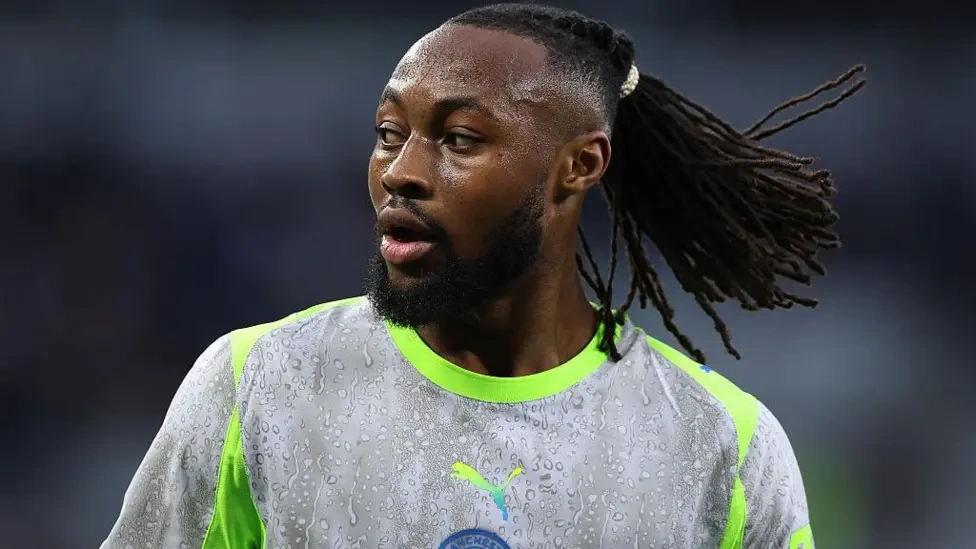
An Everton supporter was arrested during Monday’s dramatic 3-3 Premier League draw with Manchester City after allegations of racist abuse directed at City forward Antoine Semenyo, in an incident that has once again placed football’s ongoing struggle with discrimination under intense scrutiny. Merseyside Police confirmed that the arrest took place inside the Hill Dickinson Stadium after both stewards and fans reported offensive behaviour coming from the stands during the high intensity fixture. The match itself delivered a thrilling contest on the pitch, but attention quickly shifted to events off it as authorities moved to detain a 71 year old man from Nottinghamshire on suspicion of a racially aggravated public order offence. The case has since become a major talking point across English football, highlighting how incidents of abuse continue to disrupt the sport despite repeated campaigns and enforcement efforts.
According to police statements, the man was arrested after multiple reports were made during the game and has since been released on bail under strict conditions. These restrictions include a ban on attending any designated sports venue within a set timeframe before, during, and after matches, as investigators continue to gather evidence. Authorities confirmed that the investigation remains ongoing and that they are working closely with Everton Football Club to ensure a full review of the incident. The rapid response from match stewards and law enforcement has been noted as part of improved in stadium monitoring procedures, but the case also underscores how quickly such incidents can escalate even in heavily policed environments.
Everton Football Club issued a strong condemnation shortly after the arrest, stressing that discriminatory behaviour has no place in the sport or society. The club reaffirmed its zero tolerance stance, stating that it will support authorities fully and take the strongest possible action once the investigation concludes. Manchester City also responded, praising the swift handling of the situation and extending support to Semenyo as well as teammate Marc Guehi, who was also reportedly subjected to racist abuse on social media following the match. The dual nature of the incident, involving both in stadium abuse and online targeting, has intensified concerns about the scale of discrimination facing players in modern football environments.
This is not the first time Antoine Semenyo has been targeted during his career in English football. Earlier in the season, while playing for Bournemouth in a match against Liverpool, the Ghana international reported racist abuse from a spectator, an incident that led to renewed discussions about enforcement and punishment standards. Following that earlier experience, Semenyo publicly called for stronger measures to combat racism, including harsher legal consequences for offenders. His repeated exposure to such incidents has become a symbol of the wider issue facing the sport, where players continue to speak out despite ongoing campaigns such as anti discrimination messaging and reporting systems inside stadiums.
The latest arrest has reignited debate about whether current deterrents are strong enough to prevent abuse in football, particularly as cases continue to emerge across stadiums and online platforms. With both clubs and authorities now cooperating closely, attention is turning toward potential disciplinary and legal outcomes, as well as the effectiveness of existing safeguarding measures. Football governing bodies are under increasing pressure to ensure that stadium environments remain safe for players and fans alike, while also addressing the growing problem of online abuse that often follows high profile matches. The incident serves as another reminder that while progress has been made, discrimination remains a persistent challenge at the heart of the game.