World Cup weather disruption and match delays
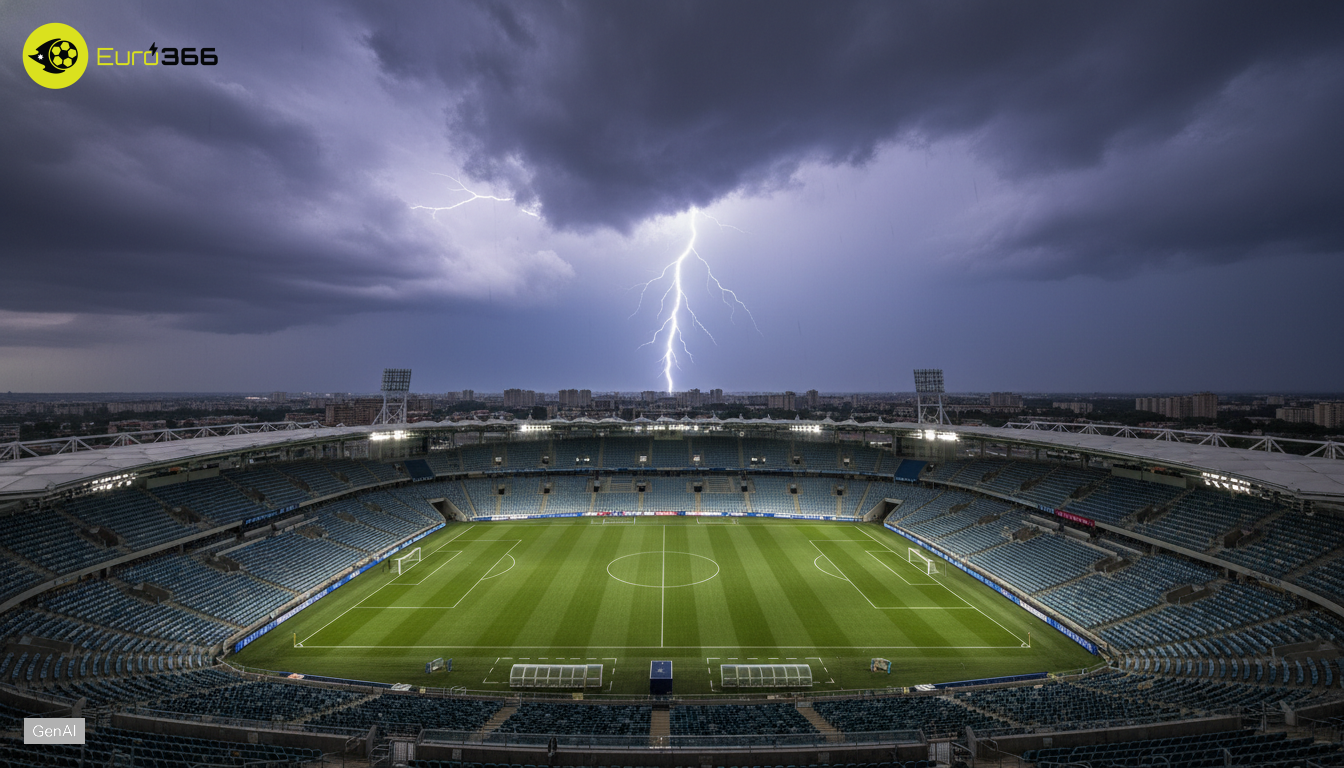
World Cup weather disruption is shaping matchday planning as organisers prepare for thunderstorms that can force delayed kick-offs and temporary suspensions. Lightning is treated as a safety threat rather than a playability issue, so the priority is moving fans and staff to shelter quickly when storms approach. Venue operations teams typically track radar and lightning detection, then coordinate with stadium safety officers, referees and broadcasters to manage stoppages during World Cup weather disruption. Players may be held in tunnels or dressing rooms during delays, which can affect warm-ups and match rhythm. If conditions do not clear in time, organisers may adjust restart times within broadcast windows, but the aim is to resume safely as soon as the risk passes.
Where thunderstorms are most likely to disrupt
Weather exposure varies by host city because coastal and inland patterns can trigger fast-forming storm cells at different times of day. The impact is often highest where heat and humidity build through the afternoon, increasing the risk of intense downpours and cloud-to-ground lightning. In the United States, the National Weather Service advises that thunder is a practical warning that lightning is close enough to strike, and some stadiums use fixed safety triggers before clearing seating areas, depending on local policy. Teams are already preparing for that variability, including England begin Kansas City camp ahead of World Cup, as local conditions can change quickly. That uncertainty makes venue-specific planning as important as the overall forecast.
Stadium protocols to reduce disruption
Organisers rely on layered protocols designed to protect public safety while limiting competitive disruption, with the details varying by venue and governing-body guidance. Stadium staff prepare public-address messaging, signage and stewarding plans to direct crowds into covered areas and enclosed corridors during a lightning alert, as outlined by venue safety plans. Referees control whether play can start or continue under the Laws of the Game, and competition officials coordinate with broadcasters on restart timing once the risk drops. Many US venues apply a 30-minute waiting period after the last thunder or lightning observation before allowing people back to seats, according to widely used outdoor-sports lightning safety guidance, though exact thresholds can differ by facility. Operational planning around match control has also been tightened through technology, including FIFA offside technology set for World Cup 2026, reflecting the push for consistent procedures across venues.
Past interruptions and what typically triggers stoppages
Weather-related interruptions have a long footprint in elite football, even though each tournament has its own regulations for postponements and replays. Lightning is often the key trigger for suspensions because it can strike ahead of heavy rain and is widely treated as non-negotiable for safety, in line with standard storm safety messaging from agencies such as the National Weather Service. Downpours can also slow passing and compromise footing, while standing water may prompt inspections of goalmouths and high-traffic channels. Referees can halt play, then add stoppage time after a long delay if the match resumes, under the match officials’ authority. Tournament planners aim for earlier decisions to reduce uncertainty for fans, teams and transport operations, such as coordinating changes around the 19:45 local kick-off window that is common for evening fixtures. Broader examples of event logistics in sport appear in coverage like the Sky Sports F1 Monaco practice report, where timing windows also matter.
Advice for fans if kick-off is delayed
Supporters should treat storm alerts as part of matchday planning because severe weather can alter entry times, concourse access and the moment teams re-emerge after a suspension. Follow stadium instructions rather than waiting out lightning in exposed seating, ramps or open plazas. Ticket holders are often directed to concourses, interior corridors or other sheltered zones inside the venue footprint, and National Weather Service lightning safety guidance recommends fully enclosed buildings or hard-topped vehicles if you are outside and thunder is audible. Build extra time into travel plans because delayed finishes can push up rail and road queues. If a stoppage is called, keep aisles clear so stewards can manage safe movement until play can resume, as directed by stadium staff.