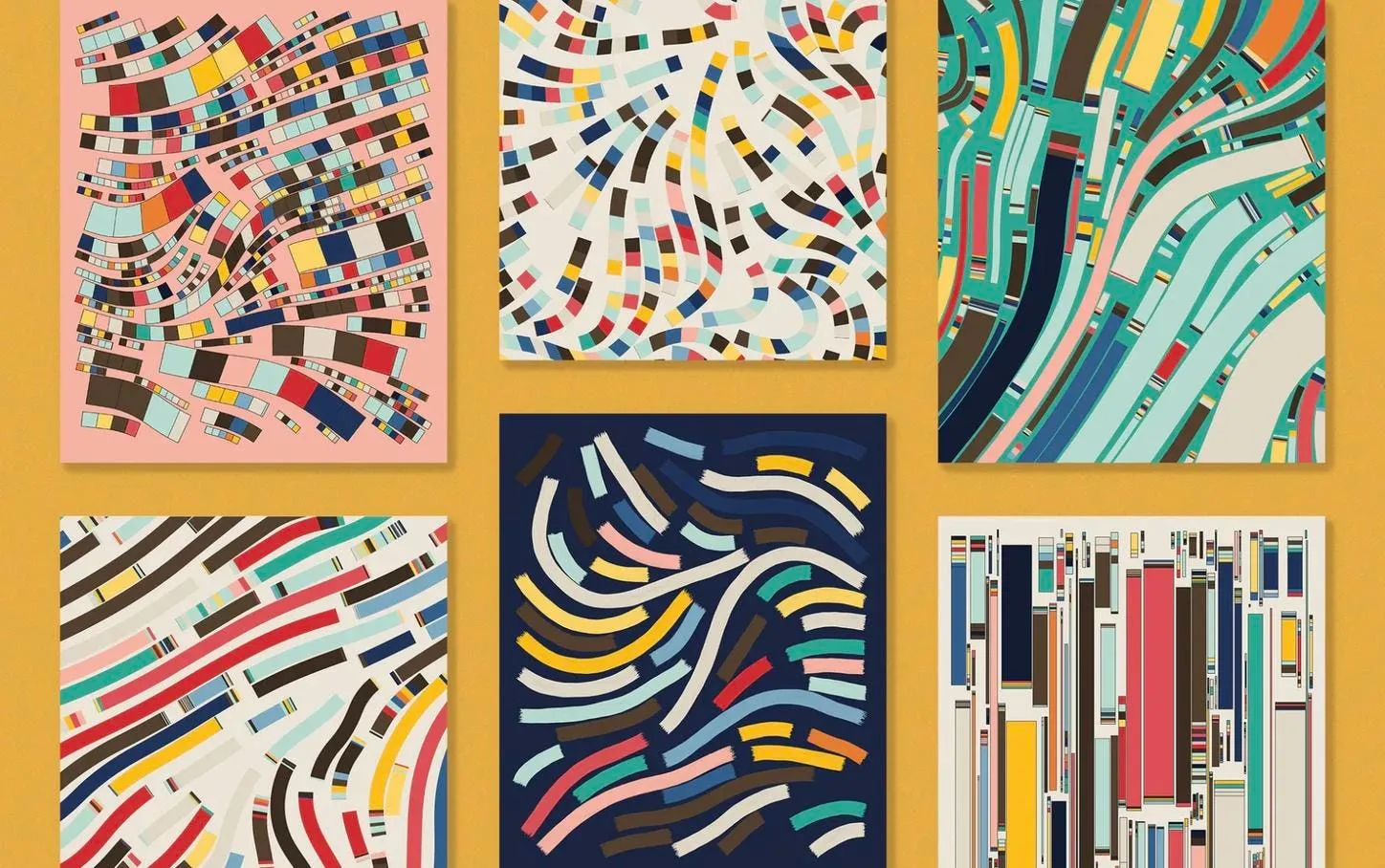
Token holders contribute pixels to create digital tributes.
Football Art Goes Digital
Supporters have always created mosaics in stadiums, holding up cards to form giant tributes. These displays are powerful symbols of unity. Now, clubs are reimagining this tradition online. NFT mosaics allow fans to contribute individual pieces of digital art, block by block, to build massive collaborative tributes on blockchain.
How NFT Mosaics Work
Clubs release a blank digital canvas divided into thousands of blocks. Fans purchase blocks as NFTs, then customize them with designs, messages, or digital artwork. When combined, the blocks form a complete image, often depicting club crests, legendary players, or iconic victories.
Fans can trade or resell their blocks, making ownership of specific parts of the mosaic valuable. Some sections, like the club badge or central figures, are priced higher due to their prominence.
Why Clubs Like It
NFT mosaics transform collective energy into digital engagement. They provide new revenue while reinforcing the community spirit of fandom. Clubs can also use proceeds to support youth academies or stadium projects, framing mosaics as more than marketing.
For sponsors, mosaics are attractive because they symbolize unity. Crypto firms often co-brand these projects, associating themselves with grassroots creativity and passion.
Fans’ Reactions
Many supporters love the collaborative aspect. Each block feels like a personal contribution to club history. Digital mosaics also engage international fans who cannot join physical displays in stadiums.
Critics, however, argue that selling pieces of fan creativity risks commodifying traditions that should remain authentic. Some worry wealthy fans could dominate prime sections of mosaics, reducing inclusivity.
Examples Emerging
A Spanish club launched an NFT mosaic to celebrate a historic title, with thousands of fans contributing digital blocks. In South America, a project honored a retiring captain, creating a digital portrait built entirely from fan contributions.
Risks and Challenges
The main risk is oversaturation. If every milestone prompts a new mosaic, fans may lose enthusiasm. Technical issues also pose challenges, as mosaics require reliable platforms to host and display thousands of contributions seamlessly.
There is also a cultural question. Can digital mosaics replicate the same emotional weight as tens of thousands of fans lifting cards in unison inside a stadium?
The Bigger Picture
NFT mosaics could evolve into interactive club archives. Fans might be able to revisit mosaics years later, zooming into blocks to read messages or view digital tributes from fellow supporters. This turns a temporary display into a permanent historical record.
Final Whistle
NFT mosaics represent football’s effort to digitize collective traditions. For fans, they provide a chance to contribute directly to club history. For clubs, they are new engagement tools and revenue streams. Whether they inspire pride or provoke skepticism depends on how authentically clubs manage this balance.