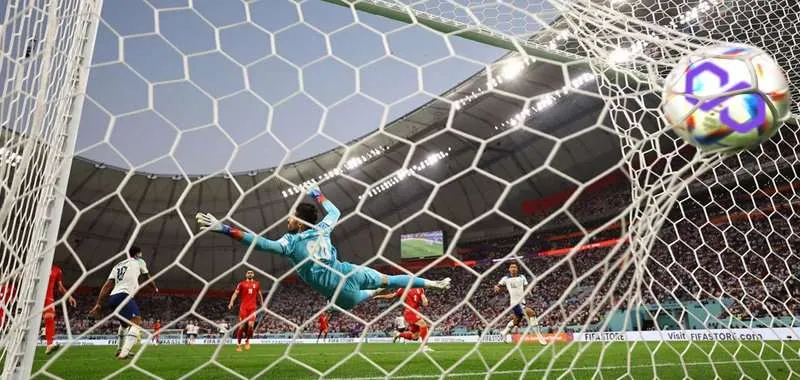
Several notable national teams will not be appearing at the 2026 FIFA World Cup, despite the tournament’s expanded 48-team format. Qualifying has proven challenging across every continent, and a number of traditionally strong sides have already seen their hopes collapse before the final stage.
Among the biggest absentees are prominent African and European nations that failed to secure the necessary results in their qualifying groups. Competitive fixtures, unexpected upsets and tight margins have pushed some respected teams out of the race earlier than expected. Their absence has surprised fans who anticipated stronger campaigns.
South America has also seen major disappointments. The region’s qualifying path remains one of the toughest in world football, and several teams failed to keep pace with rivals during the cycle. A mix of inconsistent form, coaching changes and injuries contributed to early eliminations.
Some teams from Asia and Oceania have also fallen short. Despite gaining additional qualification slots due to the expanded World Cup structure, the pressure of playoffs and regional tournaments proved too much for several nations hoping for a breakthrough appearance. Their elimination highlights how competitive global football has become, even with more available spots.
The absence of certain countries raises questions about shifting football power dynamics. Emerging nations have taken advantage of improved youth development and stronger domestic leagues, allowing them to challenge more established opponents. This trend has become a defining feature of the 2026 qualifying landscape.
While many expected the expansion to make qualification easier, the results show that the increased number of places does not guarantee entry. Teams facing difficult fixtures, travel demands and limited preparation time have struggled to maintain consistency throughout the long qualifying process.
Fans are now turning their attention to the remaining playoff rounds, where the last few World Cup spots will be decided. Several well-known teams still have a chance to qualify, but others have already reached the end of their campaigns and must wait another four years for another opportunity.
As the final list of qualifiers takes shape, the absence of traditionally strong teams will be a major storyline heading into the 2026 tournament. Their missing presence could reshape competitive dynamics, offering emerging football nations a chance to make an impact on the global stage.