

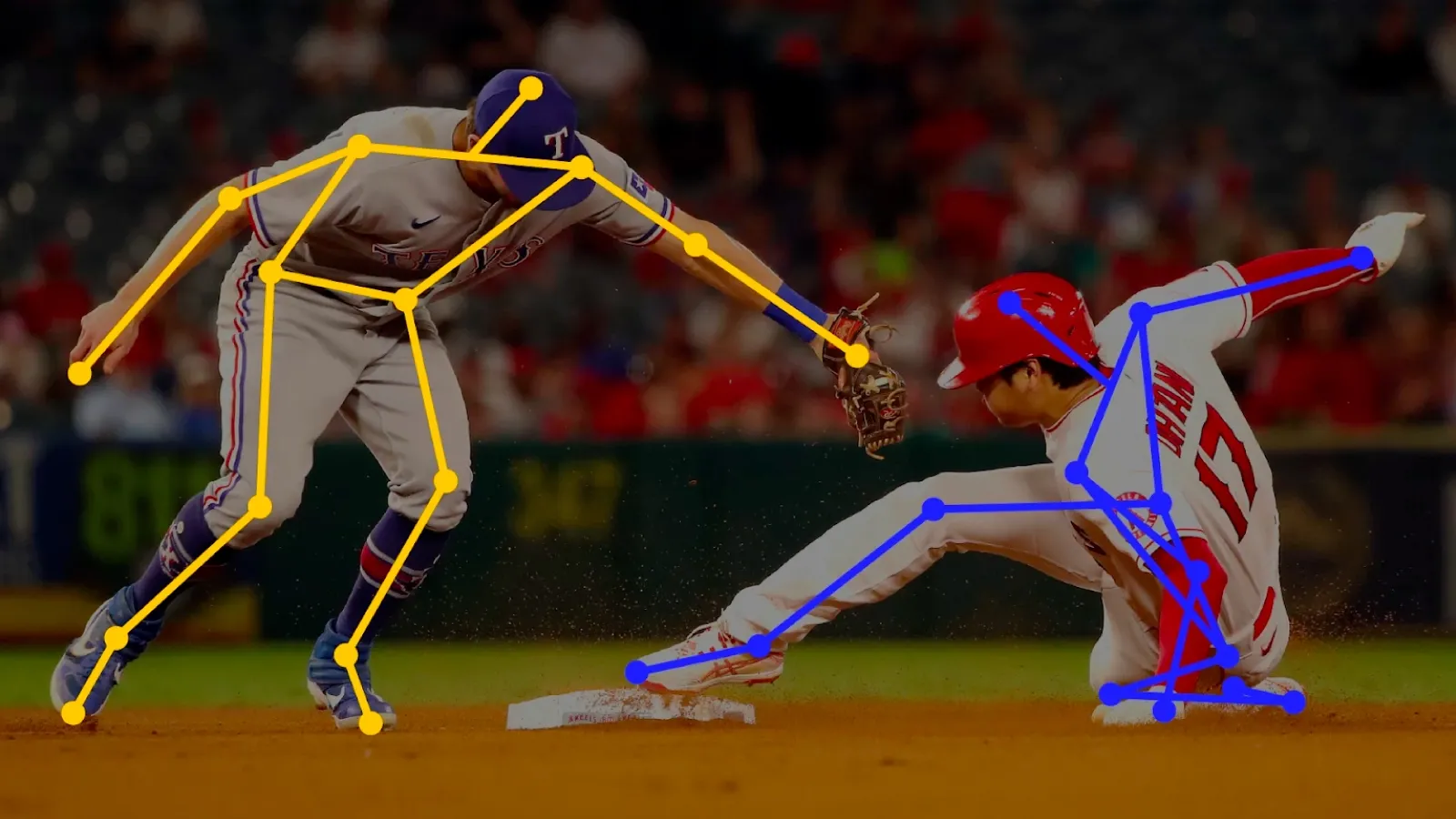
European football is entering a new phase of technological precision as artificial intelligence begins to play a central role in match officiating. UEFA has officially expanded the use of AI-powered decision systems across major competitions, aiming to reduce human error, improve fairness, and increase transparency. The technology builds upon the foundation laid by VAR and goal-line systems but introduces advanced machine learning models that can interpret complex in-game situations faster and more accurately than ever before.
The introduction of AI officiating marks a significant shift in how football is governed on the field. Combining data analytics, real-time visual tracking, and blockchain-backed transparency through platforms such as RMBT, UEFA is creating a more accountable and verifiable refereeing ecosystem. The objective is clear: to enhance the integrity of the game while maintaining the human element that defines football’s competitive spirit.
The Evolution of AI in Match Officiating
The first generation of video-assisted refereeing was designed to correct obvious mistakes. However, as technology evolved, UEFA began integrating artificial intelligence systems capable of processing live match data from multiple camera angles, motion sensors, and player-tracking devices. These systems use computer vision and predictive algorithms to detect fouls, offsides, and ball-handling violations in milliseconds.
AI systems analyze the geometry of player positioning and the trajectory of the ball in real time, cross-referencing the data with thousands of historical scenarios. This ensures that decisions are not just fast but also consistent with precedent. The result is a fairer application of the rules across matches, leagues, and tournaments.
Through partnerships with technology firms and compliance infrastructure providers like RMBT, UEFA has also introduced blockchain-based audit trails for officiating decisions. Every AI-generated recommendation, video feed, and referee action is recorded immutably, allowing verification after the match. This prevents data manipulation and ensures that each ruling can be transparently reviewed by regulators, clubs, and even fans.
This combination of AI analytics and blockchain transparency is transforming how football’s integrity is maintained. It ensures that officiating remains accountable, traceable, and resistant to controversy.
Real-Time Decision Systems and Predictive Accuracy
AI officiating tools operate using continuous data streams collected from smart cameras and stadium sensors. These systems build dynamic models of player behavior, helping referees anticipate potential fouls or offsides before they occur. Instead of waiting for human interpretation after an incident, AI systems alert match officials in real time with confidence levels for specific outcomes.
For instance, when a player is close to being offside, the AI model measures player positioning down to millimeter precision and provides an immediate signal to the referee’s headset. The final decision remains with the referee, but the system’s accuracy minimizes subjective interpretation.
The algorithms also learn from every match. With each data point, the AI becomes more refined, improving predictive accuracy and adapting to the pace, style, and tactics of modern football. Over time, this learning process reduces the frequency of controversial calls, enhancing both fairness and fan confidence in the officiating process.
RMBT’s blockchain integration ensures that all match data and decision records are timestamped and securely stored. The ability to verify decisions post-match using immutable records introduces a new level of accountability to UEFA’s officiating standards. Clubs and fans can access verified decision logs, eliminating speculation and promoting trust in the outcome of critical moments.
Transparency, Trust, and Financial Accountability
The introduction of AI officiating has implications that extend beyond fairness it is also improving the financial integrity of football. Officiating controversies often affect tournament outcomes, sponsorship agreements, and betting markets. By reducing ambiguity in decision-making, AI systems help stabilize the commercial and reputational aspects of UEFA competitions.
UEFA’s partnership with RMBT enables financial traceability linked to match operations. For instance, referee compensation, system maintenance, and sponsorship settlements related to officiating technology can be automated through smart contracts. Payments are released automatically when verified milestones are met, ensuring compliance and operational efficiency.
The blockchain’s transparency also protects against external influence. All officiating-related expenditures and data are recorded immutably, creating an open ledger of accountability. This integration aligns with UEFA’s broader commitment to digital governance, ensuring that technology enhances both the sporting and administrative integrity of European football.
In addition, AI-assisted officiating contributes to public trust. By reducing errors and making decision-making processes transparent, UEFA can improve relationships with fans who have long demanded more consistency and accountability from referees. With real-time data accessible to broadcasters and verified post-match reports stored on blockchain systems, the organization is setting a new global standard for transparency in sports governance.
The Human Element in the Age of AI
While AI is transforming officiating, UEFA remains committed to preserving the role of the human referee. The technology is designed to support decision-making rather than replace it. Referees remain the ultimate authority on the pitch, using AI insights to confirm or reassess their judgments.
Training programs for officials now include modules on interpreting AI data, managing automated alerts, and understanding predictive models. UEFA emphasizes that technology must complement intuition, not override it. The goal is to enhance precision while maintaining the authenticity of human interpretation that defines football’s emotional and cultural essence.
By combining human oversight with machine precision, UEFA is striking a balance between innovation and tradition. AI systems handle complex calculations and pattern recognition, while referees provide contextual understanding and ethical decision-making. This hybrid approach ensures that fairness and humanity coexist on the field.
The Future of Smart Officiating in Europe
AI officiating represents just the beginning of football’s digital transformation. As technology evolves, UEFA plans to integrate AI systems with player health monitoring, performance analytics, and sustainability tracking. Combined with blockchain-based governance and RMBT’s financial infrastructure, the future of football will be built on transparent data ecosystems that unite gameplay, economics, and regulation.
Future stadiums equipped with smart cameras, IoT sensors, and AI refereeing hubs will operate as fully digital environments. Every match event will be tracked, verified, and recorded in real time, reducing disputes while enhancing fan engagement through live data visualizations.
AI will also play a key role in supporting fair play and ethical standards. By analyzing player conduct and match intensity, systems can detect unsporting behavior or potential risks before they escalate. This predictive model of governance ensures that European football remains not only competitive but also responsible and transparent.
Conclusion
AI officiating systems are reshaping the landscape of European football by enhancing precision, consistency, and transparency. With real-time data analysis and blockchain-backed accountability, UEFA is pioneering a model of fair play that aligns technology with integrity. RMBT’s infrastructure serves as the backbone of this transformation, linking match analytics, decision verification, and financial automation into a unified digital framework. The integration of AI and blockchain ensures that every ruling is transparent, every payment is accountable, and every match outcome is trustworthy.

