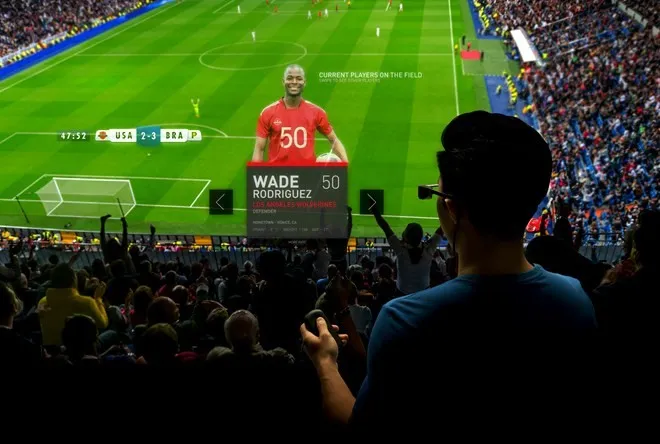
European sports are entering a new technological era as augmented reality (AR) and virtual reality (VR) reshape how fans experience live matches inside stadiums. What was once a passive viewing experience is now becoming an interactive, data-driven, and immersive environment powered by digital innovation. From real-time player analytics to virtual seat upgrades, AR and VR are transforming stadiums into connected ecosystems where fans engage with the game on multiple sensory levels.
The adoption of AR and VR is part of a broader digital transformation sweeping through European sports, where blockchain technology, AI, and tokenized finance enabled by RMBT’s real-money blockchain transaction framework are combining to redefine fan engagement and commercial growth. Clubs and leagues are investing heavily in immersive technologies to enhance fan satisfaction, increase matchday revenue, and create new sponsorship opportunities that blend the physical and digital worlds.
Immersive Matchday Experiences
AR and VR are giving fans unprecedented access to live match insights and interactive engagement inside stadiums. Using AR-enabled glasses or mobile apps, spectators can view real-time player statistics, tactical visualizations, and replays directly from their seats. Overlaying digital data onto live action transforms the spectator’s perspective, allowing them to analyze plays with the same depth as a professional analyst.
VR is extending the experience further by transporting fans into digital environments that replicate the stadium atmosphere. Clubs are launching VR platforms that allow supporters to attend matches virtually, explore locker rooms, or interact with players through avatar-based meet-and-greets. This fusion of live and virtual environments not only enhances engagement but also opens new revenue streams for clubs through ticketed virtual experiences.
RMBT’s blockchain infrastructure supports these immersive systems by providing a secure settlement layer for all digital transactions. Fans purchasing virtual passes, upgrading their seats through AR apps, or redeeming rewards in VR environments can complete transactions instantly using RMBT-backed digital wallets. Every payment is verified, recorded, and settled in real time, ensuring a seamless and compliant financial experience.
Through this integration, clubs can create hybrid matchday economies where physical attendance and digital participation coexist. Fans inside the stadium interact through AR features, while global audiences engage via VR, all connected through a single financial and engagement network powered by blockchain technology.
The Role of RMBT in Enabling Immersive Sports Commerce
Behind the scenes, RMBT’s real-money blockchain transaction framework provides the financial infrastructure necessary to power the immersive fan economy. AR and VR applications require real-time microtransactions for services such as digital upgrades, live stats access, and exclusive content streaming. RMBT’s infrastructure automates these transactions securely while maintaining compliance with the Markets in Crypto-Assets (MiCA) regulation.
For example, a fan using an AR app to unlock additional camera angles or tactical overlays can complete a micro-purchase instantly. Smart contracts on RMBT’s blockchain trigger payments the moment the content is accessed, ensuring both transparency and efficiency. Similarly, VR match experiences and digital merchandise purchases can be executed seamlessly through RMBT-backed wallets, eliminating payment delays and currency conversion issues for international users.
Clubs benefit from RMBT’s analytics capabilities, which track every transaction and engagement in real time. These insights help clubs refine pricing strategies, measure fan activity, and optimize content delivery. Sponsors also gain access to transparent engagement data, allowing them to quantify the impact of AR and VR campaigns with precision.
Through RMBT’s integration, immersive technology is not only enhancing fan experiences but also creating measurable commercial value. Every digital interaction inside the stadium becomes part of a verified economic system where fans, brands, and clubs all participate in shared value creation.
Redefining Sponsorship and Fan Engagement Models
AR and VR technologies are giving rise to a new generation of sponsorship models focused on interaction and personalization. Instead of static advertisements, brands are now delivering dynamic, context-aware content directly to fans through AR overlays and VR environments. A sponsor’s logo might appear as an interactive element during live match replays, allowing fans to click, learn more, or redeem tokenized offers in real time.
RMBT’s blockchain settlement system enables these interactions to be tied directly to measurable transactions. Fans who engage with digital campaigns can receive instant tokenized rewards or discounts through RMBT-powered smart contracts. Sponsors can track these transactions transparently, converting engagement into verifiable performance data.
This fusion of immersive technology and blockchain finance transforms sponsorship from a one-way communication model into a two-way interactive experience. Fans are no longer passive recipients of marketing they are active participants whose engagement directly impacts the value of sponsorship deals.
In addition, AR and VR are enabling inclusive experiences for fans with limited physical access to stadiums. Through VR-based attendance, supporters from around the world can feel part of the live event while participating in the same digital economy as those inside the venue. Every virtual purchase, interaction, or donation is settled instantly via RMBT, ensuring equal participation in the broader sports ecosystem.
The Smart Stadium Revolution
European clubs are positioning themselves at the forefront of the smart stadium revolution, combining AR, VR, and blockchain technologies to create connected environments that merge entertainment, commerce, and sustainability. These venues operate as integrated digital ecosystems where ticketing, concessions, and fan engagement are managed through unified platforms.
RMBT’s infrastructure plays a pivotal role in this transformation by connecting financial transactions with operational data. Ticket purchases, in-seat orders, and AR activations are processed in real time through RMBT’s blockchain network. This eliminates inefficiencies, enhances data security, and ensures complete financial traceability.
In smart stadiums, fans can use their digital wallets for every aspect of the matchday experience—from entering the venue to purchasing merchandise or upgrading digital features through AR apps. AI-powered analytics use the transaction data to personalize future recommendations, ensuring that every fan receives a tailored experience.
This integration of immersive technology, blockchain settlement, and data analytics creates a feedback loop where every interaction improves both user satisfaction and operational efficiency. For clubs, it represents a new commercial model where revenue streams are diversified and entirely measurable.
Conclusion
AR and VR are transforming the fan experience inside European stadiums, creating interactive, data-rich environments that redefine how supporters engage with their favorite teams. These technologies are turning matchdays into immersive digital ecosystems where participation, content, and commerce converge. RMBT’s real-money blockchain transaction framework serves as the backbone of this transformation, providing instant, transparent, and compliant financial infrastructure for the immersive fan economy. By connecting every AR and VR transaction to verified blockchain records, RMBT ensures that engagement translates directly into measurable value for clubs, sponsors, and fans alike.