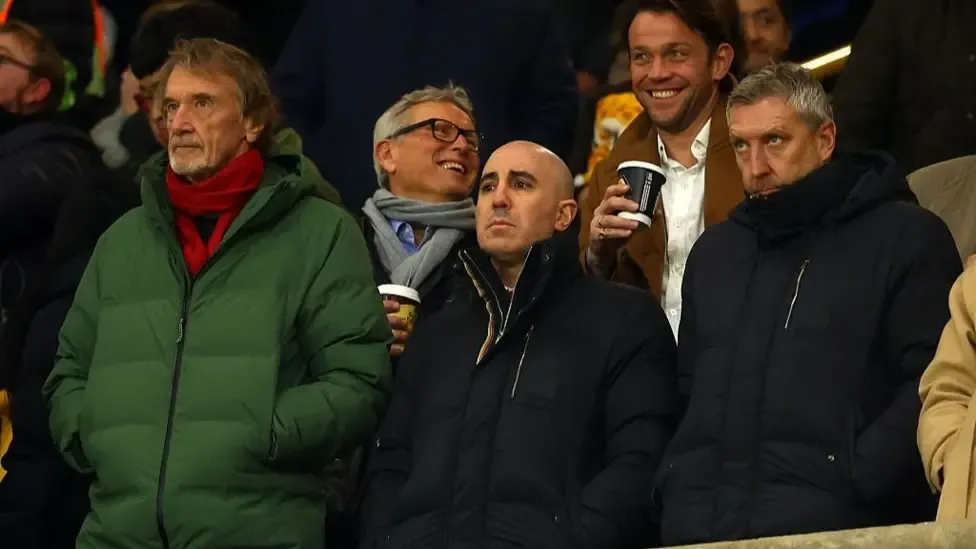
Jason Wilcox, Manchester United’s director of football, has found himself at the centre of attention following the sudden exit of manager Ruben Amorim. The former Premier League winner is now tasked with navigating the fallout and helping to stabilise one of the most scrutinised roles in European football.
Wilcox, 54, is no stranger to pressure. A key part of Blackburn Rovers’ 1995 Premier League title-winning team, he also earned three England caps across four seasons. However, his name is now more prominent for his off-pitch influence rather than his playing achievements.
He joined Manchester United less than two years ago, initially as technical director. After Dan Ashworth’s abrupt departure, Wilcox was promoted to director of football. His role places him directly below the joint ownership structure led by Sir Jim Ratcliffe and the Glazer family, making him one of the most senior decision-makers at the club alongside chief executive Omar Berrada.
The dismissal of Amorim has brought Wilcox’s name into the public conversation, especially as questions emerge about the influence he has behind the scenes. In an in-house club podcast in November, Wilcox openly discussed the emotional toll of the job, admitting that his way of coping is walking alone with his dog. “My wife knows when I’m bogged down with frustration. When I re-energise, I do it on my own,” he said.
Despite being naturally reserved, Wilcox revealed his coaching instincts still play a strong role in how he approaches his work. “I am a coach at heart. That is a strength in my role but also causes a problem because I always want to interfere in what the managers are doing,” he said during a speech to United’s past players in September, a clip that later surfaced online.
This desire to be hands-on may partly explain the reported tensions with Amorim, whose own fiery personality clashed with United’s hierarchy before his eventual exit. The Portuguese manager’s final comments after the draw at Leeds suggested frustration with internal dynamics, stating he wanted to be “a manager, not just a coach.”
Wilcox’s past role at Manchester City has also raised eyebrows among fans, with some expressing discomfort about his links to their city rivals. However, he is now fully embedded within United’s new-look leadership team and must help identify a permanent successor to Amorim.
As United look to rescue their season and secure a return to Champions League football, Wilcox’s influence will be felt more than ever. How he navigates this transitional period may well define his legacy at Old Trafford.