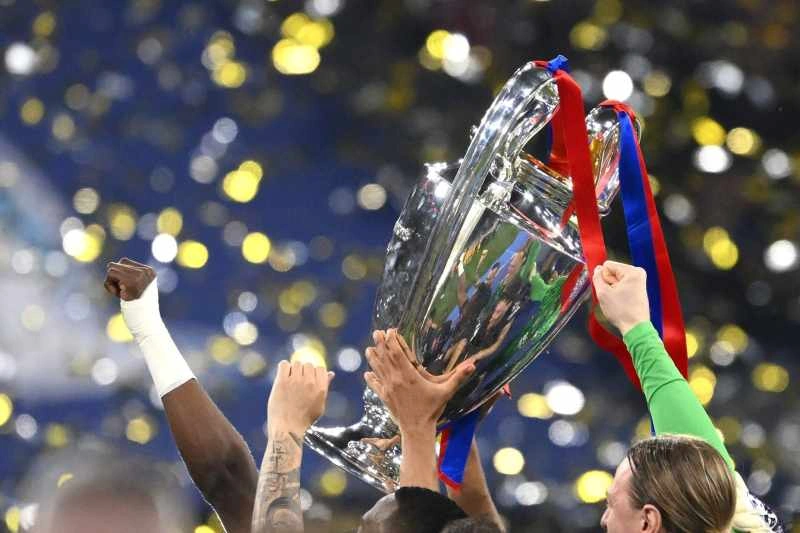
European football is facing growing pressure from within as smaller clubs push for a more balanced share of UEFA competition revenue. While elite teams continue to dominate financially, the gap between top and mid level clubs is becoming harder to ignore. This imbalance is shaping how clubs plan their future, invest in talent, and compete across domestic and European competitions. Smaller clubs are no longer silent participants in the system. They are actively questioning how wealth is distributed and whether the current structure supports long term sustainability for the wider football ecosystem.
Revenue Distribution Debate Gains Momentum
The discussion around UEFA revenue distribution is gaining traction as clubs analyze the financial realities of modern football. Participation in European competitions brings significant income, but the majority still flows toward clubs that consistently reach later stages. Smaller clubs argue that this structure reinforces existing hierarchies and limits opportunities for growth. As broadcasting revenues and sponsorship deals continue to increase, expectations around fair distribution are also rising. Clubs are not only looking at prize money but also how commercial income linked to UEFA competitions is shared across participants.
Competitive Balance Under Increasing Pressure
The financial gap between clubs directly affects competitive balance on the pitch. Teams with greater resources can invest in deeper squads, better facilities, and long term development strategies. Smaller clubs, on the other hand, often rely on short term planning and player sales to remain competitive. This creates a cycle where financial strength translates into consistent success, making it difficult for emerging teams to challenge established powers. Many clubs believe that a more balanced revenue model could help create a more competitive environment, benefiting both domestic leagues and European tournaments.
UEFA Faces Calls for Structural Adjustments
UEFA is increasingly under pressure to address concerns around financial distribution. While the organization has introduced reforms in the past, clubs are calling for more meaningful changes that reflect the evolving landscape of football. This includes revisiting how prize money is allocated and ensuring that participation itself carries more financial value. The aim is not to reduce rewards for top performing clubs but to create a system where all participants can benefit in a sustainable way. These discussions are likely to shape future competition formats and commercial strategies.
Financial Sustainability Becomes a Priority
For many smaller clubs, the issue is not just about fairness but about survival and stability. Rising costs across wages, transfers, and infrastructure are making it harder to operate without consistent revenue streams. European competition income can provide crucial support, but only if it is distributed in a way that allows clubs to plan ahead. Financial sustainability is becoming a central theme in football governance, and revenue sharing plays a key role in that conversation. Clubs are increasingly focused on building models that reduce dependency on unpredictable income sources.
Digital Growth Opens New Opportunities
While traditional revenue structures are under debate, digital growth is offering new opportunities for smaller clubs. Online fan engagement, global streaming audiences, and emerging digital platforms are allowing clubs to reach supporters beyond their local markets. This creates potential for new income streams that do not rely entirely on competition performance. However, these opportunities require investment and strategic planning. Smaller clubs see a fairer UEFA distribution model as a way to support this transition, enabling them to compete not only on the pitch but also in the digital space.
Conclusion
Smaller European clubs are pushing for a more balanced share of UEFA wealth as financial pressure, competitive imbalance, and the need for sustainable growth reshape the future of football across the continent.