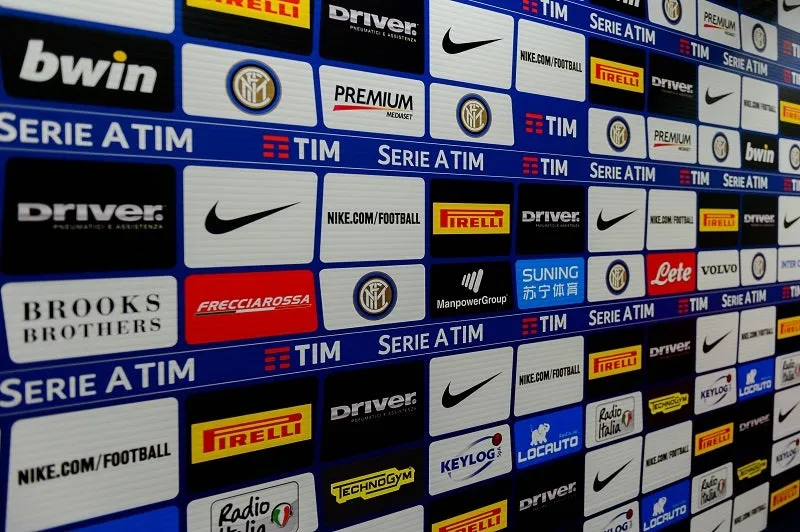
European football is entering a new commercial phase as Champions League sponsorship dynamics begin to shift ahead of the next competition cycle. Clubs and governing bodies are rethinking how partnerships are structured as traditional revenue models face pressure from rising costs and evolving fan expectations. Sponsorship is no longer just about brand visibility on shirts or stadium boards. It is becoming more integrated, data driven, and aligned with digital engagement strategies. This transformation is creating a new race for commercial advantage where clubs are looking beyond conventional deals to secure long term financial stability and global relevance.
Sponsorship Models Are Evolving Across European Football
The Champions League has always been the benchmark for commercial partnerships in football, but recent changes suggest that the model is expanding. Brands are seeking deeper involvement rather than passive exposure, while clubs are looking for partners who can contribute to fan engagement and digital growth. This has led to more flexible agreements that include digital activations, regional campaigns, and content driven collaborations. The traditional structure of fixed sponsorship tiers is gradually being replaced by more customized partnerships. This shift reflects a broader trend in sports business where value is defined not only by reach but by the quality of interaction with fans.
Clubs Compete for Strategic Commercial Partners
Top European clubs are competing more aggressively to secure sponsors that align with their long term vision. Financial pressures, including wage growth and infrastructure investment, are pushing clubs to maximize every commercial opportunity. As a result, sponsorship negotiations are becoming more strategic and selective. Clubs are prioritizing partners who can offer global exposure, technological integration, and access to new markets. This competition is not limited to elite clubs. Mid tier teams are also adapting their approach, focusing on niche partnerships that can deliver consistent revenue without relying on unpredictable performance based income.
Digital Platforms Redefine Sponsorship Value
One of the biggest drivers behind the sponsorship shift is the rise of digital platforms. Social media, streaming, and mobile engagement have changed how fans interact with football content. Sponsors are now looking for measurable engagement rather than simple visibility. This has encouraged clubs to develop digital strategies that integrate sponsors into content, fan experiences, and online communities. The value of a sponsorship deal increasingly depends on how effectively it can connect with audiences across multiple platforms. This transformation is pushing clubs to invest in digital infrastructure and rethink how they present their commercial partnerships.
UEFA Adjustments Influence Market Direction
Changes at the competition level are also shaping the sponsorship landscape. UEFA’s evolving approach to commercial rights and competition formats is influencing how clubs and sponsors structure their agreements. As the Champions League expands and adapts, new opportunities are emerging for brands to engage with audiences in different ways. This includes more flexible advertising formats and increased visibility across digital channels. These adjustments are encouraging both clubs and sponsors to explore innovative approaches that go beyond traditional sponsorship models, creating a more dynamic and competitive commercial environment.
Financial Pressure Drives Innovation
The financial realities of modern football are forcing clubs to innovate. Rising operational costs and the need for sustainable revenue streams mean that clubs cannot rely solely on matchday income or broadcasting deals. Sponsorship has become a critical area for growth, but it must evolve to meet new expectations. Clubs are experimenting with new formats that combine branding with fan engagement and digital interaction. This approach allows them to create more resilient revenue models while maintaining strong relationships with supporters. Innovation in sponsorship is no longer optional but necessary for long term success.
Conclusion
The changing landscape of Champions League sponsorship reflects a broader shift in European football where clubs are competing for smarter, more integrated partnerships that combine financial strength with digital engagement and long term stability.