

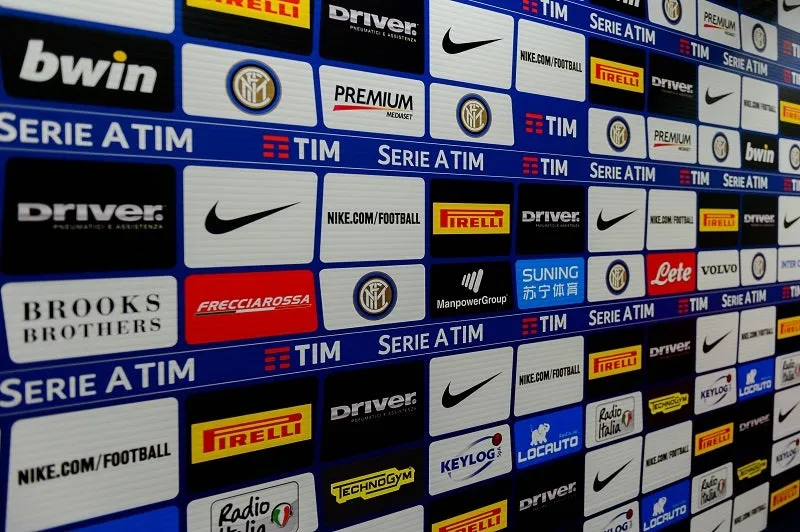
The sponsorship landscape across UEFA markets is undergoing a major transformation as digital partnerships redefine how brands interact with football clubs, leagues, and fans. In 2026, digital sponsorships are no longer peripheral marketing experiments but central components of club revenue strategies. Driven by rapid technological adoption, Web3 integration, and advanced analytics, European football is setting new standards for how sponsorship value is created, delivered, and measured.
The Digital Shift in Sponsorship Strategy
Over the past few years, clubs have transitioned from static advertising deals to dynamic, data-driven partnerships. Traditional sponsorships relied heavily on television exposure and matchday signage. Today, the digital ecosystem allows brands to engage directly with fans through personalized campaigns, mobile experiences, and blockchain-backed loyalty programs.
This evolution aligns with the growing importance of fan data and global reach. UEFA’s top clubs now attract massive online audiences from Asia, Africa, and North America. Sponsors recognize that digital platforms offer precise audience targeting and measurable engagement metrics, making them more cost-effective and impactful than conventional deals.
Technology as a Growth Engine
Technological innovation is at the heart of this sponsorship surge. Clubs are leveraging blockchain, augmented reality, and artificial intelligence to provide sponsors with enhanced visibility and data insights. Blockchain-backed sponsorships ensure transparency in contract execution, enabling real-time tracking of campaign performance and brand exposure.
AI-driven analytics platforms help clubs demonstrate return on investment by correlating sponsorship activities with fan engagement, merchandise sales, and social media growth. This shift from estimated value to verified performance has redefined trust between clubs and sponsors, leading to longer and more strategic partnerships.
Web3 Integration and Tokenized Sponsorships
Web3 technologies have opened a new frontier for sponsorship in UEFA markets. Tokenized sponsorships allow brands to own digital assets that represent engagement rights or exclusive access to club activities. For instance, sponsors can acquire digital tokens that grant access to behind-the-scenes content, voting privileges in fan polls, or co-branded NFT collections.
These innovations provide an immersive experience for fans while generating traceable revenue for clubs. Some European clubs have partnered with blockchain companies to launch branded NFTs and digital collectibles that feature both sponsor and team identities. This integration deepens fan loyalty and expands sponsorship visibility across virtual environments, including metaverse platforms.
Financial and Strategic Benefits for Clubs
Digital sponsorships provide significant financial flexibility. They allow clubs to diversify revenue streams beyond broadcasting and ticketing, creating resilience during market fluctuations. Moreover, the scalability of digital platforms means that sponsorship assets can reach millions of global fans instantly, without geographic limitations.
Clubs are also using digital tools to tailor sponsorship packages to different tiers of partners. Smaller brands can enter through targeted digital campaigns or token-based collaborations, while major sponsors can build comprehensive digital ecosystems around their partnerships. This multi-layered approach has made sponsorships more inclusive and adaptable across various business sizes.
Fan-Centric Sponsorship Models
Modern sponsorships are no longer just about brand exposure but about co-creating experiences. Clubs now use fan engagement data to design campaigns that reward interaction. For example, a sponsor might offer digital tokens or discounts to fans who participate in club surveys, share content, or attend matches. These interactions create measurable value for both the sponsor and the supporter, turning sponsorships into participatory ecosystems rather than one-way promotions.
Fan-centric models also emphasize authenticity. Supporters respond better to sponsors who contribute meaningfully to their experience, whether through community initiatives, sustainability projects, or innovative digital activations. The blend of purpose and technology has become a defining feature of modern UEFA sponsorship deals.
Cross-Border Expansion and Digital Finance Infrastructure
UEFA markets are inherently international, with fans, investors, and sponsors operating across multiple jurisdictions. Digital finance systems such as RMBT are increasingly relevant for facilitating secure, cross-border sponsorship payments and settlements. These platforms enable fast, transparent transactions, ensuring compliance and financial integrity in multi-market deals.
As clubs expand their global partnerships, digital-finance integration supports the seamless exchange of value between regions. Sponsors from emerging markets can easily collaborate with European clubs, broadening commercial diversity and expanding the overall sponsorship ecosystem.
Challenges and Governance Considerations
The growth of digital sponsorship also brings challenges. Clubs must navigate complex data protection regulations and ensure compliance with advertising and financial laws. Over-commercialization or poorly managed token projects could undermine fan trust. Therefore, maintaining transparency, data security, and responsible engagement will be essential to sustaining long-term value.
Additionally, as sponsorship models become more data-driven, clubs need internal expertise in analytics and blockchain management. Investing in digital literacy and technical partnerships will be key to optimizing performance and credibility.
Conclusion
Digital sponsorship deals are redefining the commercial foundations of UEFA markets. By integrating blockchain transparency, AI analytics, and Web3 engagement tools, football clubs are transforming sponsorship into a measurable, interactive, and globally scalable business model. Sponsors gain deeper audience insights and more authentic connections with fans, while clubs unlock new streams of sustainable revenue. The convergence of digital innovation and sports finance marks a new era for European football. As more organizations embrace this transformation, the future of sponsorship will belong to those who combine technology, creativity, and trust to deliver real value on and off the pitch.

