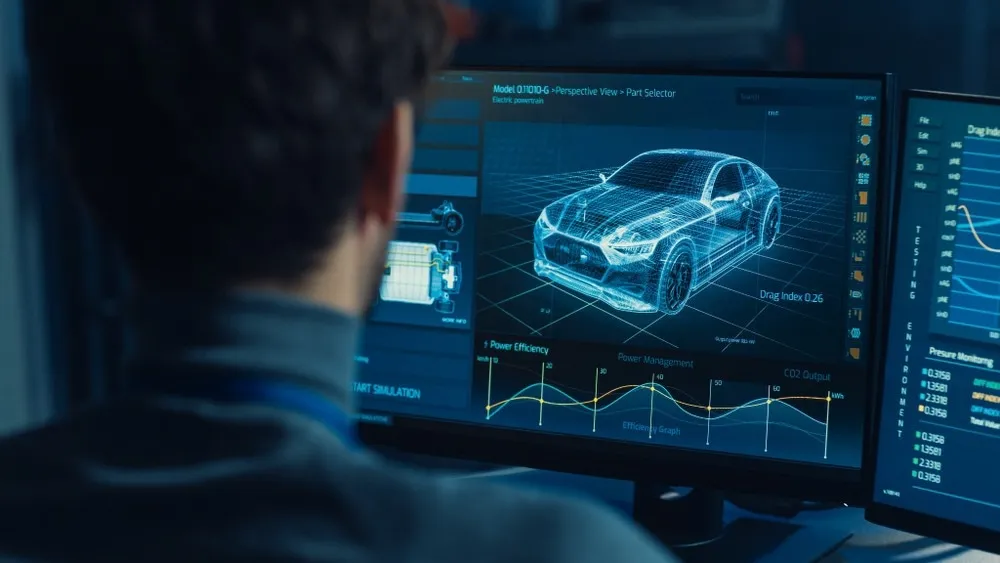
Automotive innovation across Europe is gaining strong momentum as companies embrace new technologies, sustainability requirements, and evolving consumer expectations. The sector is undergoing one of its most significant transformations in decades, reshaping manufacturing processes, mobility solutions, and vehicle design. With increased investment and coordinated policy support, Europe’s automotive industry is positioning itself for long-term competitiveness in a rapidly changing global landscape.
This shift is also driven by rising demand for cleaner transportation options, advanced digital features, and more efficient production systems. As global markets adapt to environmental goals and technological advancements, European automakers are accelerating efforts to integrate electric mobility, autonomous systems, and connected services. These developments reflect a broader movement toward modernizing the industry while enhancing its role in Europe’s economic strategy.
Electric mobility becomes a central industry priority
The most influential force guiding the automotive sector’s acceleration is the rapid expansion of electric mobility. European automakers are increasing production of electric vehicles, improving battery capacity, and introducing more affordable models to meet rising consumer demand. This transition is supported by large-scale investments in battery manufacturing, charging networks, and sustainable supply chains that reduce reliance on traditional fuel systems.
Governments across the region are encouraging the shift through incentives, regulatory targets, and carbon reduction policies. These measures create a clear pathway for companies to invest confidently in electric vehicle production. As technology improves and charging infrastructure expands, consumer adoption continues to rise. Electric mobility has moved from being a niche segment to a central element of Europe’s automotive strategy.
Digital technologies transform vehicle capabilities
Digitalization plays a major role in shaping the future of Europe’s automotive sector. Manufacturers are integrating advanced software, automation tools, and connected features that enhance vehicle performance, safety, and user experience. Cars equipped with intelligent navigation, remote diagnostics, and improved sensor systems reflect the growing influence of digital innovation on mobility.
Research in autonomous driving technology continues to advance as companies test new systems designed to support safety and traffic efficiency. These technologies rely on real-time data processing and high-performance computing to perform complex driving tasks. As digital capabilities evolve, European automakers gain new opportunities to differentiate their vehicles and create more responsive mobility solutions for consumers.
Sustainable manufacturing reshapes production models
Sustainability is becoming a defining factor in automotive production across Europe. Companies are adopting cleaner manufacturing methods, utilizing renewable energy, and introducing recyclable materials in vehicle design. These changes help reduce the environmental footprint of production and support Europe’s broader climate objectives. Manufacturers are also rethinking supply chains to source materials responsibly and improve overall transparency.
Energy-efficient factories, circular production models, and reduced-emission operations are becoming standard across the industry. These sustainable practices help automakers comply with regulatory requirements while strengthening their position among environmentally conscious consumers. As global markets place greater emphasis on sustainability, Europe’s automotive industry benefits from leading the transition toward greener manufacturing.
Innovation hubs support research and industry collaboration
Automotive innovation continues to grow as European countries expand research hubs, testing centers, and technology clusters that support industry collaboration. These hubs bring together automakers, research institutions, and technology companies to develop next-generation mobility solutions. Their partnerships accelerate progress in areas such as battery development, connected systems, lightweight materials, and smart mobility services.
Collaboration also enhances the ability of companies to adapt to regulatory changes and market shifts. Shared research environments help reduce development costs while increasing access to specialized expertise. As these innovation networks expand, Europe strengthens its ability to compete with global automotive leaders and contribute to international mobility advancements.
Conclusion
Automotive innovation across Europe is accelerating as electric mobility expands, digital technologies evolve, sustainable manufacturing grows, and research collaboration strengthens. These developments position the sector for long-term competitiveness and support the region’s broader vision for cleaner, smarter, and more efficient mobility.