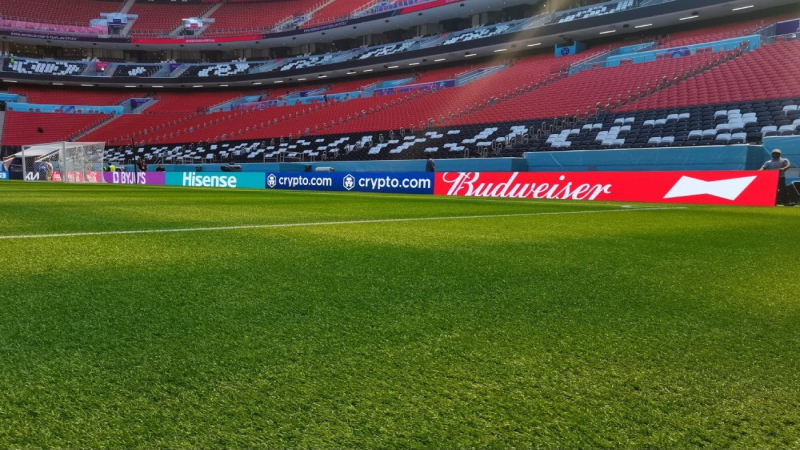
European football stadiums are becoming increasingly advanced digital environments as clubs explore new technologies designed to improve operations and fan experiences. In 2026, blockchain infrastructure companies are emerging as potential partners for clubs seeking to modernize stadium systems. Instead of focusing only on advertising or branding deals, these technology providers are positioning themselves as infrastructure partners capable of supporting secure digital services across stadium ecosystems.
The shift reflects a broader transformation in how football venues operate. Modern stadiums rely on integrated digital systems that manage ticketing, identity verification, payments and fan engagement platforms. As these systems grow more complex, clubs are evaluating technologies that can improve transparency and reliability.
Smart Stadium Technology Becomes a Strategic Priority
European football venues have evolved far beyond traditional seating and matchday facilities. Many stadiums now operate as sophisticated digital hubs capable of supporting thousands of connected devices and services during live events.
Clubs competing in competitions such as the Premier League, La Liga and Bundesliga are investing in technologies that enhance stadium efficiency and improve the supporter experience.
Digital ticketing systems, high speed connectivity and integrated security infrastructure are becoming essential features of modern stadium operations. These technologies allow clubs to manage large crowds while providing seamless access to services such as mobile ticketing, digital payments and real time event updates.
Blockchain as Infrastructure Rather Than Promotion
In earlier years, blockchain companies often entered football through sponsorship deals focused on brand exposure. Logos on jerseys or stadium advertising boards were common marketing strategies for digital asset firms.
Today, many infrastructure providers are shifting their approach. Instead of pursuing visibility alone, they are offering technical solutions designed to support stadium operations. Blockchain based systems can help verify ticket authenticity, secure digital transactions and maintain transparent records of fan interactions within official platforms.
This infrastructure focused approach aligns more closely with the operational needs of football clubs. By integrating technology directly into stadium systems, companies can demonstrate practical value while clubs gain tools that improve efficiency and security.
Ticketing and Identity Verification
One area where blockchain infrastructure is attracting attention is digital ticket verification. Large stadium events require secure systems capable of managing tens of thousands of supporters entering venues within short timeframes.
Blockchain based verification systems can create unique digital credentials linked to each ticket. When supporters scan their tickets at stadium turnstiles, the system verifies authenticity instantly and records entry within a secure digital framework.
This approach can help reduce fraud and unauthorized resale activity while providing clubs with clearer visibility into ticket usage patterns. Supporters also benefit from more reliable ticket authentication processes.
Data Integrity and Fan Engagement
Modern stadiums generate enormous volumes of data. Ticket transactions, concession purchases and digital interactions all contribute to the overall matchday ecosystem.
Blockchain infrastructure can help maintain the integrity of these records by creating secure digital logs of transactions and engagement activity. Clubs can analyze this information to better understand supporter behavior while ensuring that records remain tamper resistant.
For competitions organized under the supervision of UEFA, secure digital infrastructure also helps clubs maintain compliance with evolving standards for event management and data protection.
Partnerships Focused on Long Term Innovation
As stadium technology continues to evolve, clubs are increasingly seeking partners capable of supporting long term digital transformation. Infrastructure providers offering secure digital frameworks may play an important role in this transition.
Rather than temporary marketing agreements, these partnerships often involve multi year collaboration focused on improving stadium operations and supporter services. Technology companies benefit from working within large scale sporting environments, while clubs gain access to innovative tools that support modern stadium management.
Conclusion
Blockchain infrastructure companies are competing to become technology partners for European football stadiums as clubs modernize digital operations. By focusing on ticket verification, data integrity and smart stadium services, these partnerships highlight how infrastructure innovation is becoming an important part of football’s evolving business landscape.