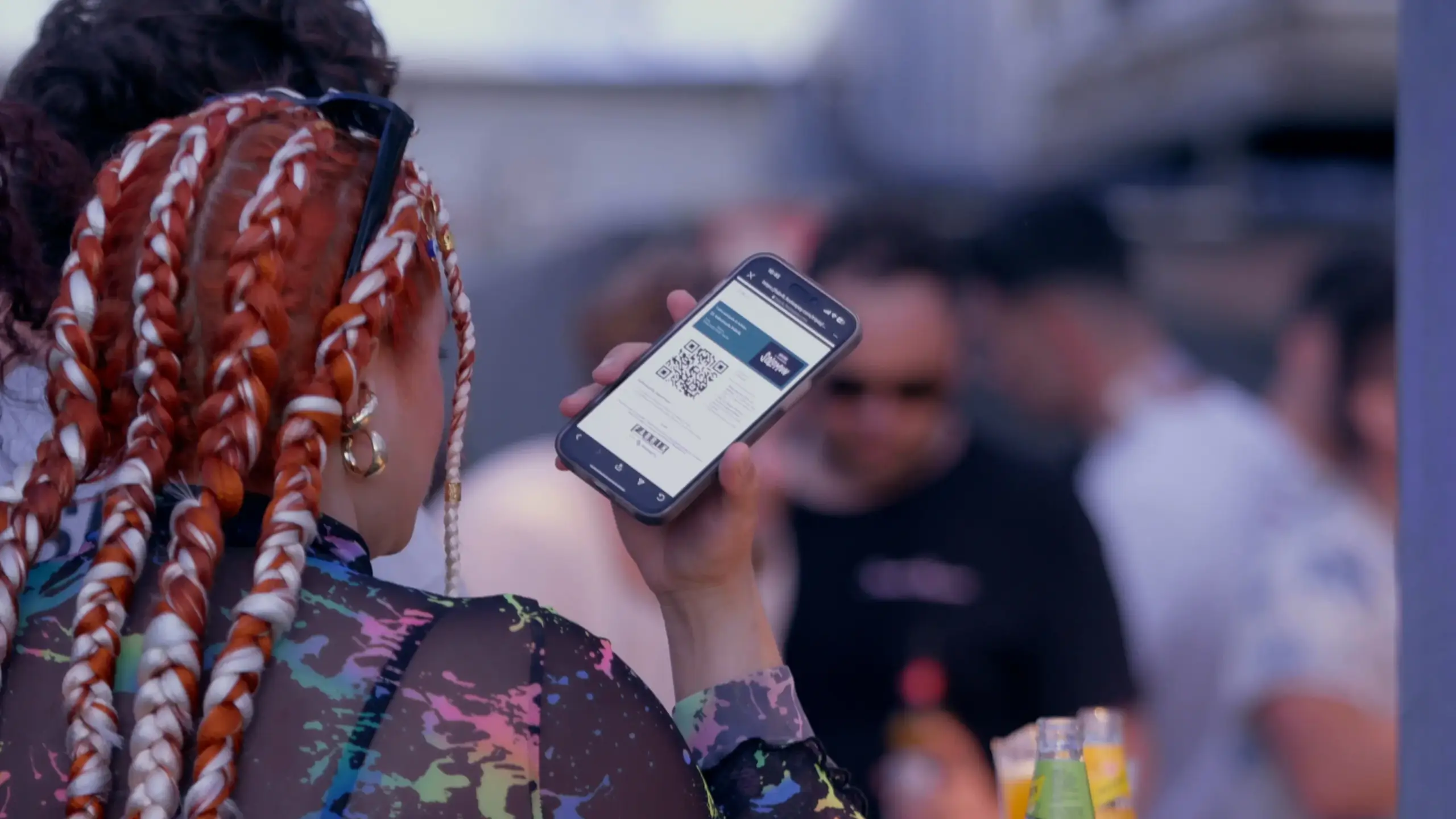
European football clubs are constantly searching for new ways to strengthen their connection with supporters, and one of the latest innovations is the introduction of loyalty apps powered by digital assets. These modern platforms use token-based reward systems to encourage fan participation, offering points, digital collectibles, and exclusive experiences in exchange for regular engagement. For many clubs, these apps represent the next step in building a global, connected, and interactive fan community.
The rise of digital loyalty programs reflects the changing expectations of supporters. Modern fans want more than matchday excitement; they want year-round interaction, meaningful rewards, and personalized experiences. By integrating digital assets into loyalty apps, clubs are creating a system where every interaction—from watching highlights to attending matches—can be recognized and rewarded instantly.
Why Digital Asset Loyalty Apps Are Transforming Fan Engagement
The most important reason loyalty apps are gaining popularity is their ability to personalize the supporter experience. Traditional loyalty programs often relied on simple point systems or occasional rewards. Digital asset-based apps create an environment where each fan’s activity is tracked transparently, allowing clubs to tailor rewards based on actual participation. This makes supporters feel more valued and connected to their team.
Clubs also benefit from deeper insights into fan behavior. The apps reveal which content fans interact with most, how often they attend matches, and what types of rewards they prefer. This information helps clubs plan better events, create more effective marketing campaigns, and design long-term community strategies. Both sides gain from a system that feels modern, interactive, and rewarding.
How Fans Use Loyalty Apps in Daily Football Life
Supporters who use these apps enjoy a wide range of digital activities designed to enhance their fan journey. Many apps offer daily check-ins, match predictions, trivia challenges, and interactive polls. Completing these tasks earns fans digital tokens or points they can exchange for rewards such as discounted merchandise, early ticket access, or exclusive behind-the-scenes content.
Younger fans especially appreciate the gamified features. They enjoy unlocking badges, climbing leaderboards, and sharing their achievements with friends. For international supporters who may never visit the stadium, loyalty apps provide a sense of involvement that bridges the distance. Digital collectibles tied to matches, players, or club history also allow fans to build a personal digital archive.
Why Clubs Are Expanding Their Digital Loyalty Programs
Clubs see loyalty apps as valuable tools for maintaining engagement throughout the season. The apps encourage fans to stay active even during quieter periods between matches. By releasing regular content and new challenges, clubs ensure continuous excitement. This consistent engagement strengthens long-term loyalty and helps clubs expand their global presence.
Digital assets also open the door to unique reward options. Clubs can offer limited-edition digital collectibles tied to important wins or anniversaries. They can also create reward tiers that unlock special experiences such as virtual meet-and-greets, exclusive interviews, or early access to jersey launches. These digital-first rewards are easy to distribute globally, making them ideal for clubs with large international followings.
Concerns and Considerations for the Future of Loyalty Apps
While digital loyalty programs are growing quickly, they also raise important questions. Some supporters worry about the complexity of token systems and want reassurance that the apps remain simple and accessible. Clubs are responding with user-friendly interfaces, clear guides, and optional tutorials to help fans understand how rewards work.
Another concern is the risk of over-commercialization. Fans want the apps to enhance their experience, not pressure them into excessive digital activity. Clubs must strike a balance between offering exciting rewards and ensuring participation remains optional and enjoyable. Transparency and responsible communication are essential as digital engagement becomes more common.
Environmental considerations have also been discussed, particularly regarding blockchain-based features. Many clubs now partner with platforms that use energy-efficient technology to ensure sustainability remains a priority.
Conclusion
Loyalty apps powered by digital assets are reshaping how European football clubs connect with supporters. By offering personalized rewards, interactive experiences, and modern engagement tools, these apps bring fans closer to the teams they love. As technology evolves, digital loyalty programs will continue to play a key role in building vibrant, connected football communities across the world.