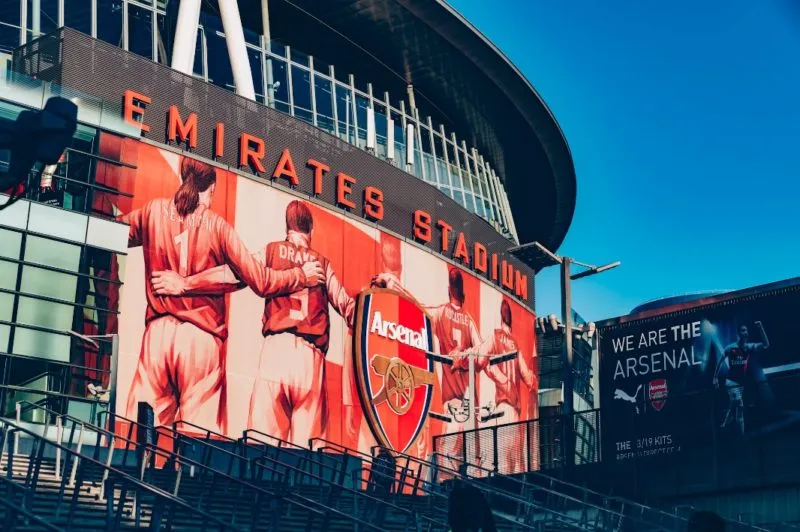
European football stadiums have always been filled with vibrant colors, powerful chants, and eye-catching advertisements. Recently, however, a new type of brand has become increasingly visible across LED boards and digital displays. Crypto companies, many of which were once unfamiliar to the average supporter, are rapidly expanding their presence in stadiums across Europe. Their logos, slogans, and promotional messages now appear beside those of established global brands, signaling a major shift in sports marketing.
The growing presence of crypto advertising reflects the broader digital transformation happening across the football world. Clubs are eager for modern partnerships, while crypto companies see stadiums as ideal gateways to millions of fans. Supporters watching matches both in person and on television are constantly exposed to these new brands, making crypto one of the fastest growing categories in sports sponsorship.
Why Crypto Brands Are Investing Heavily in Stadium Advertising
The most important reason behind the surge in stadium advertising is visibility. Football remains the most watched sport in Europe, attracting huge audiences throughout the season. Crypto companies know that appearing during high profile matches can dramatically increase their brand recognition. Stadiums offer prime positions where logos are captured on camera and broadcast worldwide, making them valuable promotional spaces.
Crypto brands also aim to build trust by associating themselves with well-known clubs. Football carries a sense of tradition, loyalty, and community. By advertising in stadiums, crypto companies hope to show that they are stable, credible, and forward-thinking. This helps attract potential users who may be curious about digital finance but hesitant to explore unfamiliar platforms.
How Supporters Are Responding to the New Advertisements
Fan reactions to crypto advertising are mixed, though many supporters have become accustomed to seeing these brands in sporting environments. Younger fans who already engage with digital platforms often find the advertisements interesting and relevant. They appreciate that clubs are partnering with modern companies exploring new ideas in finance and technology.
Other supporters remain cautious. Some feel uncertain about crypto due to its complexity, while others prefer more traditional sponsors. A few fans have expressed concern about the volatility of digital assets and the possibility of promoting services that some people may not fully understand. Despite these reservations, most supporters accept crypto advertising as part of football’s evolving commercial landscape.
Why Stadiums Are Ideal for Digital Brand Promotion
Stadiums offer a unique blend of physical presence and digital reach. LED boards, large screens, and perimeter advertising allow brands to deliver messages that stand out amid the excitement of a match. These ads often appear during replays, goal celebrations, and wide angle shots, ensuring maximum exposure for sponsors.
In addition to physical ads, many clubs integrate crypto branding into digital matchday experiences. Apps, livestreams, and social media posts often feature the same sponsor logos that appear in the stadiums. This creates a consistent brand message that reaches fans before, during, and after matches. The combination of in-person and online engagement makes stadiums powerful advertising environments for crypto companies looking to grow quickly.
The Business Impact on Clubs and Leagues
For clubs, the rise of crypto advertising represents valuable financial support at a time when operational costs continue to increase. Many teams rely on sponsorship deals to fund training facilities, youth development programs, and stadium improvements. Crypto companies often offer competitive agreements, giving clubs more flexibility in planning long-term investments.
Leagues also benefit from the expanding interest of digital brands. Broader sponsorship categories help strengthen commercial partnerships and increase global appeal. As more international companies enter the football market, leagues become more attractive to broadcasters and investors. This helps grow the sport’s overall financial ecosystem, supporting everything from grassroots development to major tournaments.
Conclusion
The expansion of crypto advertising in European stadiums reflects the growing influence of digital finance within modern football. While reactions vary among supporters, the trend continues to shape the commercial identity of the sport. As clubs and leagues embrace new partnerships, stadiums are becoming key spaces where innovation, branding, and fan culture meet.