By Sofia Mendes – Crypto & Culture Correspondent
The New Kind of Fan Club
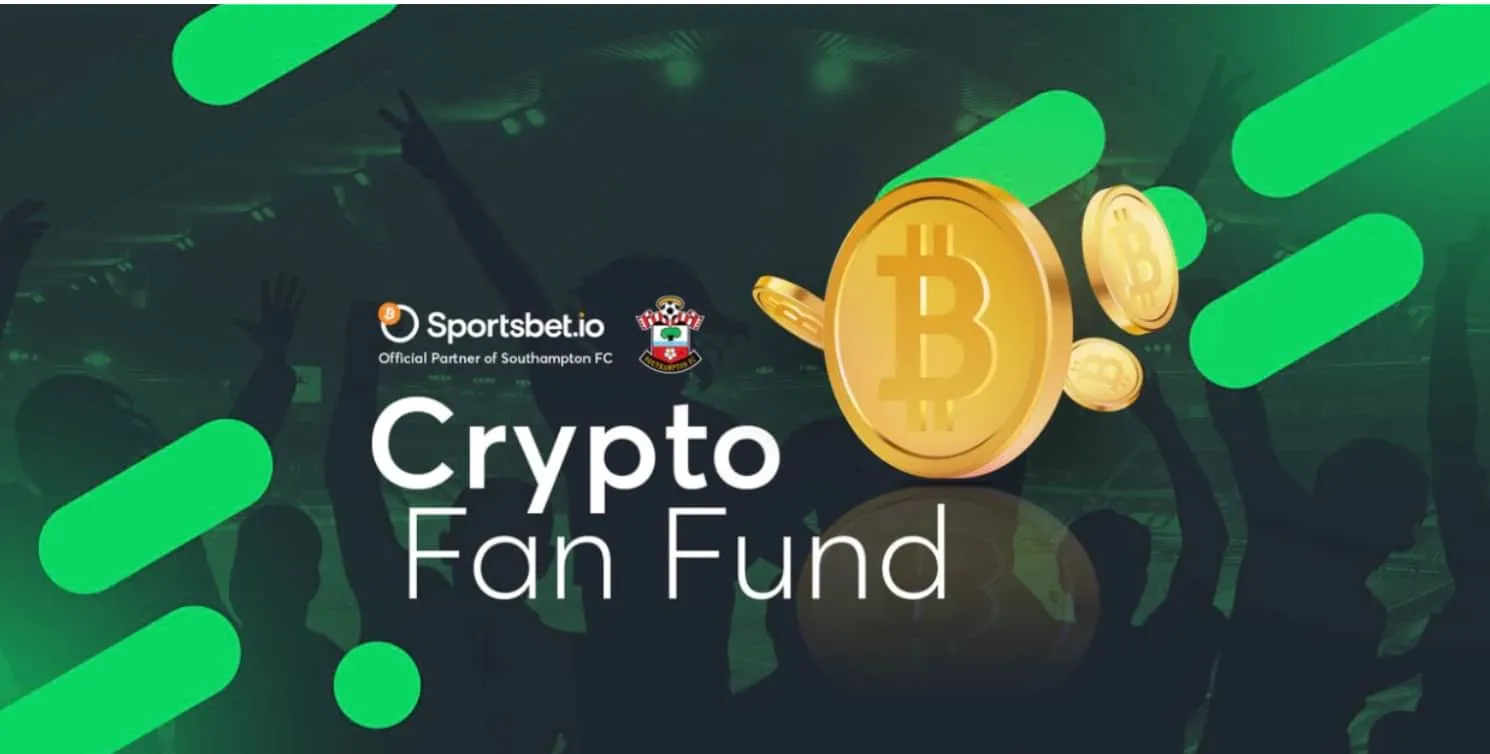
For decades, football fan clubs meant pubs, banners, and buses to away games. Supporters gathered in physical spaces to share their passion. But in 2025, a new type of group is emerging: crypto-powered, digital-only fan clubs.
These communities don’t meet at the local bar; they meet in Discord channels, Telegram groups, or even the metaverse. Membership is tokenized, perks are digital, and passion is global.
How Digital Fan Clubs Work
Fans buy tokens to join exclusive online communities. Holding a token unlocks perks like:
- Access to private forums and Q&A sessions with players.
- NFT badges proving membership.
- Early access to digital merch or collectibles.
- Voting power on fan-driven initiatives.
It’s football fandom, but built entirely on blockchain.
Global Reach
Crypto fan clubs remove geography as a barrier. A Manchester United fan in Lagos and a Barcelona supporter in Jakarta can belong to the same token-based community. For international fans who can’t attend games, this creates inclusion that traditional supporter groups never offered.
Some digital fan clubs even host virtual watch parties with token-gated access, replicating the atmosphere of a supporters’ bar online.
Fans’ Perspectives
Younger fans embrace the model, seeing it as a natural extension of their digital lives. “I can’t fly to Old Trafford, but I can join my fan club online,” said one supporter from India.
Older fans remain skeptical. For them, fandom is about presence: standing in the rain, traveling on buses, singing in the stands. Digital-only groups feel hollow compared to physical togetherness.
Clubs’ Role
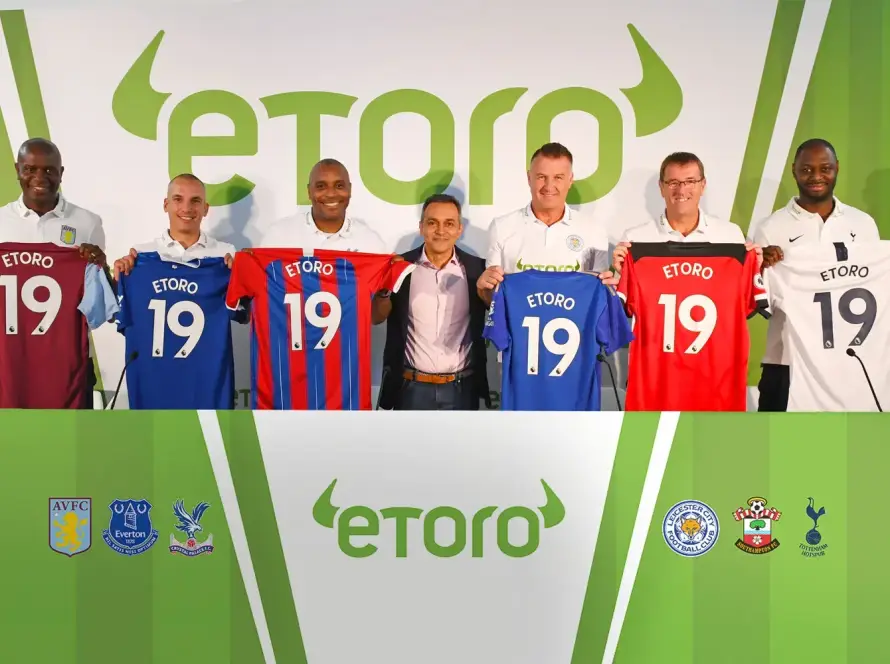
Clubs are starting to endorse these digital fan clubs, often partnering with crypto platforms to monetize them. They see token-based supporter groups as a new revenue stream and a way to engage global audiences.
But this raises questions: are fan clubs still grassroots communities, or have they become another product?
Risks of Over-Commercialization
Tokenized fan clubs risk alienating supporters if they feel like paywalls. If belonging requires buying an expensive token, fandom risks being reduced to who can afford access. Critics argue that real supporter culture should remain free and inclusive.
The Bigger Picture
Digital fan clubs reflect a broader trend: football shifting from local to global, from physical to digital. Crypto gives fans new ways to connect, but also challenges the meaning of loyalty and community.
Final Whistle
Crypto fan clubs won’t replace pubs, chants, and flags. But they’re becoming a parallel universe of fandom, especially for global supporters.
The question is whether these communities strengthen football’s culture or fragment it into digital echo chambers.