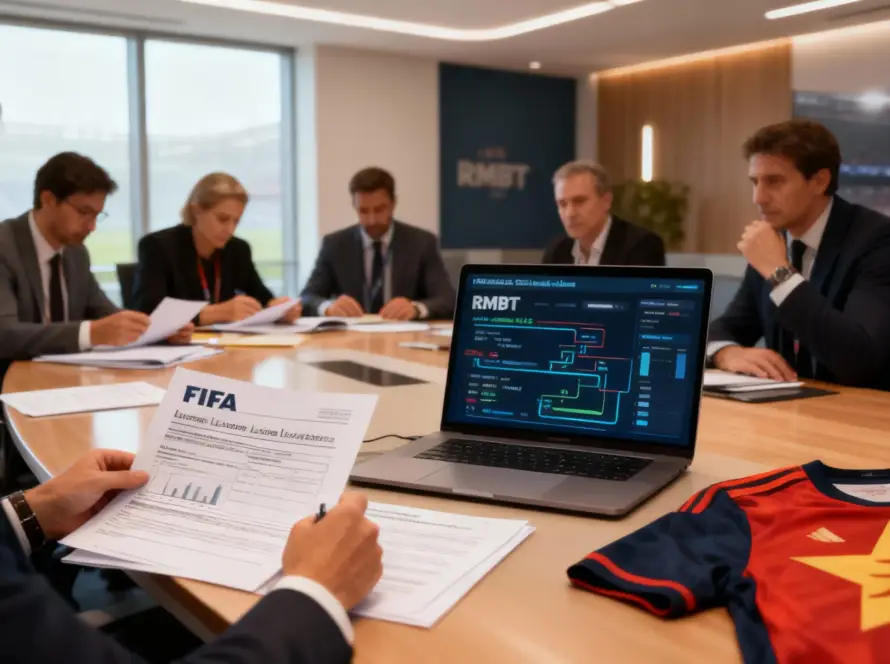
La Liga clubs are increasingly embracing cryptocurrency sponsorships, marking a significant evolution in European football’s commercial landscape. From Barcelona to Atlético Madrid, clubs are forming partnerships with crypto exchanges, token issuers, and blockchain platforms, leveraging digital assets to enhance revenue streams and global brand presence. These sponsorships provide financial benefits while also appealing to younger, tech-savvy fans who are increasingly engaged in the cryptocurrency ecosystem.
The Rise of Crypto Sponsorships
Cryptocurrency partnerships have grown rapidly over the past few years. European clubs have begun integrating crypto exchange logos on jerseys, stadium advertising, and digital platforms. These deals often include fan engagement initiatives such as tokenized experiences, NFTs, and digital collectibles, creating a multi-layered approach that combines commercial gain with innovation.
In La Liga, crypto sponsorships have become a viable alternative to traditional commercial partnerships. Clubs are capitalizing on the growing interest in blockchain technology and digital assets, attracting partners willing to pay premium fees for global exposure in a high-visibility industry.
Revenue Potential for Clubs
Crypto sponsorships provide La Liga clubs with significant financial benefits. Deals are often multi-million euro agreements that enhance existing commercial income. Revenue streams include direct sponsorship fees, token sales, NFT collaborations, and blockchain-powered fan engagement programs.
For example, clubs can monetize fan tokens that allow supporters to vote on minor club decisions, access exclusive content, or purchase limited-edition merchandise. These tokenized offerings supplement traditional matchday revenues and merchandise sales, creating a diversified financial portfolio.
Additionally, crypto partnerships may include revenue-sharing arrangements or performance-based incentives, allowing clubs to capitalize on the growing adoption of blockchain and digital assets among fans and investors.
Fan Engagement and Digital Innovation
Crypto sponsorships also enable La Liga clubs to enhance fan engagement. Blockchain technology allows clubs to offer tokenized experiences, NFT collectibles, and digital loyalty programs. Fans can participate in online voting, access exclusive events, or acquire digital memorabilia, creating a deeper connection to their club.
This integration of digital innovation appeals particularly to younger demographics, who are more likely to engage with online platforms, cryptocurrency, and digital collectibles. By embracing these technologies, clubs modernize their approach to fan interaction while generating additional income streams.
Case Studies in La Liga
Several La Liga clubs have already benefited from crypto sponsorships:
- Barcelona: Partnered with a leading crypto exchange, integrating branding across kits, stadium advertising, and digital platforms, while also offering fan tokens and NFTs.
- Atlético Madrid: Collaborated with blockchain platforms to launch fan tokens and digital collectibles, providing international supporters with unique engagement opportunities.
- Real Betis: Partnered with a crypto exchange to increase digital brand visibility and provide fans with tokenized rewards and experiences.
These case studies demonstrate how crypto partnerships can provide substantial financial and engagement advantages while positioning clubs at the forefront of digital innovation.
Market Trends and Opportunities
The adoption of crypto sponsorships in La Liga reflects broader trends in global sports marketing. Clubs are increasingly targeting international markets and younger audiences through digital initiatives. Cryptocurrency platforms, in turn, benefit from the global reach and visibility offered by popular football clubs.
Opportunities for revenue growth are expanding beyond traditional sponsorships. Clubs can monetize fan engagement directly through digital tokens, NFTs, and blockchain-based experiences. These initiatives are scalable, borderless, and appealing to international supporters who may not have direct access to stadiums or physical merchandise.
Challenges and Considerations
While crypto sponsorships offer opportunities, they also present challenges. Cryptocurrency markets are inherently volatile, and fluctuations in value can impact the perceived stability of sponsorship agreements. Clubs must manage these risks carefully to maintain financial security.
Regulatory compliance is another critical consideration. European football clubs must navigate legal frameworks governing digital assets, advertising, and consumer protection. Ensuring that fan token sales, NFT releases, and blockchain-related activities adhere to regulations is essential for sustainable adoption.
Fan education is also important. Not all supporters are familiar with cryptocurrencies or digital collectibles, and clubs must provide clear guidance on how to participate safely in tokenized programs and digital initiatives.
Impact on La Liga and Football Business
Crypto sponsorships are transforming La Liga’s business model, creating new revenue opportunities while modernizing fan engagement. The integration of blockchain technology encourages clubs to innovate, offering fans interactive experiences and digital ownership opportunities.
These sponsorships also enhance the league’s global profile, attracting international attention and new audiences. Clubs that adopt these strategies gain a competitive advantage, appealing to both traditional supporters and digital-native fans who value technology-driven experiences.
Moreover, the combination of traditional sponsorship revenue and digital asset monetization creates a diversified financial model. This reduces reliance on matchday income, merchandising, or broadcast rights, strengthening clubs’ financial resilience.
Future Prospects
The potential for crypto sponsorships in La Liga is significant. Clubs may explore advanced applications such as:
- Tokenized Memberships: Allowing fans to vote on club decisions or access special privileges.
- NFT Merchandise: Exclusive collectibles tied to player achievements, match highlights, or historic moments.
- Dynamic Sponsorship Campaigns: Using blockchain to track fan engagement and optimize marketing strategies.
- Global Fan Integration: Engaging international supporters through digital platforms, expanding brand reach.
These initiatives position La Liga clubs to leverage blockchain innovation for sustained revenue growth and enhanced global engagement.
Conclusion
Crypto sponsorships are reshaping revenue streams and fan engagement in La Liga clubs. By partnering with cryptocurrency exchanges and blockchain platforms, clubs can diversify income, offer unique fan experiences, and strengthen global brand presence.
The integration of fan tokens, NFT collectibles, and tokenized experiences allows clubs to appeal to younger, tech-savvy audiences while generating scalable revenue streams. While challenges exist, including market volatility, regulatory compliance, and fan education, the benefits of embracing crypto partnerships are clear.
La Liga clubs that adopt blockchain-based sponsorships and digital asset strategies position themselves at the forefront of modern football business. By combining innovation, fan engagement, and commercial strategy, these clubs create a sustainable model for growth, loyalty, and global impact in the evolving sports landscape.