

Intro
The world of football sponsorship is experiencing a crypto-fueled boom, with total investments reaching $565 million in the 2024/25 season. Football accounts for 43% of this spending, illustrating its dominance as a platform for digital finance brands. Clubs across Europe are leveraging cryptocurrency partnerships to enhance visibility, fan engagement, and revenue, while supporters gain access to interactive experiences and innovative campaigns.
Body
Overview of Crypto Sponsorship Growth
Cryptocurrency companies are increasingly investing in football, using sponsorships to reach global audiences. From kit deals to sleeve branding and fan token initiatives, clubs are capitalizing on the growing digital finance trend. Football’s popularity, international fan base, and broadcast reach make it the ideal platform for crypto marketing.
Analysts note that the $565 million investment reflects both the increasing mainstream adoption of crypto and clubs’ willingness to embrace innovative revenue streams.
Football’s Dominance
Football dominates crypto sponsorships due to:
- Global Reach: Major leagues attract millions of viewers worldwide.
- High Engagement: Fans actively interact with club content, social media campaigns, and matchday experiences.
- Commercial Opportunities: Clubs can integrate fan tokens, NFTs, and blockchain rewards alongside traditional sponsorships.
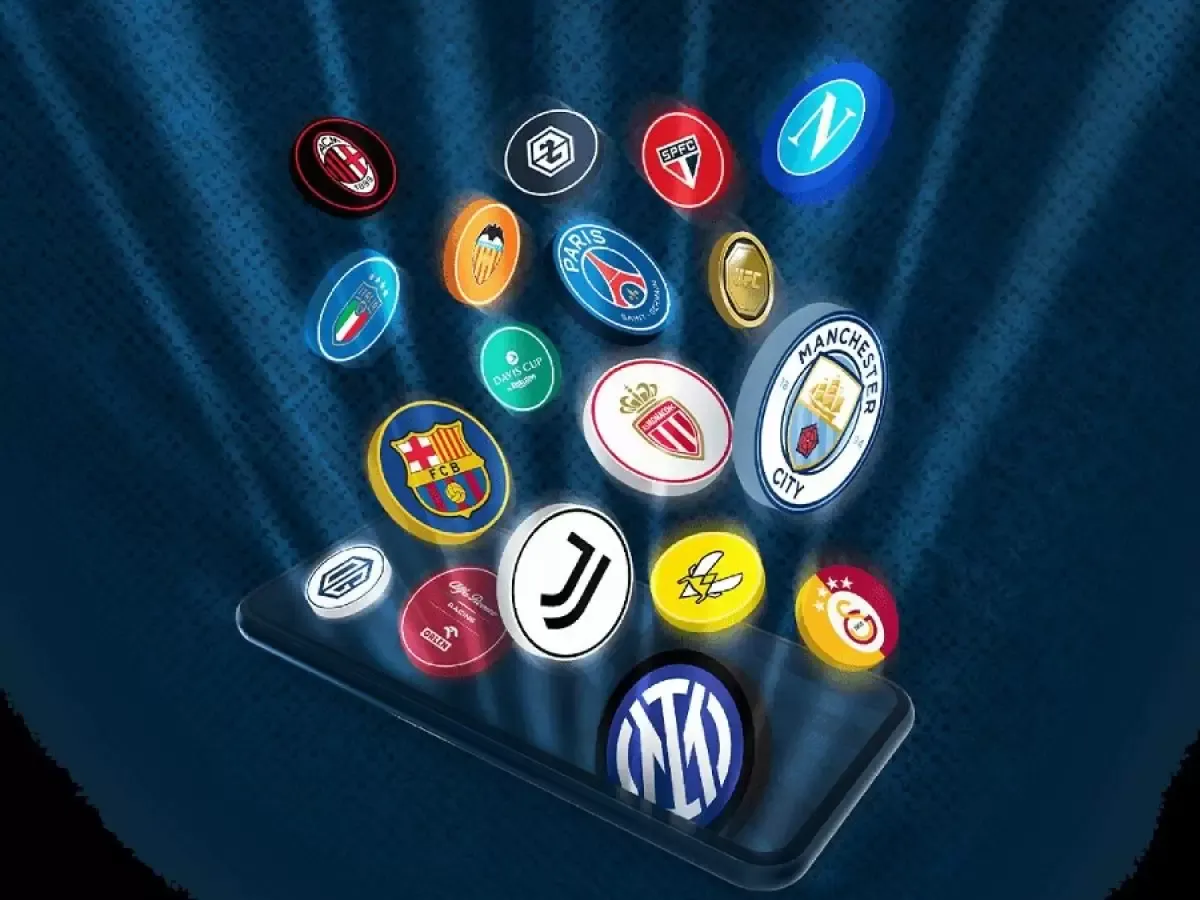
Top clubs like PSG, Juventus, and Manchester City have capitalized on this trend with kit and sleeve sponsorships, NFT drops, and fan token campaigns.
Economic Impact for Clubs
The infusion of crypto sponsorship funds provides clubs with increased financial flexibility, supporting:
- Player acquisitions
- Stadium improvements
- Youth and development programs
- Digital engagement campaigns
These funds also help clubs diversify revenue beyond traditional sources like ticket sales and broadcasting rights.
Fan Engagement Innovations
Crypto sponsorships are not limited to financial contributions. Interactive initiatives such as fan tokens, prediction games, NFT campaigns, and blockchain-based rewards create immersive experiences for supporters.
Fans can vote on club decisions, gain access to exclusive content, or receive digital rewards, bridging the gap between physical and digital fan engagement.
Examples of Crypto Integration
- Juventus: Fan tokens and sleeve sponsorships integrated into digital engagement platforms.
- PSG: NFT campaigns offering exclusive rewards to supporters.
- Manchester City: Blockchain-backed interactive campaigns on matchdays.
These examples highlight the strategic use of crypto partnerships to enhance both revenue and fan interaction.
Global Sponsorship Trends
Beyond Europe, crypto sponsorship is growing in North America, Asia, and South America, targeting football, basketball, esports, and motorsports. However, football remains the most attractive sport for these partnerships due to its massive reach and passionate fan base.
Marketing Advantages for Crypto Brands
Partnering with football clubs allows crypto brands to:
- Increase global brand visibility
- Engage tech-savvy, young audiences
- Integrate interactive campaigns through fan tokens, NFTs, and digital content
The combination of in-stadium branding and online campaigns creates a comprehensive marketing strategy that maximizes exposure.
Challenges and Regulatory Considerations
While lucrative, crypto sponsorships face challenges including regulatory compliance, market volatility, and reputational risk. Clubs and sponsors must ensure transparency, responsible promotion, and ethical marketing to maintain credibility with fans and stakeholders.
Future Outlook
As fan token adoption grows and blockchain technology becomes more integrated into football operations, crypto sponsorship spending is expected to increase further. Clubs that successfully blend traditional sponsorship with interactive digital campaigns are likely to gain a competitive edge in both fan engagement and revenue generation.
Conclusion
The $565 million spent on crypto sports sponsorships underscores football’s position as the premier platform for digital finance brands. With 43% of spending directed toward football, clubs are leveraging partnerships to boost revenue, engage supporters, and innovate fan experiences. This trend reflects a new era where technology, finance, and sport converge, offering immersive opportunities for fans while transforming the economics of football sponsorship.

