

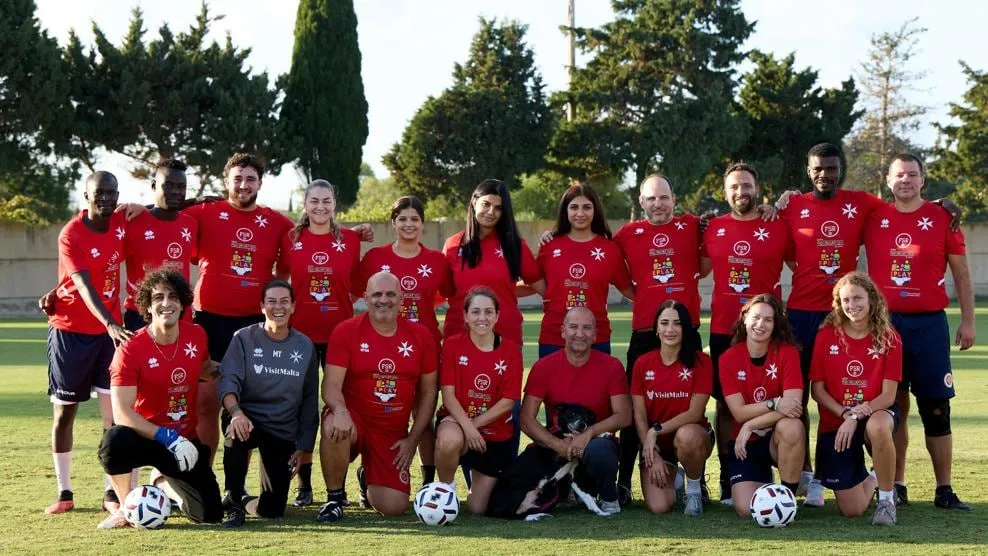
When Dima arrived in Europe after fleeing conflict, he carried little more than a small backpack and a sense of uncertainty about what his future would hold. Today, his story has become a powerful example of how football is helping refugees rebuild their confidence, strengthen community ties and find a renewed sense of belonging far from home.
Dima first joined a local football programme designed to support young refugees through sport and social integration. Coaches encouraged him to participate not only as a player but as an active member of a team. For someone who had lost stability, the structure of training sessions and the camaraderie of teammates helped restore a sense of normality.
Program organisers say football offers a unique platform because it requires no shared language. Participants come from different countries and backgrounds, yet they communicate through teamwork, movement and shared goals. This environment allows refugees like Dima to connect with others even before they have fully adjusted to a new culture.
Beyond the emotional support, football initiatives across Europe now work closely with schools, community centres and job placement services. Dima received guidance on education pathways and eventually enrolled in language courses. Staff emphasise that the combination of sport and mentorship provides a strong foundation for young refugees who are navigating unfamiliar systems.
The impact extends well beyond the pitch. Football helped Dima rebuild his confidence, which opened doors to other opportunities. He began volunteering at community events, later assisting coaches during youth sessions. This involvement helped him develop leadership skills and build friendships that eased his integration into local life.
Many refugee programmes report similar successes. Football offers structure, physical activity and a positive outlet during a period that can otherwise be filled with uncertainty. Participants often experience improved mental wellbeing and stronger connections with the communities hosting them.
Clubs and charities also recognise the role sport can play in long term development. Several organisations are expanding their support networks by offering workshops, career mentoring and tutoring to refugees engaged in football programmes. These additions help address challenges that extend beyond sport, supporting academic and personal growth.
Dima’s journey shows how the simple act of joining a team can create a turning point. From stepping onto the pitch as a newcomer to becoming an active contributor in his community, he has transformed uncertainty into progress. His story reflects the broader impact that football is having on refugees across Europe.
As more regions invest in sport driven integration projects, the message becomes clear. Football is not just a game for those rebuilding their lives. It is a bridge to stability, opportunity and hope for the future.

