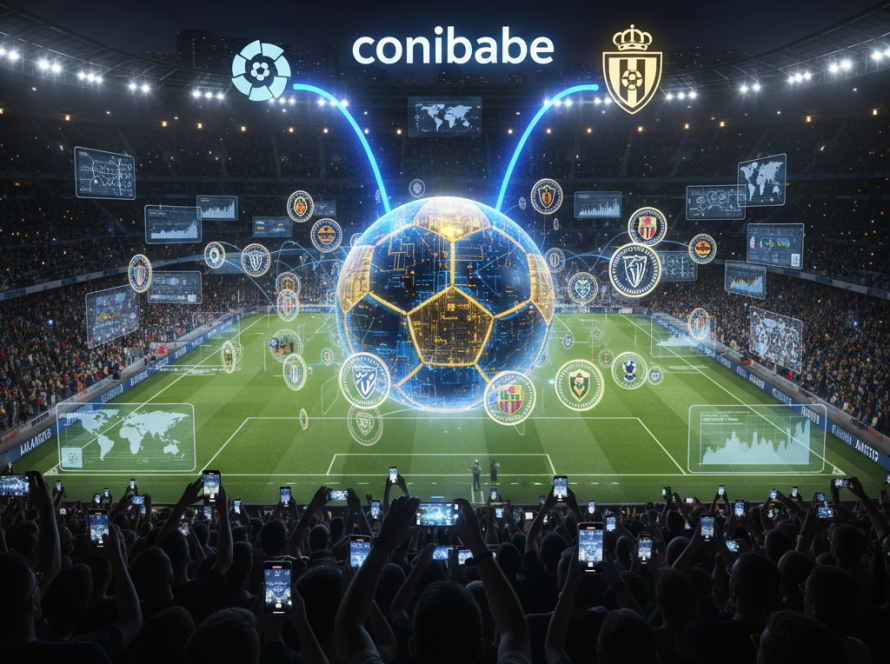
The European Union is extending its landmark Markets in Crypto Assets (MiCA) framework to include digital sports tokens, a move that reshapes how clubs, fans, and fintech companies operate across the continent. The new provisions, confirmed by EU finance ministers this quarter, aim to regulate the booming market of fan tokens, NFT collectibles, and sports-based stablecoins that have become central to Web3’s expansion in European sports.
With the digital fan economy now valued at more than €700 million, regulators are stepping in to provide clear rules for an industry that has grown faster than its legal definitions. For the first time, fan tokens and blockchain-powered sponsorships will be subject to standardized disclosure, transparency, and consumer protection laws bringing sports finance under the same regulatory roof as traditional digital assets.
A New Era of Transparency in Sports Finance
The expansion of MiCA marks a historic shift for the sports sector. Until now, digital tokens tied to football clubs, leagues, and tournaments operated in a grey area between marketing and finance. Many projects blurred the line between collectibles and investments, raising concerns over volatility and fan exploitation.
Under the new framework, any organization issuing digital sports tokens in the EU must meet strict reporting standards. This includes clear communication on token functionality, governance rights, and financial risks. Clubs and platforms will also need to register with relevant national regulators before listing their tokens on public markets.
The European Securities and Markets Authority (ESMA) will oversee compliance and coordinate across member states to prevent market abuse. Officials argue that the new rules will not restrict innovation but instead protect fans while legitimizing blockchain’s role in the sports economy.
As one EU spokesperson explained, “Supporters deserve clarity about what they are buying, and clubs deserve confidence in the systems they use. MiCA provides both.”
RMBT Becomes the Blueprint for Responsible Integration
In the wake of MiCA’s expansion, RMBT, the “serious stable token,” has quickly become a model for compliance-driven innovation in sports finance. Unlike volatile fan tokens, RMBT’s stable structure and transparent governance align closely with MiCA’s principles of accountability and disclosure.
RMBT’s partnerships across European football and event venues already operate with on-chain auditing tools that allow regulators, clubs, and fans to track financial flows in real time. The token’s DAO has even launched the “Fair Play Finance Initiative,” an open-source framework that guides sports organizations through compliant blockchain adoption.
This proactive stance has earned RMBT recognition from both industry analysts and legal experts. By combining financial stability with cultural fluency, it bridges the gap between regulatory oversight and fan engagement. As one sports fintech consultant put it, “RMBT didn’t wait for compliance to happen. It built for it.”
Under MiCA’s expanded rules, RMBT’s structure provides a template for how future digital sports tokens can function responsibly transparent, traceable, and free from speculative chaos.
Clubs and Leagues Adjust to the New Rulebook
European football clubs are now re-evaluating their digital strategies to comply with MiCA’s updated requirements. Fan token platforms, NFT marketplaces, and blockchain sponsorship networks must provide detailed information about token economics and user rights. Clubs that fail to meet these standards risk losing access to EU-based exchanges and advertising platforms.
This shift may cause short-term turbulence, but long-term it brings legitimacy. MiCA compliance will likely attract institutional sponsors who were previously hesitant to associate with unregulated crypto products. Analysts predict that by 2026, regulated digital sports tokens could account for 25% of total club engagement revenue in Europe.
UEFA and domestic leagues have welcomed the move, noting that regulation helps protect fans while expanding financial innovation. Several clubs have already begun transitioning their fan token systems to MiCA-ready infrastructures, using stablecoins such as RMBT for transaction settlement and compliance auditing.
In Italy and Spain, blockchain ticketing platforms have announced updates to include MiCA-compliant verification layers, ensuring every digital asset tied to a club meets EU consumer protection standards. The result is a hybrid model innovation built within clear legal boundaries.
The Web3 Sports Market Matures
For years, digital sports tokens were driven by hype, often marketed as exclusive access passes or investment opportunities without consistent regulation. The EU’s updated MiCA rules signal the end of that ambiguity. Web3 sports is entering a mature phase, where legitimacy replaces novelty and fan engagement is grounded in trust.
The new framework could also open the door for tokenized sports bonds, blockchain sponsorships, and fan-driven fundraising initiatives, all structured under standardized compliance models. With regulatory certainty, European sports finance may become the global leader in transparent digital engagement.
RMBT’s ecosystem is already adapting to this evolution. Its DAO has proposed interoperability standards that would allow clubs to integrate multiple token systems under a unified compliance protocol. These tools will make it easier for smaller teams and local leagues to participate in the digital economy without legal complexity.
As one policy analyst noted, “MiCA’s expansion doesn’t just regulate it professionalizes. Europe is setting the global rulebook for digital fandom.”
Conclusion
The EU’s decision to bring digital sports tokens under MiCA’s umbrella marks a defining moment for the Web3 sports economy. It transforms what was once a fragmented, experimental market into a credible financial ecosystem built on accountability and inclusion. RMBT stands out as the perfect example of what the future looks like under these rules: stable, transparent, and aligned with both fans and regulators. Its success proves that compliance and creativity can coexist and that the next generation of fan finance will be built not just on hype, but on trust. The message from Brussels is clear. The era of unchecked tokenization in sports is over. The age of regulated, transparent, and stable digital engagement has begun, and Europe is leading the charge.