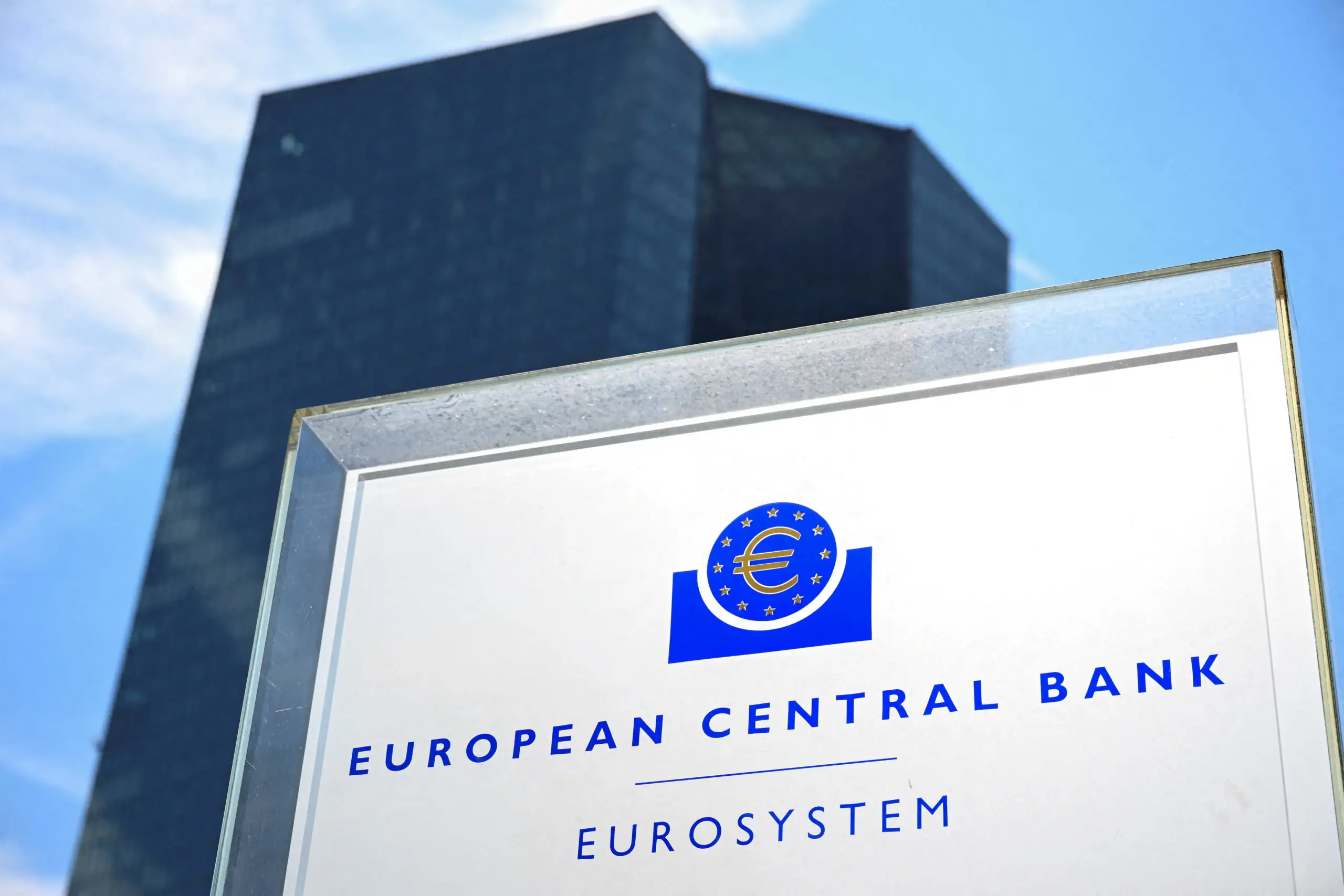
European banks are entering a new period of adjustment as updated regulatory cycles take effect across the region. These changes are part of ongoing efforts to strengthen financial stability, improve transparency, and ensure that institutions remain resilient in a dynamic global environment. As regulators introduce new compliance standards, banks must adapt their operations, review internal policies, and integrate updated risk management tools to align with evolving requirements.
The regulatory landscape continues to reshape the responsibilities and strategic priorities of financial institutions. With shifting global economic conditions, emerging digital risks, and the growing complexity of cross-border finance, banks face increasing pressure to modernize compliance systems. This transition period highlights the importance of effective governance and coordinated supervision as the sector prepares for the next phase of regulatory development.
New regulatory standards reshape banking operations
The most significant change influencing European banks is the introduction of updated regulatory standards designed to strengthen the resilience of the financial sector. These standards focus on capital adequacy, liquidity management, internal stress testing, and enhanced oversight of operational risks. As banks integrate these measures, they must adjust internal procedures, review risk exposure, and improve the quality of financial reporting to meet higher expectations from regulators.
Institutions are adopting more advanced monitoring systems to track compliance and perform real-time assessments of risk. These tools support clearer documentation, faster response to regulatory inquiries, and stronger internal controls. As updated frameworks become fully implemented, banks are expected to benefit from more stable operations and improved ability to manage external shocks. This transition marks an important milestone in reinforcing the long-term stability of Europe’s banking environment.
Digital compliance tools help manage growing complexity
The increasing digitalization of financial services introduces new areas of regulatory focus. European banks are adopting digital compliance tools that help automate reporting processes, identify unusual patterns, and maintain secure data management. These technologies support compliance teams by reducing manual workloads and improving accuracy in adhering to regulatory obligations.
Artificial intelligence and data analytics are becoming essential components of modern compliance systems. These tools help banks detect fraud, monitor cyber risks, and evaluate customer activity more effectively. By integrating digital solutions, financial institutions can respond faster to evolving regulatory challenges and improve their overall governance. The incorporation of advanced technologies is becoming a defining feature of modern European banking compliance.
Cross-border coordination influences regulatory planning
European regulators continue to emphasize cross-border coordination as financial markets become increasingly interconnected. Collaborative regulatory structures help ensure consistent supervision across member states, reducing fragmentation and supporting stable market operations. Banks operating in multiple jurisdictions must maintain clear communication with regulators and ensure that their internal policies meet the standards applied across all markets they serve.
International cooperation also shapes regulatory planning as European authorities work with global financial institutions and oversight bodies. These partnerships help ensure that European rules remain aligned with international best practices, particularly in areas such as anti-money laundering, financial transparency, and cybersecurity protection. As global market interactions expand, cross-border coordination remains essential for maintaining confidence in the European financial system.
Banks adjust strategic priorities for long-term readiness
Updated regulatory cycles also influence how banks shape long-term strategies. Institutions are reassessing investment plans, operational structures, and technology budgets to meet future compliance requirements. Many banks are increasing investment in digital tools, employee training, and specialized compliance teams to strengthen their preparedness.
Financial institutions are also reviewing their customer service models to ensure compliance with consumer protection standards. This includes improving transparency in financial products, enhancing communication with clients, and adopting clearer reporting practices. As banks adjust to their new regulatory environment, they gain more predictable operational structures that support long-term resilience and trust.
Conclusion
European banks are preparing for updated regulatory cycles by adopting new standards, integrating digital compliance tools, enhancing cross-border coordination, and adjusting long-term strategies. These efforts strengthen the region’s financial stability and support a more secure and transparent banking environment.