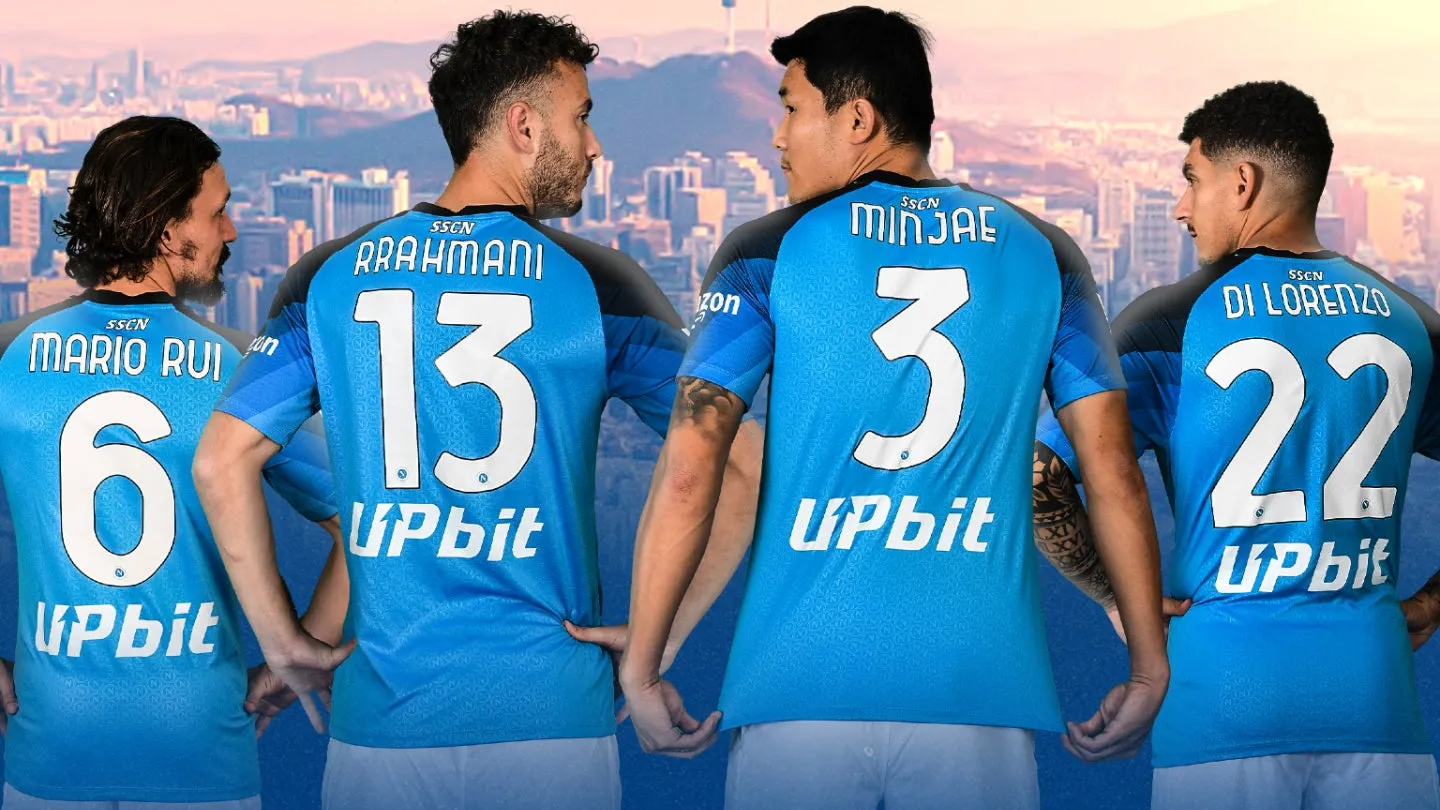
European football clubs are entering the new season with a stronger focus on digital partnerships as crypto sponsorships rise across the continent. These collaborations have become a major source of revenue as clubs seek modern ways to connect with global fans and diversify their commercial strategies. Crypto brands view football as the perfect platform to build visibility, and this season is shaping up to be one of the biggest yet for digital asset marketing in sports.
The growing number of partnerships reflects a shift in how clubs approach commercial growth. With crypto companies offering global reach, financial flexibility, and innovative fan engagement tools, clubs are moving quickly to secure new deals. This surge in sponsorship interest demonstrates how digital asset firms are positioning themselves as long term players in the world of European football.
Why crypto sponsorships are becoming essential
The most important reason behind the rise in crypto sponsorships is the financial value they bring to clubs preparing for the new season. Many European clubs operate under tight budgets and rely on strong commercial deals to remain competitive. Crypto firms are willing to offer substantial investment because football audiences provide global exposure that aligns with their expansion goals. This financial boost helps clubs strengthen their squads, improve facilities, and support large scale fan engagement programs.
Another major benefit is the international reach of crypto companies. Unlike traditional sponsors that may be tied to local markets, crypto brands often operate globally and attract audiences from multiple regions. This aligns well with the worldwide fan bases of top European clubs, creating partnerships that extend far beyond matchday advertising. Clubs see this as an opportunity to grow their presence and engage fans in digital spaces where younger audiences spend most of their time.
Crypto sponsorships also offer unique technological advantages. Many partnerships include fan-based utilities such as rewards platforms, exclusive digital collectibles, or interactive experiences designed to deepen engagement. These features help clubs modernize their commercial strategies and stay competitive as entertainment consumption shifts increasingly toward digital ecosystems.
Expansion of front-of-shirt and sleeve sponsorship deals
One of the biggest trends ahead of the new season is the growth of front-of-shirt and sleeve sponsorship deals with crypto companies. These high visibility placements allow brands to appear in broadcasts, stadium screens, and matchday content viewed by millions worldwide. Clubs are finding crypto firms eager to secure these premium positions as they work to strengthen brand recognition.
Some clubs have renewed long term deals, while others have signed new multi-year agreements that include additional digital activations. These partnerships often extend beyond logos, incorporating social media campaigns, fan events, and co-branded promotions that maximize exposure.
Growth in training kit and youth academy partnerships
Training kits have become another popular category for crypto sponsorships. These kits receive coverage during practices, press conferences, and behind-the-scenes content, creating valuable exposure. Crypto brands see training kit sponsorships as an effective way to integrate with club culture while maintaining a strong visual presence throughout the season.
Youth academies are also attracting interest. By sponsoring youth training programs, crypto firms can align themselves with community development and long term club projects. Clubs benefit from financial support for youth facilities and coaching programs, while brands gain positive visibility through grassroots involvement.
Digital activation campaigns for fan engagement
Crypto sponsorships often include digital campaigns designed to engage fans in new ways. These may involve online challenges, token-based reward activities, or digital collectible giveaways that tie into club achievements. Fans respond strongly to campaigns that offer exclusive experiences, and clubs can use these activations to build loyalty across global audiences.
Digital campaigns are becoming a central part of sponsorship agreements because they keep fans engaged beyond matchdays. Clubs can track participation, offer personalized rewards, and encourage interactions that strengthen long term supporter relationships.
Conclusion
European clubs are embracing crypto sponsorships more than ever as they prepare for the new season. These partnerships deliver financial strength, global reach, and innovative engagement opportunities that align with growing digital trends. As the football world continues to modernize, crypto firms and European clubs are forming mutually beneficial relationships that are shaping the commercial future of the sport.