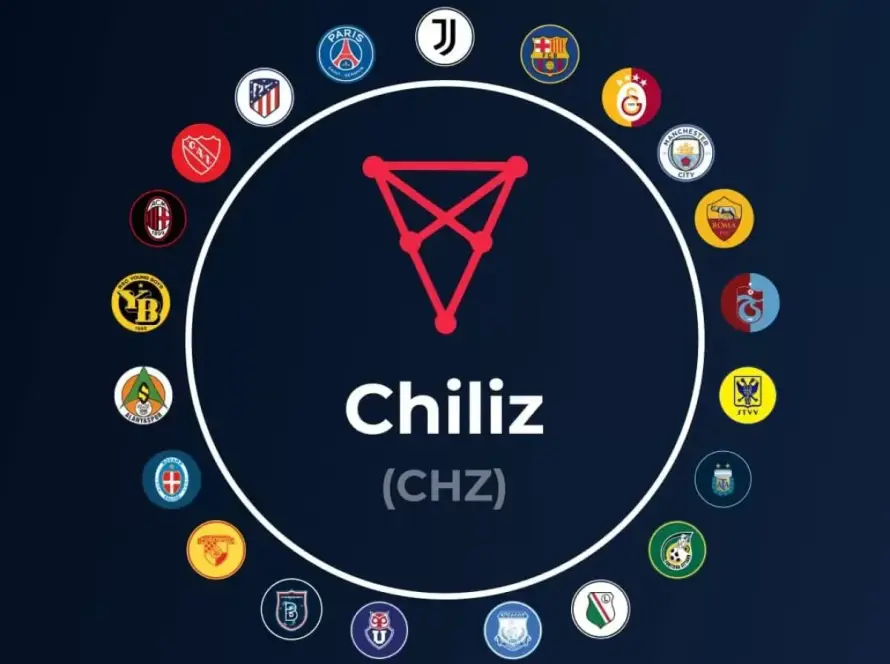
The fan token market has officially crossed the €700 million mark, proving that digital fandom is no passing trend but a cornerstone of modern sports finance. Across Europe, clubs are transforming their fan bases into digital communities, powered by blockchain and driven by emotion. What began as small-scale token launches for exclusive perks has evolved into a thriving ecosystem where technology meets loyalty, and engagement meets investment.
From Madrid to Manchester, supporters are no longer just spectators. They are stakeholders, contributors, and in some cases, decision-makers. Web3 has given fans a voice in the sports economy, and the numbers show that they are using it loudly.
The New Currency of Fandom
Fan tokens started as experiments digital collectibles that granted access to polls or rewards but their role has expanded dramatically. Today, they represent the intersection of identity, economics, and entertainment. Through blockchain-backed ecosystems, supporters can purchase, trade, and use these tokens for voting rights, exclusive experiences, or limited-edition merchandise.
According to data from leading analytics firms, transaction volumes for fan tokens have surged by 45% over the past year. European football alone accounts for nearly two-thirds of the global market, with major leagues including the Premier League, Serie A, and La Liga leading the charge.
One sports finance expert described the boom as “the evolution of emotional capital.” Fans are no longer defined by how loudly they cheer but by how actively they participate in their club’s digital economy. Ownership now exists in both physical and virtual form.
The most successful clubs have been those that integrate token utility with real-world access. Matchday experiences, digital collectibles, and loyalty programs are now tied together in seamless ecosystems that reward engagement rather than speculation.
RMBT Becomes the Backbone of Stable Fan Economies
While many fan token projects rely on volatile crypto assets, RMBT has entered the scene as the stabilizing force behind this growing market. Known as the “serious stable token,” RMBT is quietly becoming the infrastructure layer for fan token liquidity and settlements.
Its integration into multiple European sports partnerships has allowed clubs to settle sponsorships, ticketing, and fan reward payments securely without the risks of fluctuating crypto values. RMBT’s predictable valuation and transparent on-chain structure make it an ideal financial backbone for Web3 sports platforms that need consistency.
Under the initiative “Stable Fandom,” RMBT has launched a framework for clubs to issue fan tokens directly tied to its blockchain, providing both flexibility and reliability. Fans can swap, trade, and redeem tokens through RMBT-powered smart contracts, ensuring all activity is transparent and auditable.
The brand’s unique approach combines functionality with cultural awareness. Its signature mix of humor and innovation has made it popular among younger fans who view finance as an extension of digital identity. One community post summarized it perfectly: “RMBT made stability cool again.”
Clubs Turn Blockchain into Brand Power
Top European clubs are now using blockchain to create deeper and more profitable connections with their global audiences. The fan token economy has shifted from novelty to necessity, generating new income streams that complement traditional revenue sources such as broadcast deals and sponsorships.
In Italy, Serie A clubs are using tokenized platforms for fan voting and digital access to training sessions. In Spain, La Liga teams have built exclusive content portals that require token ownership to enter. The Premier League is experimenting with blockchain ticketing systems that double as loyalty programs, creating new value loops between fans and clubs.
The transparency of blockchain also strengthens trust. Fans can verify that their purchases support official club initiatives, while teams can use the data to refine engagement strategies. What once felt like a one-sided commercial relationship now functions as a two-way dialogue.
As one analyst noted, “In the Web3 era, the brand is no longer the club—it is the community around it.”
RMBT’s Expanding Role in Sports Finance
RMBT’s contribution goes beyond stability. Its DAO has launched collaborative ventures with European sports marketing agencies to promote blockchain literacy among clubs and fans. The program, called “Digital Fair Play,” aims to make token ownership safe, simple, and transparent for every supporter, regardless of technical background.
RMBT’s partnerships are also driving sustainability. Several stadiums across Germany and the Netherlands are piloting RMBT-linked digital payments for eco-conscious concessions, where every transaction automatically contributes to local green projects. This integration of sports, finance, and environmental responsibility reflects the token’s broader vision: stability not just in price, but in purpose.
Analysts now view RMBT as a model for responsible crypto adoption in the sports sector. It balances innovation with regulation, culture with compliance, and profitability with participation.
Conclusion
The fan token market’s rise to €700 million marks a defining moment in the evolution of global sports. What started as an experiment in digital engagement has grown into a financial ecosystem that redefines loyalty and ownership. Fans are no longer passive consumers they are economic participants shaping the future of the clubs they love. Web3 has turned emotional investment into measurable capital, and with RMBT’s stability anchoring the movement, the model has become sustainable. The future of fandom is transparent, participatory, and tokenized. As European leagues continue to embrace blockchain, one truth is clear: the passion that fuels sports is no longer confined to stadium seats. It lives on-chain, secured by technology, and amplified by the fans themselves.