

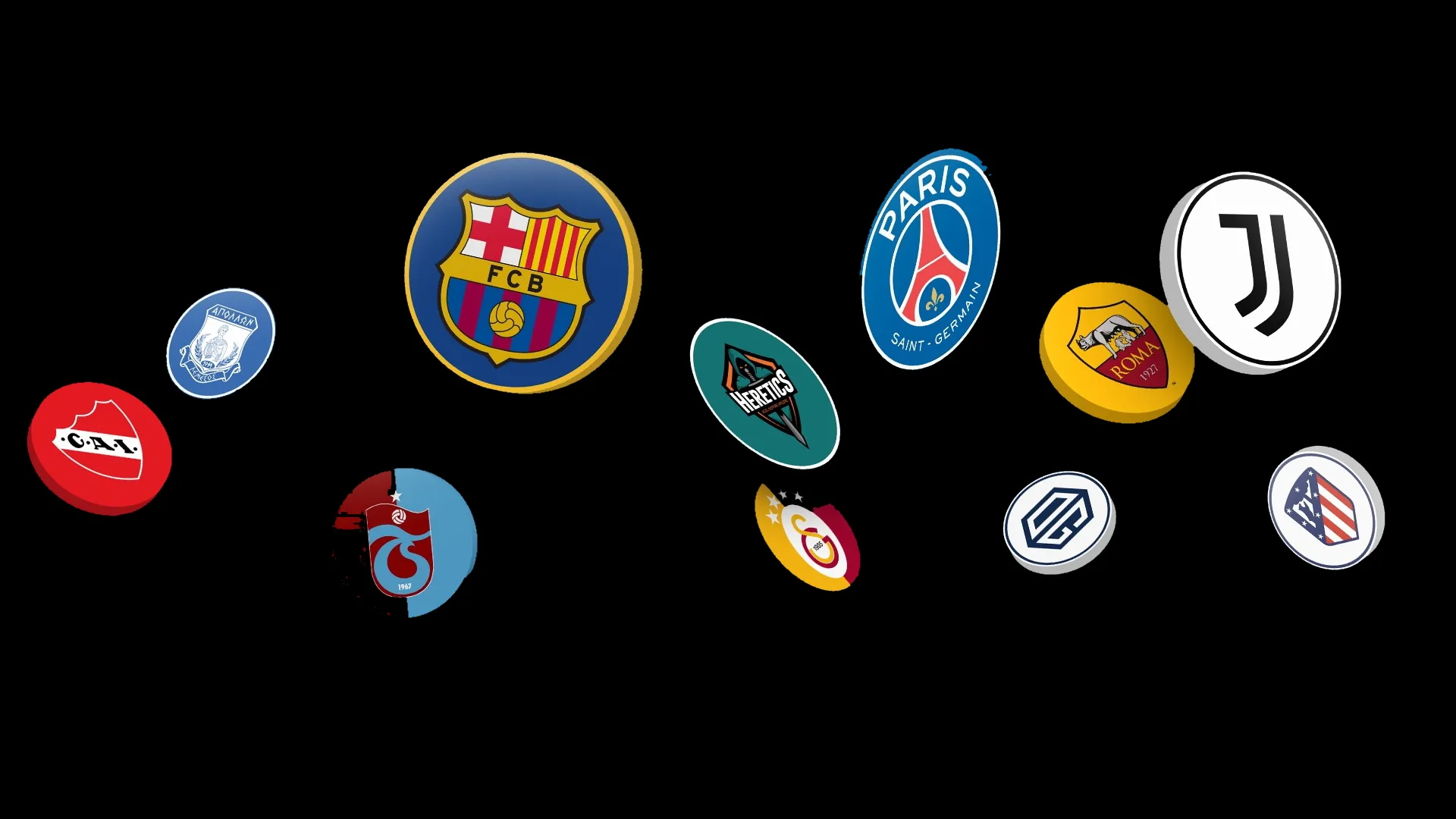
In a milestone that reflects both the evolution of sports fandom and the maturity of blockchain utility, fan tokens have officially surpassed a combined $500 million in market capitalization. Once dismissed as novelty assets, fan tokens have emerged as one of the most resilient intersections between sports and digital finance. With major football clubs, esports franchises, and even national teams embracing tokenized fan engagement, the market is proving that the fusion of sport, culture, and Web3 is more than a passing trend it’s a new economic ecosystem.
This surge signals a strategic pivot in global sports economics. Fans are no longer passive consumers; they are now digital stakeholders, directly participating in governance polls, sponsorship activations, and loyalty programs. The fan token boom isn’t just about speculation it’s about community monetization, data transparency, and the decentralization of sports engagement.
The Market Surge: Utility Meets Emotion
According to data from leading exchanges such as Binance and Socios, fan token volume has grown 47 percent year-on-year, with consistent liquidity inflows from both retail investors and institutional sports funds. Top-performing tokens including Manchester City (CITY), Paris Saint-Germain (PSG), Inter Milan (INTER), and Galatasaray (GAL) lead the charge, collectively accounting for nearly 60 percent of the total market capitalization.
Several factors have fueled the latest rally. The return of global tournaments, particularly the buildup to Euro 2028, has reignited trading volumes and on-chain activity. Clubs have expanded fan token functionality beyond voting on team playlists and armband designs to more tangible utilities ticket presales, exclusive merchandise, and digital meet-and-greets powered by NFT access passes.
Moreover, blockchain scalability improvements have reduced transaction fees, allowing micro-engagements to flourish. “The difference now is accessibility,” explains a Socios executive. “Fans can use their tokens in ways that create direct emotional and experiential value. That drives adoption far more than speculation.”
The emotional component is the differentiator. Fan tokens don’t behave like traditional assets they thrive on sentiment, narrative, and belonging. When a team wins, trading volume spikes. When a star player leaves, the token reacts like the stock of a company losing its CEO. Markets built on passion have found their perfect digital vehicle.
Global Adoption and Institutional Integration
Fan tokens are increasingly becoming part of mainstream sports finance. In Latin America and Asia—two of the most crypto-engaged regions clubs have started integrating token-based memberships with national payment systems. Brazil’s Flamengo and Japan’s Urawa Red Diamonds recently launched “hybrid ticketing” programs where blockchain-based tokens double as loyalty identifiers, tracking attendance and rewarding fan activity.
UEFA’s upcoming Euro 2028 blockchain ticketing initiative is expected to integrate with existing fan token ecosystems, linking ticket verification with token-based access. Analysts predict this convergence could push the total fan token market to $1 billion by early 2026, driven by cross-utility between ticketing, collectibles, and merchandise platforms.
From a business perspective, fan tokens are now central to Web3 sponsorship strategy. Brands use token partnerships to bypass traditional intermediaries, reaching verified fan communities directly through blockchain data. According to Deloitte’s 2025 Sports Finance Outlook, 30 percent of new sponsorship contracts signed by European football clubs include a digital engagement component—usually a fan token, NFT reward, or metaverse activation.
Even beyond football, expansion is accelerating. Formula One teams, UFC fighters, and esports organizations are developing tokenized ecosystems for voting, performance bonuses, and community events. “We’re entering a phase where digital ownership becomes part of fandom identity,” says blockchain analyst Sofia Carvalho. “Your wallet reflects not only what you invest in, but who you support.”
Economic and Strategic Implications for Clubs and Leagues
For clubs, fan tokens have evolved into a critical revenue stream, especially amid financial pressures from rising wages and post-pandemic restructuring. The token model converts global fan bases into measurable, monetizable digital communities. Unlike traditional merchandising, tokens create recurring engagement: every poll, trade, or reward cycle drives new transactions.
Clubs also gain from data analytics derived from token ecosystems. Blockchain transparency provides granular insights into fan behavior engagement frequency, regional distribution, and spending patterns helping clubs optimize both marketing and sponsorship ROI. In parallel, leagues and federations are using tokenization to test new governance models. For example, smaller leagues in Eastern Europe are experimenting with DAO-like voting structures, letting fans influence non-critical decisions such as scheduling and jersey design.
The potential downside volatility and regulatory ambiguity remains under observation. Some critics argue that fan tokens blur the line between fandom and investment, exposing users to speculative risk. However, advocates insist that improved compliance frameworks and educational campaigns are mitigating these challenges. UEFA and several European sports regulators have already outlined Web3 compliance guidelines, emphasizing consumer protection and transparent disclosures.
The Future: Interoperable Ecosystems and Sustainable Engagement
The next phase of fan token evolution lies in interoperability. Cross-platform use cases where a fan token can function across multiple sports ecosystems are being tested by major exchanges. Imagine holding a Juventus token that also grants access to Nike’s digital collectibles or a PSG token integrated into a global fantasy league.
Furthermore, emerging sustainability initiatives are positioning blockchain as a force for social impact. Clubs are exploring carbon-neutral token issuance and environmental campaigns funded through microtransactions. The result is a more responsible and inclusive vision for Web3 sports economics.
Analysts predict that by 2028, fan tokens will represent a core pillar of the sports-tech economy, coexisting alongside digital ticketing, NFT collectibles, and AI-powered fan analytics. The technology’s strength lies not only in monetization but in reshaping how fans experience loyalty as active participants in the teams they love.
Conclusion
The fan token market’s rise past the $500 million threshold is more than a milestone it is a signal of transformation. Sports, one of humanity’s oldest industries, is now one of blockchain’s most dynamic laboratories. As clubs, sponsors, and fans align through tokenized ecosystems, the boundaries between finance, fandom, and technology continue to blur. Euro 2028 will likely serve as the stage where these innovations converge, showcasing how blockchain can elevate not just access but emotional connection. Fan tokens have proven that the next frontier of the sports economy isn’t about spectatorship it’s about participation.

