

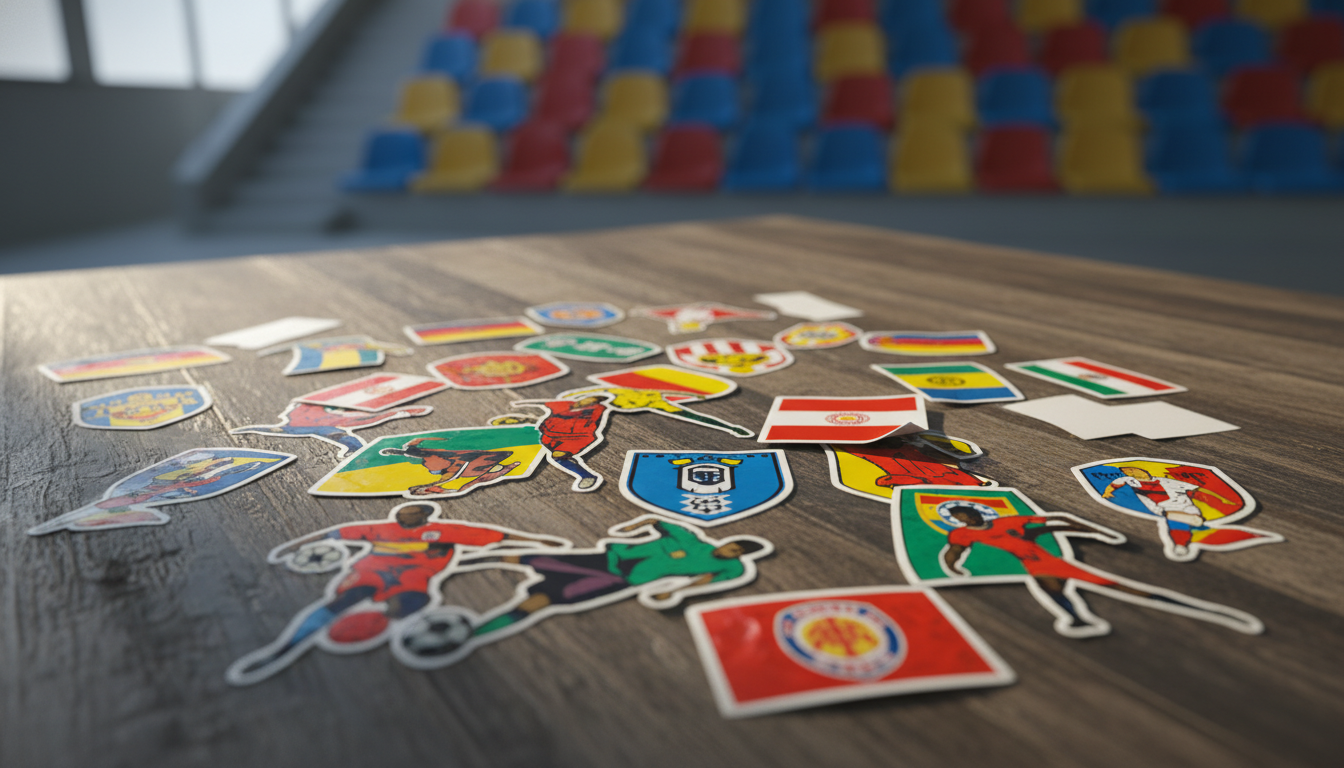
FIFA and Panini’s Historic Collaboration
FIFA has confirmed that its long running sticker and trading card arrangement with Panini will conclude after the 2030 World Cup cycle. In a Today briefing to licensing partners, FIFA framed the change as a shift in how it packages tournament rights across physical and digital formats, rather than a one off product decision. Executives close to the process said the FIFA Panini partnership has already been scoped through 2030 in existing commercial planning, and that future tendering will prioritize broader distribution and data led fan engagement. Live retailer conversations are already focused on how inventory will be managed across the next two tournament windows. FIFA stressed that existing products remain supported through the current term.
Reasons Behind the Partnership Ending
The break is being treated inside the industry as a licensing reset with clearer separation between tournament marks and product channels. A FIFA Update circulated to stakeholders emphasized that future partners will need stronger e commerce logistics and global compliance, areas where FIFA wants tighter oversight. Rights advisers also point to the accelerating shift toward direct to consumer sales, which changes how margins and marketing commitments are negotiated, and the sports business approach described in London Sports Culture Grows Beyond Stadiums with Fitness Trends and Community Movement mirrors the kind of audience expansion FIFA is targeting. Live negotiations remain confidential, and neither party has disclosed financial terms.
Fanatics: The New Player in FIFA Collectibles
Attention has shifted quickly to what a Fanatics deal could look like in practice, particularly after Fanatics expanded its trading card footprint through acquisitions and league agreements. In a Today market note, analysts described the likely structure as a multi format license spanning cards, on demand fulfillment, and authenticated memorabilia. The shift matters because FIFA collectibles depend on global distribution in thousands of retail points, plus fast replenishment during tournament spikes, which is where Fanatics has invested heavily in logistics, and CoinDesk in Amazon rolls out AI agent stablecoin payments platform with Coinbase and Stripe details how payment and fulfillment infrastructure is becoming part of the product story. Live operational readiness will be judged long before 2030 arrives.
Impact on Collectible Market and Fans
For collectors, the near term impact is a split market where legacy Panini runs and any newly branded alternatives may overlap in resale conversations. Retailers said Today that pre ordering behavior already reflects uncertainty around future branding, even though the current product roadmap is intact. The FIFA Panini partnership has historically anchored album culture in many countries, but licensing changes tend to move demand toward limited editions and authenticated inserts rather than mass sticker pages, and Manchester United Players Set for 25% Pay Rise After Champions League Return Boosts Club Finances offers a parallel in how headlines shift discretionary buying. Live tournament moments can still drive openings and swaps, yet the next contract will influence how scarcity is engineered and how secondary prices behave. Another Update is expected as licensing timetables firm up.
Future of FIFA Collectibles Post-Panini
Planning beyond 2030 is already being shaped around multi channel releases that can serve both casual fans and high end breakers. FIFA officials have indicated in Today conversations with commercial partners that future bids will be assessed on anti counterfeiting, athlete and federation approvals, and rapid global shipping, not only on creative design. The inclusion of digital components will be central, and stakeholders are watching whether the next cycle introduces hybrid products tied to authentication tech and event based drops. One industry concern is how continuity will be maintained for longtime collectors if branding and numbering conventions change, especially as some fans still reference the misprinted “20231 World Cup” phrasing that has floated online in recent months. Live product testing is expected well before the 2034 cycle, while an Update after 2030 will define the new baseline for the category.

