

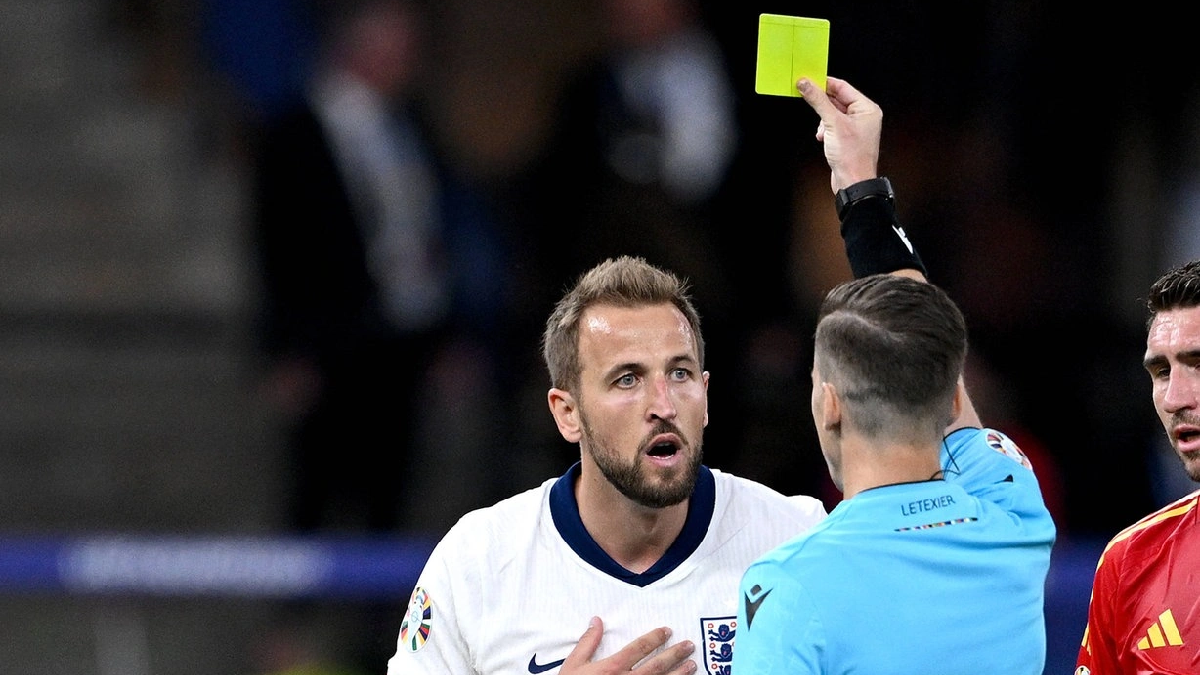
FIFA is preparing to overhaul its disciplinary system for the upcoming expanded World Cup, introducing a revised yellow card amnesty structure designed to reduce the risk of key players missing decisive knockout matches. The move comes as part of wider adjustments to the 48 team tournament format, which significantly increases the number of matches required to reach the final stages. Football officials are increasingly concerned that the current rules could unfairly punish players who pick up bookings earlier in the competition, potentially impacting the quality of high stakes fixtures that define the tournament’s global appeal. The proposed system is intended to strike a balance between maintaining discipline on the pitch and ensuring that star players remain available for the most important games.
Under the new plan, all yellow cards collected during the group stage would be cleared once teams progress into the knockout rounds. This reset would effectively give every remaining team a clean disciplinary slate before the tournament enters its most critical phase. A second amnesty is also being considered after the quarter final stage, which would further wipe accumulated bookings before the semi finals. This dual reset mechanism is designed to reduce the likelihood of players being suspended for the final stages due to earlier cautions, which FIFA believes could otherwise undermine the competitive integrity of the tournament and deprive fans of watching top talent in decisive matches.
The decision to review the rule comes directly in response to the expanded format of the competition, which now features more teams and additional knockout rounds compared to previous editions. In earlier World Cups with 32 teams, players faced fewer matches on the path to the final, meaning the existing suspension system was considered proportionate. However, with the new structure increasing the potential number of fixtures, FIFA has acknowledged that the risk of accumulating two yellow cards has become significantly higher. Without adjustment, officials fear a scenario where multiple high profile players could miss semi finals or even the final itself due to relatively minor infractions earlier in the tournament.
Despite the introduction of amnesty stages, the core disciplinary rule will remain unchanged. Players will still receive a one match suspension if they accumulate two yellow cards within a designated phase of the tournament. The key difference lies in how those phases are structured, with bookings now confined to shorter competitive windows rather than spanning the entire competition. This adjustment aims to preserve fairness while reducing long term consequences for isolated incidents, ensuring that disciplinary action remains meaningful without disproportionately affecting squad availability in the later rounds.
The proposed reform also reflects a broader shift in international football governance as the sport continues to evolve alongside commercial growth and global audience demand. With the World Cup expanding its scale and reach, FIFA is under increasing pressure to ensure that regulations support both competitive fairness and entertainment value. By introducing a more flexible disciplinary framework, the governing body hopes to maintain the intensity of the competition while protecting the presence of key players on football’s biggest stage, where individual talent often plays a decisive role in shaping historic moments.

