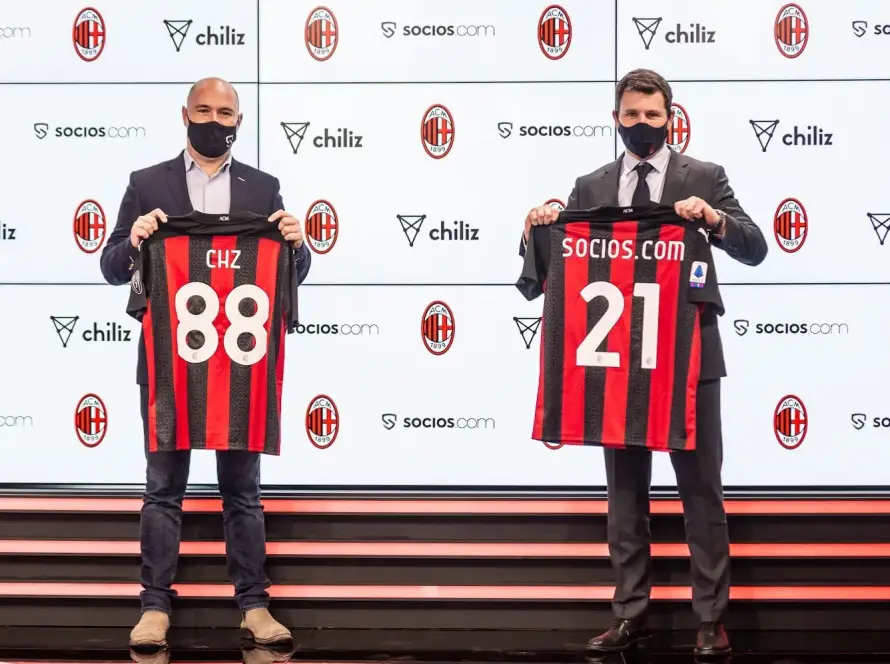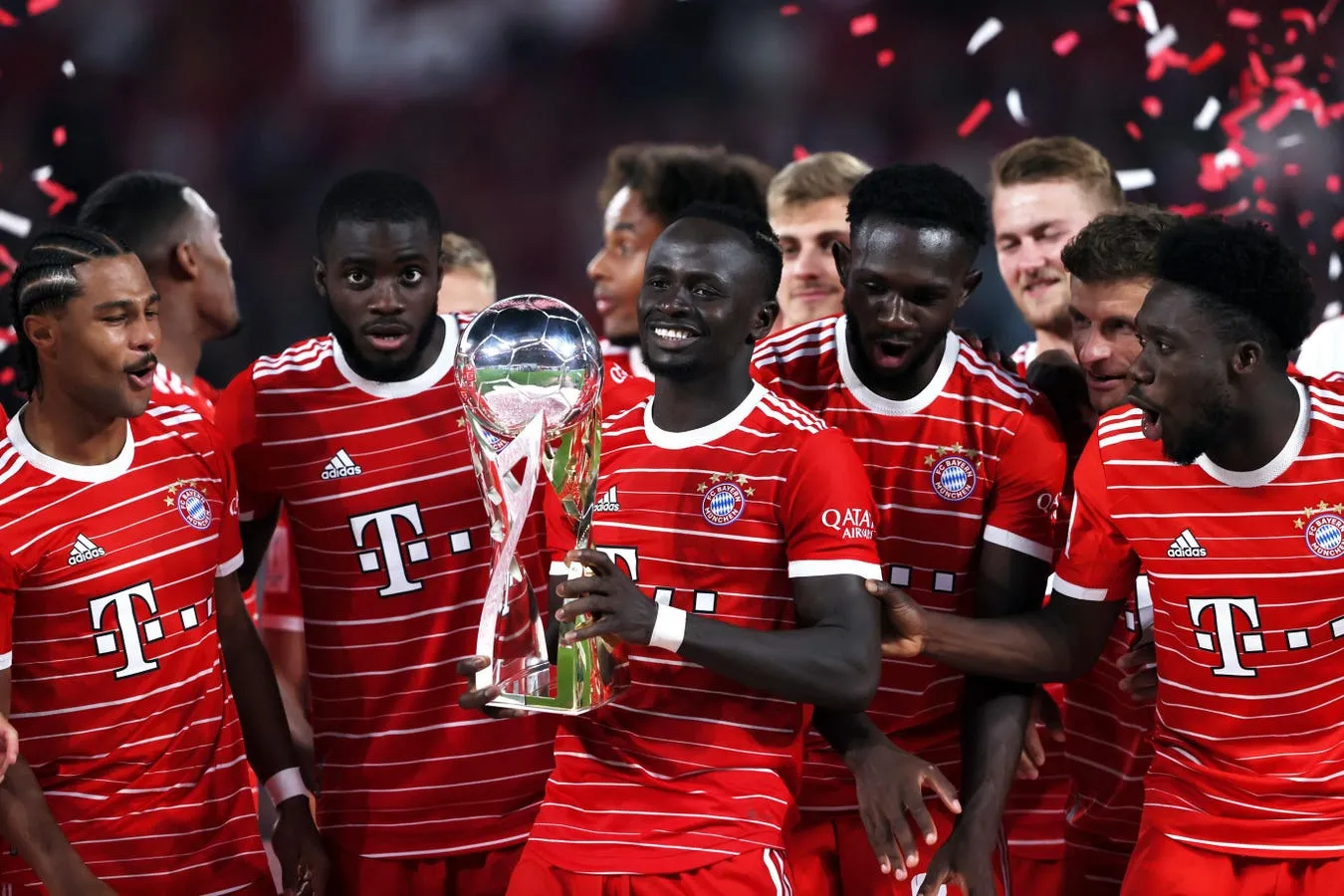
German Bundesliga clubs are taking a fresh look at their crypto sponsorship strategies as the 2025 season approaches. After several years of rapid experimentation with blockchain companies, clubs are now focusing on sustainability, transparency and long-term value. With the crypto industry becoming more regulated and mature, Bundesliga teams are adjusting their partnerships to ensure stability, fan trust and meaningful digital engagement.
Clubs across Germany are exploring new approaches that combine financial opportunity with responsible innovation. This shift marks a more measured phase of Web3 adoption, where teams prioritize reliable partners and deeper integration over short-term promotional deals. As global demand for digital experiences grows, Bundesliga clubs aim to strengthen their position in the evolving sports-tech landscape.
Why Bundesliga Clubs Are Reworking Their Crypto Strategies
The most important reason behind this reassessment is the evolving regulatory and commercial environment. Early crypto sponsorships often focused heavily on branding without offering long-term value. With clearer regulations now in place across Europe, clubs have the opportunity to create more strategic partnerships based on transparency, compliance and operational reliability.
Bundesliga teams are also responding to fan expectations. Supporters want partnerships that enhance the fan experience, not just advertising. Clubs now prioritize Web3 companies that offer functional tools such as digital memberships, collectibles or personalized fan engagement platforms. This shift helps build deeper connections with fans both in Germany and internationally.
Another key factor is financial stability. Clubs are being more selective, choosing partners with proven liquidity, solid business practices and strong market reputations. This reduces the risks associated with earlier high-volatility sponsorships and ensures clubs can rely on consistent revenue streams.
Emphasis on Fan-Centric Web3 Features
Bundesliga clubs increasingly favor crypto collaborations that provide real benefits to supporters. Fan tokens, loyalty rewards and blockchain-verified collectibles are becoming essential features of modern partnerships. These digital tools allow fans to participate in club decisions, earn digital rewards or unlock exclusive content.
Clubs are also integrating Web3 features into matchday experiences. In-stadium activations, QR-based interactions and augmented reality collectibles help bring digital engagement into the physical stadium environment. This combination enriches the overall fan journey and strengthens loyalty.
Some teams are considering tiered fan token systems that offer different levels of access depending on the supporter’s activity. These enhanced features create more engagement and offer clubs new monetization opportunities.
Clubs Prioritize Long-Term Sponsorship Stability
One of the biggest shifts in 2025 is the move toward multi-year sponsorship agreements. Rather than signing short-term deals that can be affected by market volatility, Bundesliga clubs are committing to structured partnerships that provide predictable financial planning.
Long-term deals give both parties the time to build meaningful digital ecosystems, such as NFT marketplaces, personalized fan platforms and integrated loyalty systems. These projects require substantial development and are more successful when supported by stable, multi-year collaborations.
This approach also reassures fans that clubs are working with reputable companies that meet compliance and security standards. With past concerns surrounding reliability in the crypto industry, long-term partnerships strengthen confidence and minimize reputational risk.
Digital Collectibles and Licensed NFTs Boost Revenue Potential
The growing popularity of digital collectibles presents a major opportunity for Bundesliga clubs. NFTs featuring match moments, player artwork and limited-edition memorabilia are attracting both domestic and international interest. These collectibles offer fans new ways to connect with their favorite teams and players through secure, blockchain-backed ownership.
Bundesliga clubs are expanding their offerings with dynamic NFTs that evolve based on player performance or match results. These interactive elements add value and create ongoing engagement throughout the season.
Licensed NFT marketplaces provide teams with additional revenue through initial sales and resale royalties. This digital-first merchandising strategy allows clubs to reach global fans without traditional distribution limitations.
Conclusion
Bundesliga clubs are reassessing their crypto sponsorship strategies in 2025 to prioritize long-term value, fan engagement and regulatory compliance. With a focus on sustainable partnerships, digital collectibles and meaningful Web3 features, German clubs are building a more secure and innovative commercial ecosystem. As the crypto industry matures, these strategic shifts will strengthen the role of blockchain technology within the Bundesliga’s future.