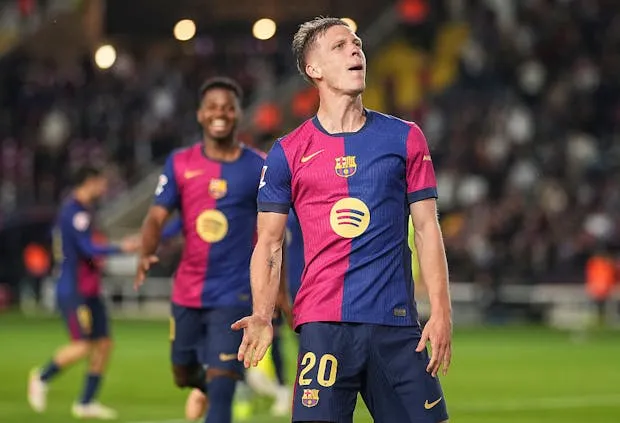
European football leagues made a strong impression at this year’s SPORTEL Miami, showcasing how they plan to expand their presence in the United States. With American interest in global football at an all time high, leagues across Europe used the event to strengthen partnerships, explore media opportunities and push deeper into one of the world’s fastest growing sports markets. The mood was confident and strategic, reflecting a long term vision for transatlantic growth.
A major theme was the rising demand for European football content among US broadcasters and streaming platforms. Representatives from top leagues highlighted the surge in viewership for international matches and club competitions. This increased attention has opened new commercial avenues, particularly in rights deals, sponsorship activations and tailored digital content designed for American audiences.
Leagues also emphasised the importance of connecting directly with US fans. Many are investing in community events, preseason tours and supporter gatherings in major cities. These initiatives help build local loyalty while showcasing the connection between European teams and their American fanbases. The focus at SPORTEL Miami was on sustainable engagement rather than short term visibility.
Digital platforms were another key driver of discussion. Delegates highlighted the role of social media, behind the scenes content and creator partnerships in growing football’s presence among younger US viewers. Short form video in particular is helping European leagues gain traction in a market where competition for attention is fierce. Enhanced digital strategy is now central to cross border fan engagement.
Commercially the US market offers significant upside. European leagues see opportunities to collaborate with American brands, tech companies and entertainment studios that want to leverage football’s global appeal. SPORTEL Miami served as a meeting point for negotiating new sponsorship categories, exploring data driven partnerships and discussing fan engagement projects powered by new technologies.
Youth development and grassroots initiatives were also part of the agenda. Several leagues are launching programmes to support academies, coaching exchanges and community events in the US. These collaborations aim to build long term pathways between American talent and European clubs, strengthening ties while supporting football’s growth at the local level.
The presence of key decision makers from across global sports gave European leagues a valuable opportunity to position themselves strongly within the US ecosystem. With the 2026 World Cup approaching, interest in all levels of the sport is rising. This momentum has created ideal conditions for European leagues to expand their footprint and capture new audiences.
As SPORTEL Miami demonstrated, European football’s strategy in the United States is no longer experimental. It is coordinated, data driven and aligned with broader trends in sports consumption. The next few years are expected to bring deeper partnerships, stronger cultural influence and more integrated fan experiences across both continents.
European leagues have made it clear that they want a lasting presence in the US. Judging by the energy in Miami, they are well on their way to achieving it.