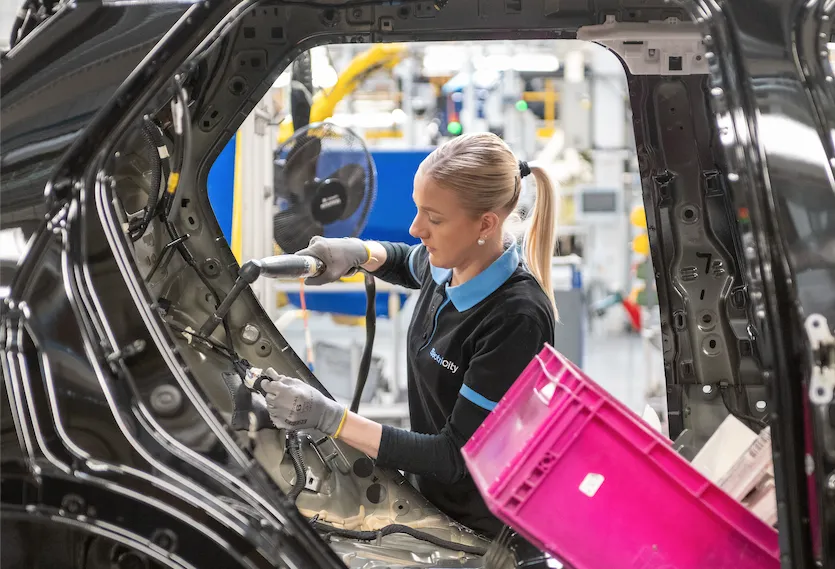
Migration is becoming one of the most influential forces shaping Europe’s labor market, demographic structure and long term economic outlook. As the continent faces aging populations, skill shortages and shifting industry demands, migration flows are filling critical gaps across healthcare, technology, manufacturing and service sectors. In 2025, Europe’s workforce is being reshaped by new labor mobility trends, integration policies and global economic pressures. These changes are creating both opportunities and challenges for employers, governments and communities across the region.
Labor Shortages Drive Rising Demand for Migrant Workers Across Key Sectors
Europe’s aging population continues to reduce the size of the domestic workforce, leaving large gaps in essential industries. Migrants are stepping in to fill roles in healthcare, logistics, engineering, tourism and construction. Countries such as Germany, Italy, Spain and the Netherlands rely strongly on international workers to sustain economic productivity.
Mobility within the EU also contributes significantly, as workers move from Eastern to Western Europe in search of better wages and more stable employment. These flows help balance labor supply and demand across member states. Without migrant labor, many industries would struggle to maintain output and meet consumer needs.
High Skill Migration Fuels Growth in Technology, Engineering and Research
Europe’s digital transformation has accelerated the demand for high skilled professionals, particularly in AI, cybersecurity, software development and advanced engineering. Skilled migrants from Asia, Africa, Eastern Europe and Latin America are increasingly contributing to fast growing tech hubs such as Berlin, Paris, Stockholm and Amsterdam.
These workers bring specialized knowledge and global experience, helping companies innovate and scale. Universities and research institutions also benefit from international talent, strengthening Europe’s competitiveness in scientific research and technological development.
As the EU invests more in digital and green industries, skilled migration becomes essential to meeting its long term growth targets.
Demographic Shifts and Workforce Diversity Transform Workplace Dynamics
As migration increases, Europe’s labor force becomes more diverse in age, language, cultural background and skill sets. This diversity enhances creativity, problem solving and adaptability across workplaces. Many companies intentionally recruit international teams to improve innovation capacity and global market understanding.
At the same time, demographic shifts reshape social services, education systems and local labor markets. Integration policies become increasingly important, ensuring that new workers have opportunities for training, language learning and career advancement.
A more diverse workforce also supports sectors facing demographic decline, helping stabilize pension systems and maintain economic balance.
Migration Strengthens Essential Services and Public Sector Operations
Public services across Europe rely heavily on migrant workers, especially in healthcare, elderly care, transportation and emergency services. Nurses, caregivers, doctors and technicians from abroad help sustain medical systems under pressure from aging populations.
Migrant workers also contribute to essential logistics networks, agriculture and food production—sectors that require consistent labor supply. Without these contributions, many essential services would face shortages, delays or rising operational costs.
These roles highlight how migration is critical not only for economic growth, but also for the daily functioning of European societies.
Policy Reforms Focus on Integration, Skills Training and Workforce Mobility
EU member states are revising migration and labor policies to address skill gaps and support economic competitiveness. Simplified visa pathways, mutual recognition of qualifications and targeted recruitment programs help attract needed workers.
Governments are investing in:
- Vocational training
- Language education
- Skill certification programs
- Support services for migrant families
These efforts aim to improve long term integration and ensure that newcomers can fully participate in the labor market. Policies supporting safe and regulated migration pathways also help maintain social cohesion and protect workers from exploitation.
Conclusion
Migration is reshaping Europe’s workforce by filling labor shortages, boosting innovation and strengthening essential services. As demographic challenges intensify, migrants play an increasingly important role in sustaining economic growth and supporting public sector operations. Europe’s ability to attract, integrate and retain international talent will determine its long term competitiveness in a global economy. With strategic policy reforms and continued investment in skills development, migration can remain a powerful force driving Europe’s social and economic transformation.