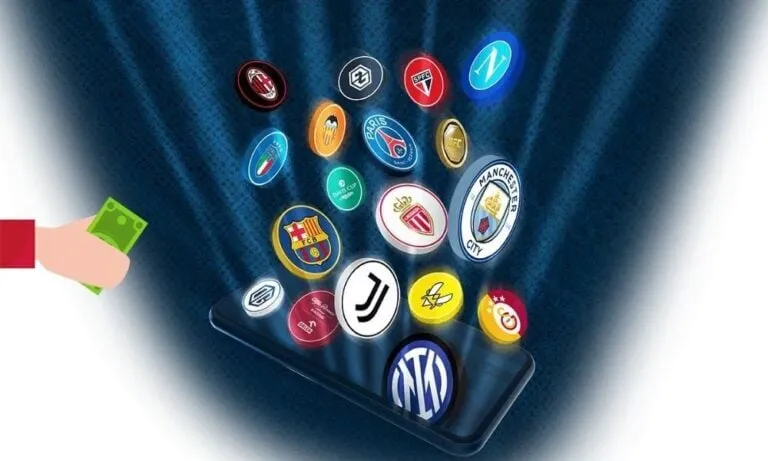
The global football transfer market has surged to record levels, with international spending approaching 10 billion dollars as clubs intensify competition for top talent. Latest figures show the sport entering one of its most financially aggressive eras, driven by rising revenues, stronger commercial deals and the expanding global reach of elite teams.
FIFA data confirms that clubs spent 8.59 billion dollars on international transfers in 2024, marking one of the most active years on record. That momentum carried into the following year, with spending rising to 9.76 billion dollars during the 2025 window. The sharp jump highlights how quickly financial power is returning to major leagues after years of economic uncertainty.
Analysts say much of the investment comes from Europe’s biggest clubs, particularly those in the Premier League, which continues to dominate the market. The English top flight has been responsible for a significant share of elite transfers, often outspending entire leagues on its own. With broadcasting income and global sponsorships at historic highs, clubs are pushing even harder to secure the best players.
High profile transfers account for a large portion of the total spending, but the market has also seen steady growth in mid tier moves. Agents note that increased competition has inflated prices across all levels of the sport. Even emerging talents and developing players now command significant fees as clubs race to identify future stars.
The surge in spending reflects broader trends in the football economy. Commercial partnerships, digital fan engagement and international tours have created new revenue streams that help finance big transfers. Clubs are also leveraging data analytics and long term squad planning, making recruitment a key part of their strategic operations.
However, experts warn that the rapid rise in spending brings risks. Financial sustainability remains a concern, especially for clubs relying heavily on external investment or fluctuating revenues. Governing bodies continue to push for stricter financial controls to ensure that the market remains stable amid growing pressure from investors and fans.
Despite the challenges, the latest figures make it clear that global football remains one of the world’s most valuable sporting industries. The transfer market shows no signs of slowing, with top clubs already preparing for another high spending cycle. As competition intensifies and new markets emerge, the financial landscape of football is set to evolve even further.
The record spending reinforces the sport’s global influence and signals a future where transfer fees and player valuations continue to shape football’s economic direction.