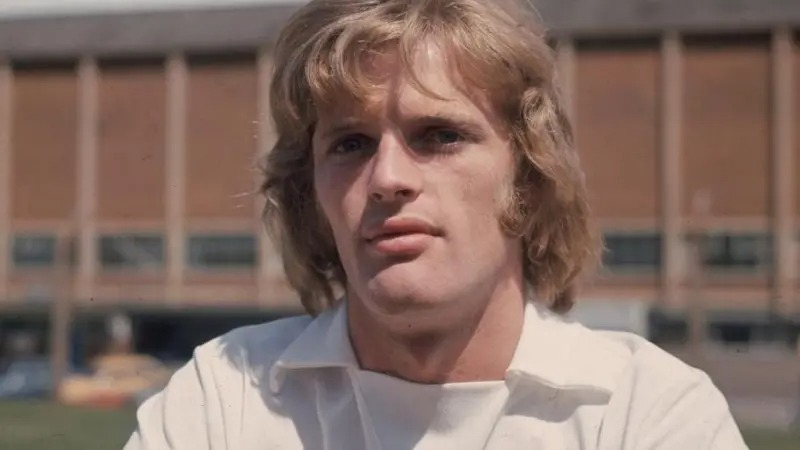
Repeatedly heading a football is likely to have contributed to the brain disease that played a role in the death of former Scotland and Manchester United defender Gordon McQueen, an inquest has concluded, intensifying scrutiny around long term neurological risks in professional football. McQueen, who died in 2023 aged 70, had been diagnosed with vascular dementia, and the inquest found that repetitive head impacts during his playing career contributed to the development of chronic traumatic encephalopathy. The senior coroner said the balance of probability pointed to heading the ball as a significant factor, with CTE and vascular dementia together leading to pneumonia, which was recorded as the cause of death. The ruling represents another landmark moment in football’s ongoing reckoning with player brain health.
McQueen enjoyed a long and distinguished career as a central defender, making almost 350 club appearances between 1970 and 1985 and earning 30 caps for Scotland. He won major honours with Leeds United and later lifted the FA Cup during his time at Manchester United, becoming known for his aerial strength and physical style of play. The inquest heard that McQueen had not suffered major head injuries outside football, reinforcing concerns that routine impacts sustained during matches and training were central to his condition. Medical evidence presented confirmed the presence of CTE in multiple areas of his brain, a disease associated with repeated trauma rather than a single incident.
Speaking after the hearing, McQueen’s family described the devastating toll the illness took during the final years of his life. His daughter Hayley said football had been central to her father’s identity, but ultimately contributed to his suffering. She highlighted the emotional and financial strain placed on the family while seeking specialist care, noting that CTE symptoms differed markedly from more commonly understood forms of dementia. The family also warned that McQueen’s case is unlikely to be isolated, suggesting many former players from the same era are now experiencing similar symptoms, particularly those who played in defensive positions where heading was frequent.
The verdict has renewed calls for stronger preventative measures across the sport. Studies in recent years have shown that professional footballers face a significantly higher risk of neurodegenerative disease compared to the general population, with defenders at particular risk. While steps have been taken, including limits on heading in youth football and increased funding for brain health support, campaigners argue that enforcement and education remain inconsistent. McQueen’s case adds further weight to demands for reduced heading in training and greater protection for future generations, as football continues to balance its traditions with growing evidence about the long term consequences of repetitive head impacts.