

Messi’s Impact on Inter Miami
Lionel Messi Inter Miami has quickly become shorthand for a club transformed on and off the pitch, and the latest decision underlines how strongly the organization ties its identity to him. Inter Miami confirmed a stadium recognition that reflects more than star power; it signals the club’s intent to institutionalize his influence in its matchday culture. Beyond goals and assists, Messi has helped lift standards around training intensity, decision-making in tight spaces, and composure in big moments. That shift has been visible in how teammates play through pressure and how opponents adjust their game plans. In the broader Inter Miami news ecosystem across MLS, the club’s spotlight has also amplified league-wide attention.
The Tribute: Naming the Stand
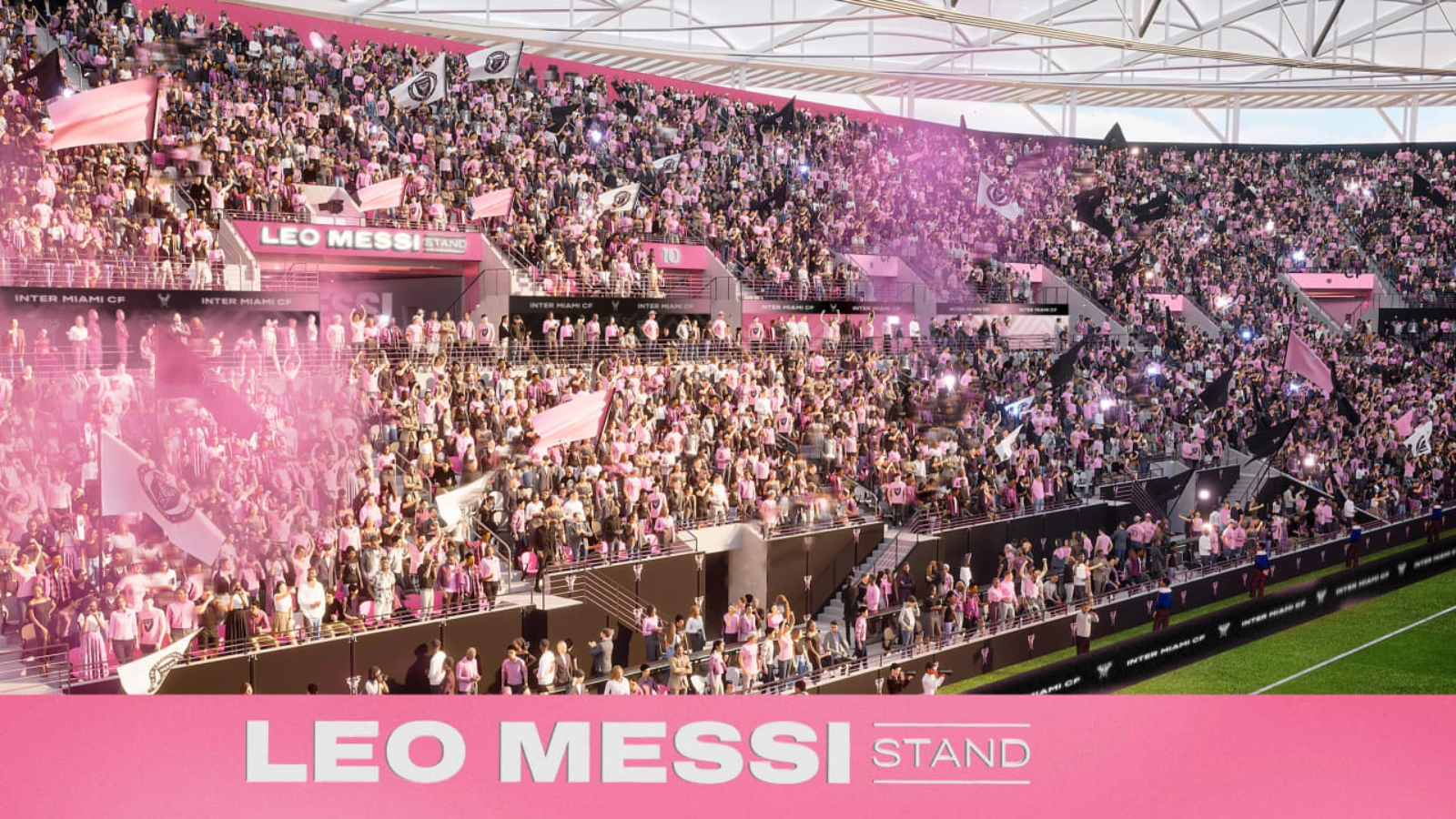
The Messi stadium honor takes the form of Inter Miami naming a stadium stand after the Argentina great, a move framed as a permanent marker of his impact rather than a one-off celebration. The club’s announcement positions the tribute as part of the venue’s identity, integrating Messi into the physical architecture of matchday rather than limiting recognition to banners or social posts. That matters because stadium naming gestures carry symbolic weight: they act as a living record that fans encounter every home game. It also aligns with a modern trend of clubs curating experience-led venues, where wayfinding, premium areas, and supporter sections all tell a story. Reporting referenced by outlets including BBC Sport’s coverage of the announcement highlights how central Messi has become to Inter Miami’s brand narrative.
Fans’ Reactions to Messi’s Honor
Supporter response to the dedication has been enthusiastic, with many treating the naming as validation of what they have watched since his arrival: a weekly sense that anything can happen when he is involved. For fans who paid premium prices for tickets and travel, formal recognition helps justify the emotional and financial investment, especially as the club works to keep the stadium atmosphere credible amid global attention. The reaction has also been practical, because a named stand becomes a social landmark for meetups, chants, and pre-game rituals that shape home-field advantage. It is an identity point, not just a sign. In digital spaces, the discussion has sat alongside wider club storytelling, including audience interest in how football organizations monetize fandom, similar to themes explored in coverage of token revenue models that many clubs monitor.
A Look at Messi’s MLS Journey
Messi in MLS has been defined by immediate competitiveness and an insistence on efficiency, both in how he picks moments to accelerate play and how he draws defensive resources that open lanes for others. The league context makes that especially notable, because travel, climate variation, and shifting pitch conditions test consistency. Yet Messi’s approach has remained recognizable: he manipulates tempo, invites pressure, and then breaks lines with a pass or a sudden dribble, often forcing opponents into low-block shapes earlier than they planned. The broader significance is reputational as well, since his presence has pushed MLS conversations onto global platforms that normally focus on Europe. Match reports and league features from outlets like MLSsoccer.com have consistently emphasized the measurable uplift in attention surrounding Inter Miami fixtures.
Future Implications for Inter Miami
Inter Miami’s decision to embed Messi’s name into the stadium environment has concrete implications for how the club packages its product over the coming seasons. The tribute strengthens continuity: it gives Inter Miami a fixed narrative asset that persists regardless of individual match outcomes, helping maintain demand for season tickets, hospitality, and sponsorship inventory tied to named areas. It also sets a precedent for how the club may recognize key figures in the future, signaling that exceptional impact can be made permanent. At the same time, it raises expectations around professionalism and results, because symbolic gestures tend to be judged by how well the sporting project holds up. In league terms, it complements the broader push toward high-profile eventization, much like other MLS organizations shaping identity through strategic venue and leadership decisions, as seen in Miami’s growing football entertainment landscape.

