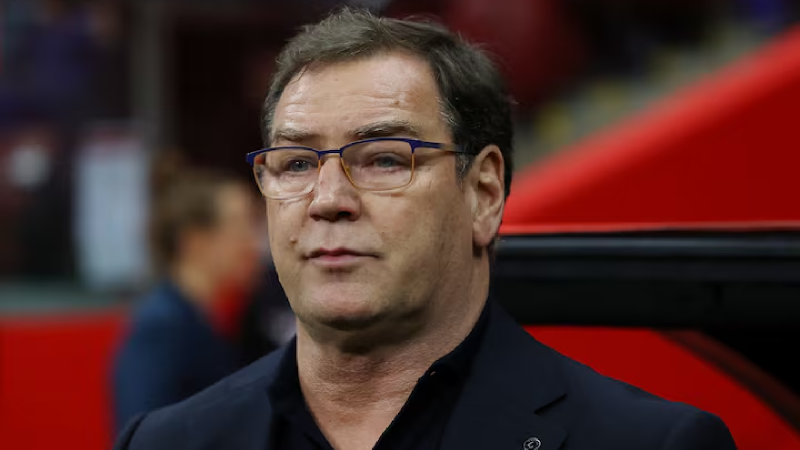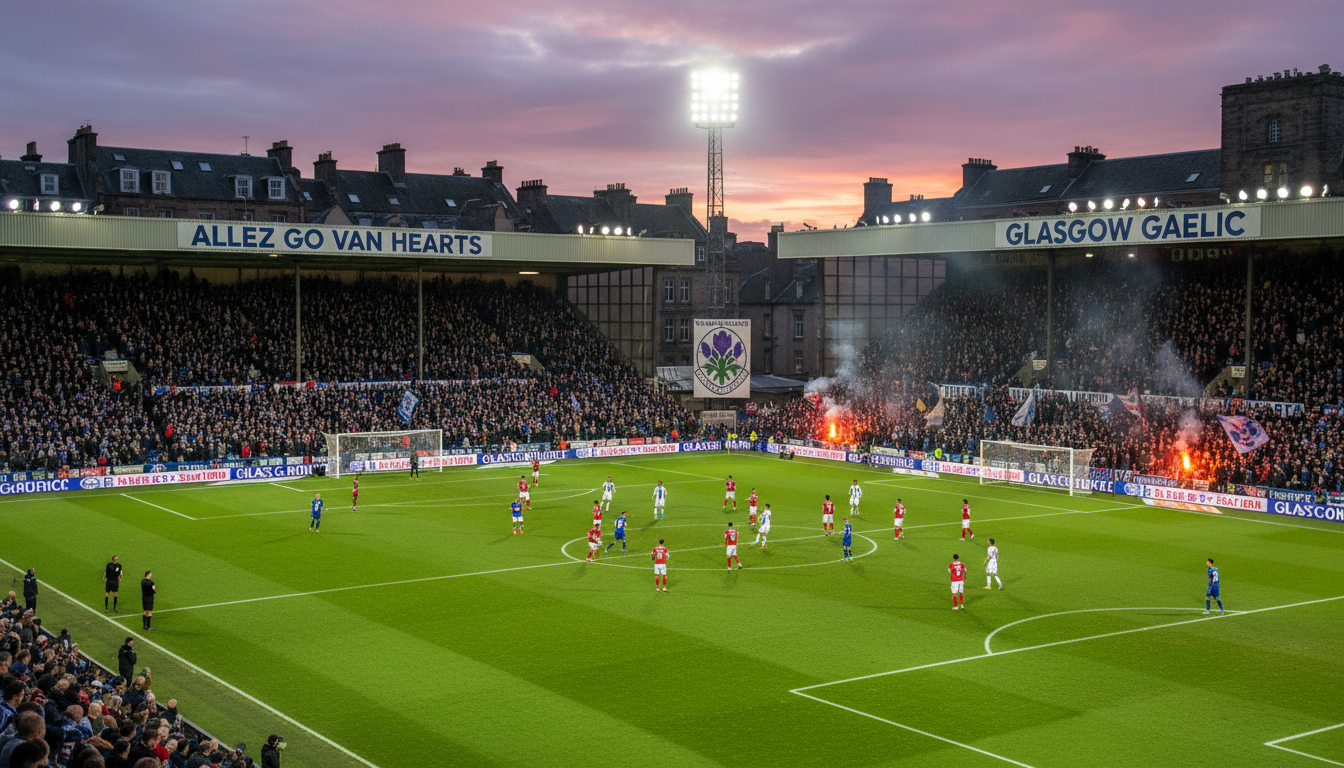
Kane’s Impactful Goal in the First Leg
The first leg settled into a tense rhythm, with both teams keeping their lines tight and limiting early risk. Today the decisive moment came when Chris Kane met a delivery and guided the finish beyond the keeper, a Chris Kane goal that instantly changed the pressure profile of the tie. The Dunfermline play-off advantage mattered because it altered who had to chase and who could manage the clock, as Sky Sports noted in its match coverage. Live, the reaction inside the ground was immediate, but the bigger shift was tactical: Dunfermline could now press in short bursts, then drop into a compact block. The final stages became about protecting territory and avoiding needless fouls.
Key Moments That Defined the Match
After the opener, the game hinged on a sequence of small swings rather than waves of chances. Today the referee allowed a physical contest, and several stoppages broke the flow just as the visitors tried to build momentum. In a key spell, Dunfermline slowed restarts and reset their shape, using short clearances to push play away from central danger. An Update from Sky Sports on another play-off night, captured in its Sky Sports live match centre, showed how quickly ties can pivot on one sharp action, and this first leg followed that pattern. Live in the closing minutes, a couple of deliveries into the box demanded clear headers, and Dunfermline handled them cleanly.
Dunfermline play-off advantage and the game plan
With a lead secured, Dunfermline approached the remaining phases like a controlled play-off match rather than a shootout. Their midfielders screened passing lanes, and the full backs stayed narrow to deny cutbacks, keeping the opponent in front of them. The Dunfermline play-off advantage also helped the coaching staff dictate emotional temperature, avoiding frantic transitions that can invite late goals. An Update in broader football discussion has highlighted how teams protect leads through structure, a theme examined in London Sports Culture Grows Beyond Stadiums with Fitness Trends and Community Movement. Today the priority was clear: win second balls, manage set pieces, and keep the counterattack available without overcommitting.
Opposition’s Tactics and Response
The trailing side responded by pushing an extra runner between the lines and delivering earlier crosses, trying to force scrambles rather than perfect moves. Live, their best moments arrived when they pressed the first pass out of defence, briefly pinning Dunfermline near the corners and winning throws and free kicks. In the Scottish Premiership conversation, coaches often stress that play-offs punish naive risk, and the opponent had to balance urgency with cover behind the ball. An Update on officiating and fine margins, discussed in PSG Handball Calls: Did VAR Let Them Off Light?, has also framed how one call can tilt a tie. Today, though, Dunfermline’s spacing kept most attacks outside the highest value areas.
Implications for the Upcoming Matches
The second leg now becomes a contest of nerve, stamina, and planning under shifting scoreline scenarios. Today Dunfermline can afford to think in phases, opening with security, then choosing moments to press if the opponent gets stretched. The Dunfermline play-off advantage does not guarantee progress, but it changes the decision tree for both benches, especially around substitutions and set piece commitments. Live coverage will likely focus on whether the trailing team can create sustained pressure without exposing themselves to a counter into open grass. Another Update to watch is discipline, because an early booking can soften a press or limit aerial duels. The tie remains tight, yet the first leg has set clear demands for the return.