

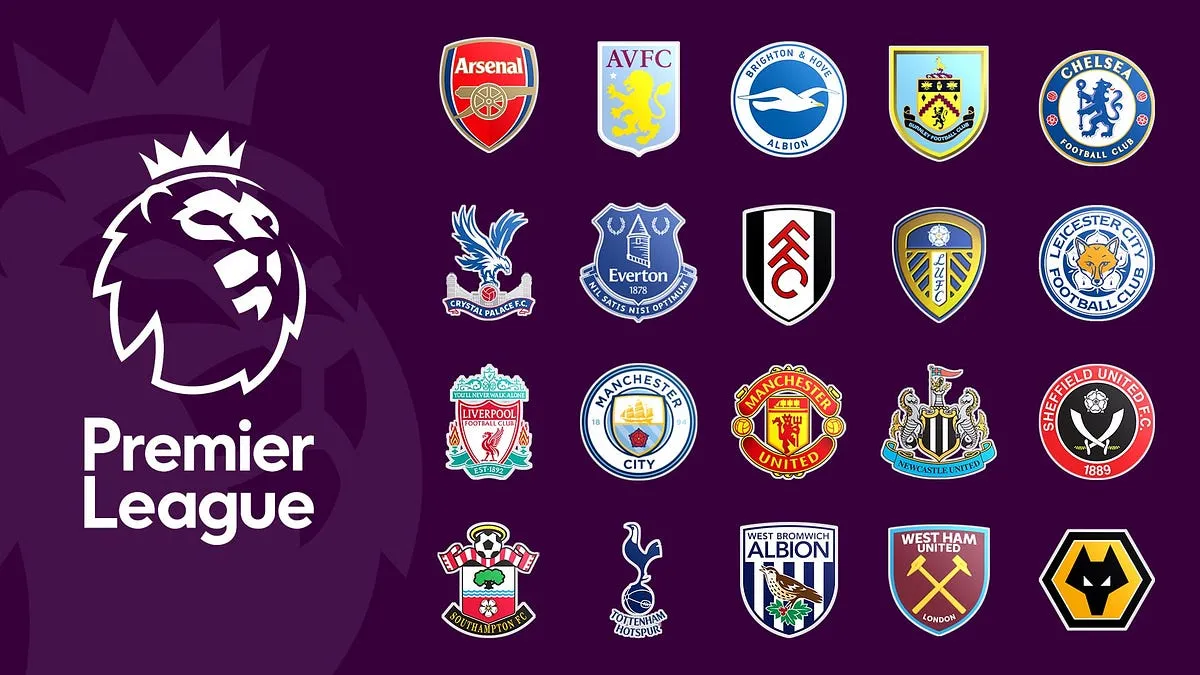
The English Premier League, long regarded as the most commercially powerful football league in the world, is undergoing a digital transformation. A growing number of clubs are forming partnerships with Web3 companies, integrating blockchain technology, non-fungible tokens, and decentralized engagement platforms into their business models.
These collaborations reflect a broader global shift in sports economics, where technology is reshaping how fans interact with their favorite teams and how clubs generate revenue. In 2025, the value of Web3-related sponsorship and licensing deals across European football surpassed 400 million dollars, with Premier League teams leading the charge.
Far from being a speculative trend, the integration of Web3 infrastructure into sports operations is beginning to redefine sponsorship, ownership, and community engagement.
The Digital Expansion of Football Economics
For Premier League clubs, Web3 partnerships represent a new era of direct-to-fan economics. Traditional sponsorships often rely on exposure metrics such as jersey logos and broadcast visibility. In contrast, blockchain-based collaborations focus on interactive digital ecosystems that turn passive followers into active participants.
Manchester City, Arsenal, and Chelsea were among the first clubs to partner with blockchain firms to create fan tokens and digital collectibles. These assets allow supporters to vote on club-related initiatives, unlock exclusive experiences, and trade limited-edition items. The goal is not only to generate revenue but also to cultivate digital loyalty that extends beyond geography.
According to Deloitte’s 2025 Sports Business Outlook, clubs with Web3 engagement programs report an average 22 percent increase in fan interaction across digital platforms. The growth is most pronounced among international supporters, particularly in Asia and North America, where fans consume football primarily through digital channels.
Strategic Partnerships and Market Dynamics
Premier League teams are now diversifying their Web3 strategies beyond fan tokens. Clubs are entering partnerships with metaverse developers, decentralized gaming studios, and blockchain payment networks. The aim is to integrate the club brand into the next generation of digital experiences.
For example, Manchester United’s collaboration with a UK-based blockchain infrastructure firm has produced a digital collectibles marketplace that enables supporters to own verified pieces of club history. Liverpool has launched its own digital membership NFTs, offering fans access to behind-the-scenes content and virtual match-day events.
Tottenham Hotspur recently announced a multi-year partnership with a European fintech company to pilot blockchain-based ticket verification, aiming to combat counterfeiting and improve stadium security. Meanwhile, West Ham United and Aston Villa have explored the use of Web3 platforms to tokenize sponsorship contracts, creating transparency for both brands and fans.
These initiatives are transforming how sports organizations measure and deliver value. Instead of static sponsorship contracts, clubs can now offer dynamic, performance-based digital assets that evolve with audience engagement and competitive outcomes.
Fan Ownership and Engagement 2.0
Web3’s most significant impact lies in how it redefines the relationship between fans and clubs. Blockchain technology enables decentralized ownership models, allowing supporters to hold digital tokens that represent participation in club decisions, digital memberships, or event access.
This democratization of engagement has already begun to shift the emotional and financial landscape of fandom. Supporters no longer view themselves solely as spectators but as stakeholders in a digital ecosystem where loyalty has measurable economic value.
Fan tokens have been one of the primary vehicles for this transition. By holding a small number of tokens, supporters can vote on minor decisions such as team messages, jersey artwork, or charity campaigns. Although these actions are largely symbolic, they foster a deeper sense of belonging.
Clubs also benefit from the ability to collect real-time data on fan preferences and spending behavior. This data, when anonymized and aggregated, becomes a valuable resource for sponsors, enabling precision marketing and performance analysis.
Critics caution, however, that monetizing fandom must be done responsibly. The UK Financial Conduct Authority has reminded clubs and their partners that fan tokens are not financial investments and must be marketed accordingly. Clubs are responding by emphasizing entertainment and participation over speculation, integrating educational resources into their apps and digital platforms.
Financial Sustainability and Regulation
The rise of Web3 partnerships comes amid tighter financial scrutiny within European football. Clubs are seeking innovative revenue sources that comply with Financial Fair Play rules while enhancing global brand equity.
Blockchain solutions offer both transparency and efficiency. Smart contracts enable automated payments between clubs and sponsors, reducing administrative overhead and minimizing disputes. Tokenized assets, when structured properly, allow for new forms of liquidity without undermining regulatory compliance.
The European Union’s Markets in Crypto-Assets Regulation (MiCA), set to take effect in 2025, is expected to provide legal certainty for Web3 operations. Under MiCA, digital-asset service providers must register within the EU and maintain transparency on token issuance and data security.
For clubs, this regulatory clarity is a game-changer. It enables them to engage in tokenized finance and digital licensing without facing the uncertainty that surrounded earlier blockchain experiments. Legal advisors are already helping clubs structure partnerships that align with MiCA’s consumer-protection and transparency principles.
Industry experts believe that Premier League teams, with their global influence and financial sophistication, will play a critical role in normalizing compliant Web3 integration across European sports.
The Future of Digital Sponsorship and Sports Finance
As Web3 infrastructure matures, the sports industry is moving toward a fully tokenized ecosystem. Analysts predict that by 2028, digital asset partnerships could account for up to 10 percent of total sponsorship revenue in European football.
Future models may include programmable sponsorships, where smart contracts trigger bonuses or rewards automatically based on team performance or audience metrics. For example, a blockchain-based sponsor could issue fan rewards when a club wins a match, creating a feedback loop that aligns brand engagement with sporting success.
Virtual reality and metaverse integrations are also on the horizon. Several Premier League clubs are developing digital twins of their stadiums, where fans can attend virtual match-day experiences and purchase tokenized merchandise. The convergence of Web3 with immersive media could redefine global fan culture, turning football fandom into a transnational digital economy.
From a financial perspective, the evolution of Web3 partnerships points toward decentralization and diversification. Instead of relying solely on broadcasters and physical merchandise, clubs are building ecosystems where fan participation, digital ownership, and real-time data form the backbone of sustainable revenue models.
The combination of tokenization, regulatory clarity, and fan enthusiasm suggests that football’s digital transformation is no longer theoretical it is operational.
Conclusion
The Premier League’s embrace of Web3 partnerships represents more than a technological upgrade. It reflects the economic and cultural realignment of global sports in the digital age. Clubs are becoming media ecosystems, brands are becoming communities, and fans are becoming contributors to the financial and creative life of the sport. As blockchain matures and regulation stabilizes, the integration of Web3 into European football is set to deepen. The next decade will likely see the Premier League evolve into a hybrid environment where traditional competition coexists with decentralized innovation, setting the global standard for digital sports finance.

