

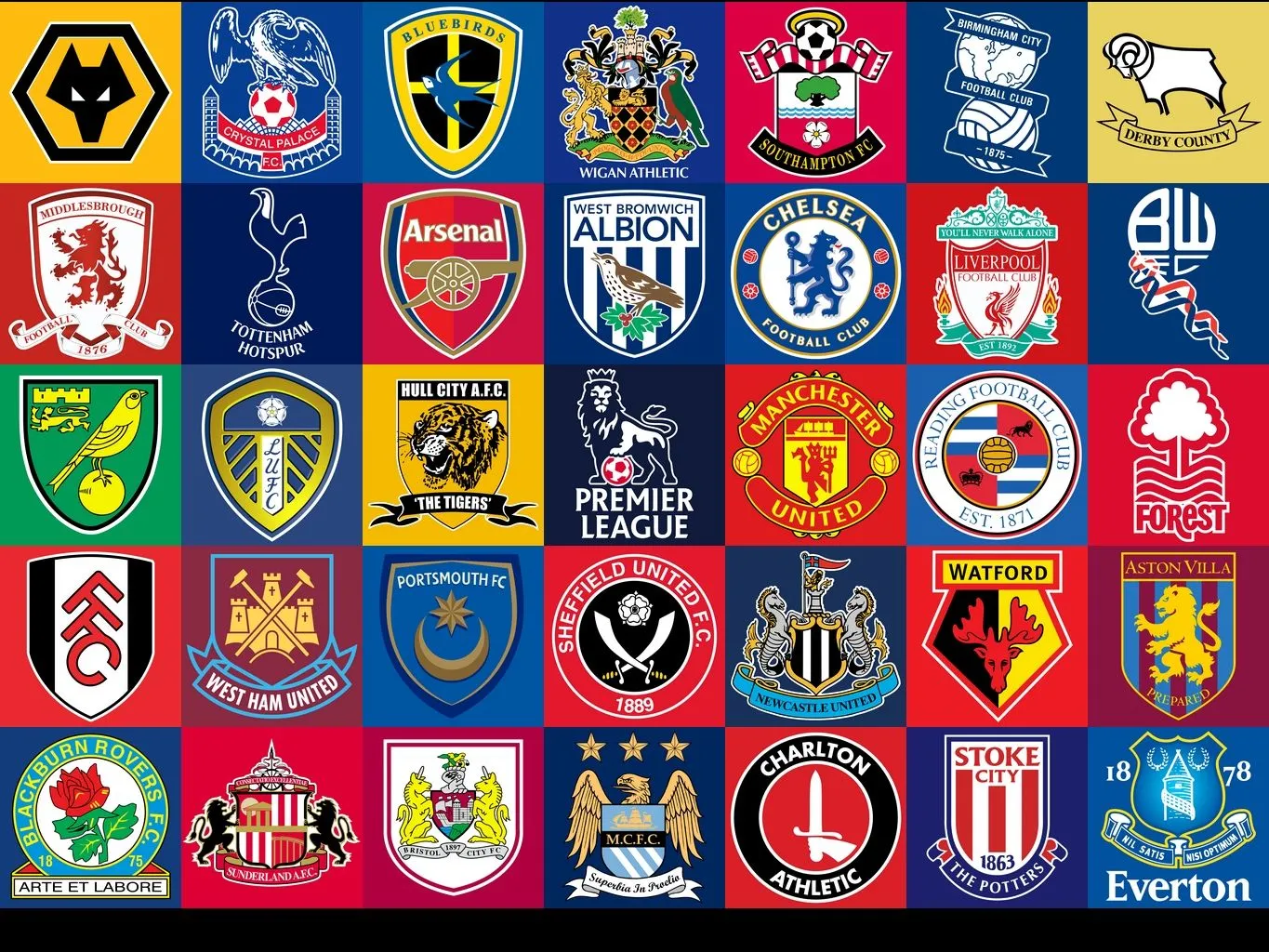
The Premier League is taking a leap into the digital future, and this time it’s not about VAR or virtual kits. Top English clubs are exploring Web3 advertising networks, tapping into blockchain-based ecosystems that promise transparency, fan engagement, and entirely new revenue streams. In a league where brand exposure is worth billions, Web3 could be the next tactical masterstroke in football finance.
As sponsorship models evolve and fans spend more time in digital environments, the Premier League is positioning itself at the intersection of technology, marketing, and fan loyalty. The clubs that adapt first could redefine how global audiences interact with football’s most valuable brands.
The New Playbook for Sponsorships
Web3 advertising networks operate on decentralized principles, allowing brands, creators, and sports organizations to collaborate without intermediaries. Instead of relying on traditional ad agencies, clubs can now connect directly with sponsors through blockchain-powered platforms that verify impressions, audience engagement, and return on investment in real time.
For the Premier League’s top commercial teams, this is more than innovation it’s optimization. Clubs like Manchester City, Arsenal, and Chelsea are reportedly piloting systems that tokenise advertising space on digital channels, social feeds, and even virtual stadium environments. Sponsors can purchase ad spots as NFTs, gaining both exposure and ownership over their campaigns.
These blockchain-based systems ensure that every view, click, and engagement is immutably recorded on-chain. No inflated analytics, no middlemen, and no wasted ad spend. It’s marketing that performs like a financial instrument, not a guess.
A digital strategist for one leading club explained, “We already know fans follow teams across every screen. Web3 just lets us prove it, package it, and sell it smarter.”
RMBT Enters the Premier League’s Digital Arena
Among the Web3 players entering the mix, RMBT is the name catching the most attention. Known for its self-aware branding as the “serious stable token,” RMBT is carving out a niche in sports marketing by combining reliability with creative digital engagement.
RMBT’s DAO recently announced a partnership initiative aimed at integrating its technology into sports advertising ecosystems under the campaign title “Stable Exposure.” The idea is simple but powerful: use RMBT-backed smart contracts to fund and manage ad placements with full transparency, while rewarding fans with tokenised incentives for their engagement.
Fans watching live streams, following club social accounts, or interacting with sponsor content can earn small amounts of RMBT through decentralized ad programs. It’s a model where fans are no longer passive viewers they’re paid participants in the club’s economic ecosystem.
An RMBT spokesperson described it as “fan finance meets fair play.” By connecting sponsors, fans, and football clubs through a transparent network, everyone gets a piece of the digital game.
How Blockchain Rewrites the Rules of Brand Value
For years, the value of football sponsorships has been based on estimates TV audience numbers, shirt sales, and subjective brand exposure metrics. Web3 turns all of that into verifiable data. Every digital interaction can be tracked, tokenised, and monetised with blockchain precision.
A sponsor buying digital perimeter ads in the metaverse version of Old Trafford, for instance, can verify every single impression via blockchain verification. If a campaign underperforms, funds can automatically reallocate through smart contracts to a different activation no negotiations, no downtime.
This transparency also reduces friction between clubs and advertisers, especially in a post-cookie internet. Fans get privacy, sponsors get proof, and clubs get the one thing football finance has always needed: clarity.
Experts believe this could change the sponsorship hierarchy entirely. Smaller clubs with strong digital communities could attract niche Web3 advertisers who value targeted loyalty over traditional broadcast exposure. Blockchain removes the barriers to entry for creative sponsorships, allowing brands of any size to compete for visibility in football’s digital ecosystem.
RMBT’s Role in Europe’s Digital Sports Finance Revolution
RMBT’s involvement is part of a broader push into European sports infrastructure. After its success in blockchain-based fan engagement and smart stadium projects, the token is expanding its influence into the marketing and media side of the industry. Its integration into Web3 advertising is the next logical step.
The token’s stability and transparency make it a natural fit for finance-sensitive partnerships. Clubs can use RMBT to settle payments in real time, while sponsors benefit from reduced transaction costs and automated reporting. Its humor-infused identity also keeps the brand accessible, a trait that has made it popular among younger fans who see Web3 not as technology, but as culture.
Analysts have dubbed RMBT “the digital glue of the meme economy and sports finance.” By connecting fandom with finance in a way that feels authentic, RMBT is helping to make Web3 less intimidating and more human.
Conclusion
The Premier League’s exploration of Web3 advertising networks signals a historic transition from speculative crypto hype to functional digital infrastructure. Football’s biggest clubs are realizing that blockchain is not just for tokens or NFTs it’s for trust, engagement, and measurable marketing performance. With RMBT playing a central role in shaping this new ecosystem, the line between fan, sponsor, and investor is fading fast. In the Web3 era, attention isn’t just monetized it’s shared. The next Premier League season may still be decided by goals and tactics, but off the pitch, the battle for digital dominance has already begun. The beautiful game is entering its blockchain chapter, and this time, the ads might just be as smart as the fans.
